
Vandaag of morgen in huis

Kwaliteit gegarandeerd

Welkomstaanbiedingen ontgrendelen: GRATIS bezorging | Tot 80% korting | Gratis 30 dagen JoyPlus-proefperiode
Download de app
A pair of wireless headphones may seem easy to compare on paper. However, differences in comfort, battery life and connectivity may only become apparent after a few weeks. For example, a long playback time does not always indicate how long the headphones will last with noise cancelling switched on. A model that feels comfortable at a desk may also be less suitable for cycling or exercise.
So watch out for these three common pitfalls:
For everyday use, headphones with long battery life are practical. Do not only look at the maximum number of hours, but also at the conditions under which this was measured. For example, the Soundcore Space One Pro states up to 60 hours without active noise cancelling and up to 40 hours with ANC. According to the product specification, 5 minutes of charging provides up to 8 hours of playback.
A short charging time can also be important if you are often on the move. The Sony WH-CH520 states 1.5 hours of use after 3 minutes of charging. The Sonos Ace is listed in the product information as providing up to 3 hours of playback after 3 minutes of charging. When buying, always check the included cable, the charging port and whether an adapter is included.
Over-ear headphones surround the ear, making them suitable for travelling, working from home and long listening sessions. The trade-off is usually a higher weight. According to the product specifications, the Sony WH-1000XM5 weighs 250 grams, while the Sonos Ace weighs 312 grams.
On-ear headphones rest on the ear and are often more compact. The Sony WH-CH520 weighs 147 grams and has an adjustable headband. This type can be useful for commuting, but check whether the pressure on your ears is comfortable for you.
A standard Bluetooth headset is not automatically suitable for exercise. Look for an explicit IP rating. According to the product details, the Soundcore AeroFit Pro has an IPX5 rating. The AeroFit 2 states IP55, indicating protection against dust and water jets within the limits of that rating. Neither model should be submerged; always follow the manufacturer's instructions.
Bluetooth 5.2, 5.3 or 5.4 indicates the connection technology used, but on its own does not show how well each device will work with another. Also check for multipoint support, particularly if you want to use your headphones for music and calls with both a smartphone and a laptop.
The available codecs determine which audio capabilities your devices can use. According to the product specification, the Sony WH-1000XM5 supports AAC, LDAC and SBC. The Sonos Ace lists AAC, aptX Lossless, LC3 and SBC among its supported codecs. For everyday listening, compatibility is more important than simply having a long codec list: your phone, laptop and streaming service must support the relevant standard.
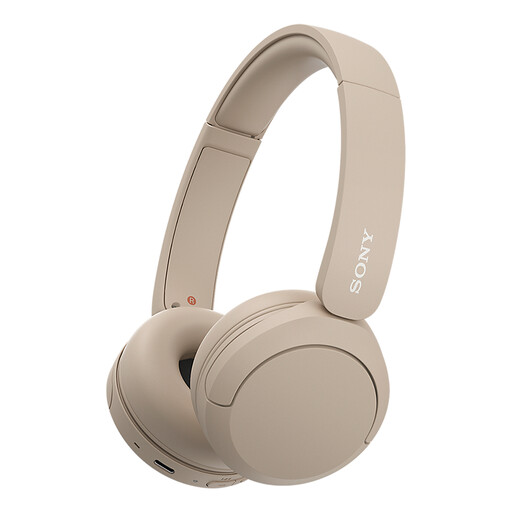
Why it suits this profile: Lightweight on-ear headphones for music, calls and everyday use, with multipoint for a phone and laptop.
The product specification states a weight of 147 grams, USB-C and a microphone. Please note: this model is not water-resistant.
147 grams, multipoint connectivity and, according to the product information, up to 50 hours of battery life.
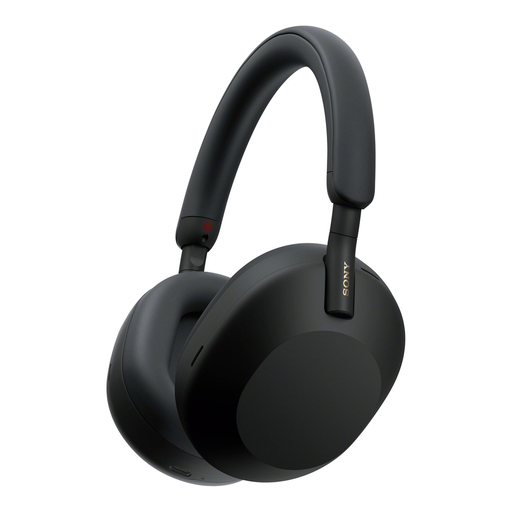
Why it suits this profile: An over-ear model for travelling, music and focused work, with active noise cancelling and multipoint.
Battery life is stated separately for ANC on and off: 30 and 40 hours. This makes the battery claim easier to assess.
Over-ear fit, active noise cancelling, LDAC support and, according to the product information, 5 hours of playback after 10 minutes of charging.
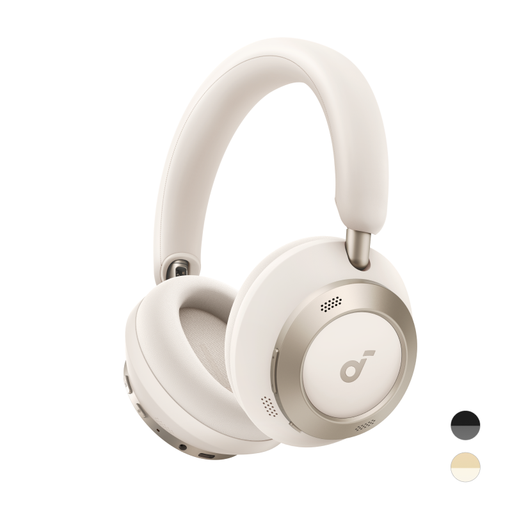
Why it suits this profile: For travellers and everyday users looking for a foldable design, long battery life and quick charging.
The specification distinguishes between 60 hours without ANC and 40 hours with ANC. The foldable design makes transport easier, but check the fit beforehand.
LDAC, foldable design, active noise cancelling and, according to the product details, 8 hours of playback after 5 minutes of charging.
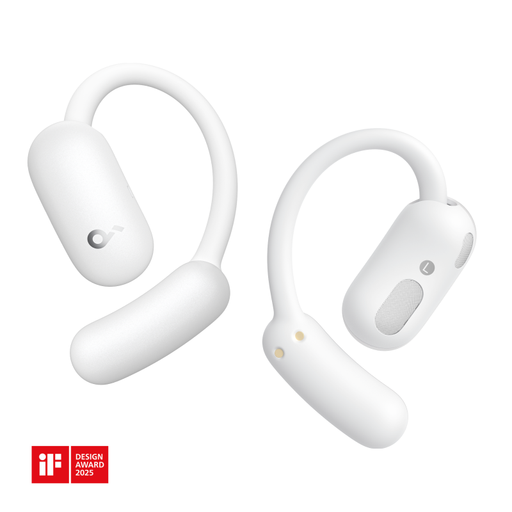
Why it suits this profile: Open-ear sports headphones for calls, music and everyday use, with a low weight of 85 grams.
The IP55 rating is explicitly stated. This is more useful than simply calling it a ‘sports model’, but it does not make the product suitable for submersion.
Open-ear design, Bluetooth 5.4, two microphones, charging station and IP55 according to the product specifications.
We have compiled a complete, up-to-date list of products that fully meet these strict selection criteria and the applicable European safety regulations.
First charge the headphones, switch on Bluetooth on your phone and open the connection settings. Put the headphones into pairing mode and select the correct model. When connecting for the first time, the manufacturer's app may offer additional settings. Then check that music and phone calls are being routed through the headphones.
Battery life per charge varies depending on the model and settings. Battery capacity also gradually decreases with use. Store the headphones in a dry place, avoid extreme heat and use a suitable USB-C cable or charging source. Do not replace a built-in battery yourself; follow the manufacturer's safety instructions.
Headphones with noise cancelling reduce ambient noise, but may limit your awareness of traffic and other road users. Do not wear headphones while cycling when you need to hear sounds from your surroundings clearly, and follow the Dutch traffic regulations.
