
Vandaag of morgen in huis

Kwaliteit gegarandeerd

Welkomstaanbiedingen ontgrendelen: GRATIS bezorging | Tot 80% korting | Gratis 30 dagen JoyPlus-proefperiode
Download de app
A wireless headset may seem simple to choose at first glance. However, models vary considerably in comfort, connectivity, battery life and microphone quality. A Bluetooth headset for train journeys has different requirements from wireless earbuds for sport or a wireless gaming headset for long sessions.
Pay particular attention to three common pitfalls:
In-ear headphones or a set of true wireless earbuds are compact and easy to take with you. However, the fit depends heavily on the ear tips supplied. The wrong size can lead to a poorer seal, an unstable fit and a less enjoyable listening experience.
Over-ear headphones cover the entire ear. This can be comfortable when travelling, working from home or listening for long periods, but the model takes up more space and may feel warmer. Check the weight, the shape of the ear cushions and whether the headband is adjustable.
For calls, headphones with a microphone are not automatically suitable for noisy environments. Look at the number of microphones, their positioning and any noise reduction for calls. According to product information from certain brands, multiple microphones can help reduce background noise; this still depends on the surroundings, the connection and the software being used.
Do not compare only the highest figure on the product page. Check whether the stated playback time applies with ANC on, without ANC, via Bluetooth or through a gaming dongle.
Examples from the range:
Headphones with long battery life are particularly practical if you travel frequently or do not want to charge them every day. With gaming models, battery life may be lower when RGB lighting or a 2.4GHz connection is used.
ANC headphones use electronics to counteract certain surrounding noises. Passive isolation comes from the material and fit of the ear cushions or earbuds. ANC can be useful on the train, whereas when cycling or crossing the road, you need to be able to hear enough of your surroundings.
So check whether the model has a transparency mode or ambient mode. Do not use noise cancellation in situations where paying attention to traffic or other signals is important.
Also pay attention to brand claims. According to a brand’s own research or measurements, certain systems may, for example, reduce a specific number of decibels of noise. Treat such a figure as a product specification measured under particular conditions, not as a fixed experience for every user.
Bluetooth 5.2, 5.3 or 5.4 can contribute to a modern wireless connection, but also check:
A standard Bluetooth headset is suitable for music, podcasts and calls. For competitive gaming, a 2.4GHz connection may be more practical because of its lower latency. Always check whether the wireless mode is actually supported by consoles. For example, the ONIKUMA GT806 product information states that Bluetooth does not work directly with PS4, PS5 or PC without a suitable Bluetooth adapter; 2.4GHz mode is recommended for these devices.
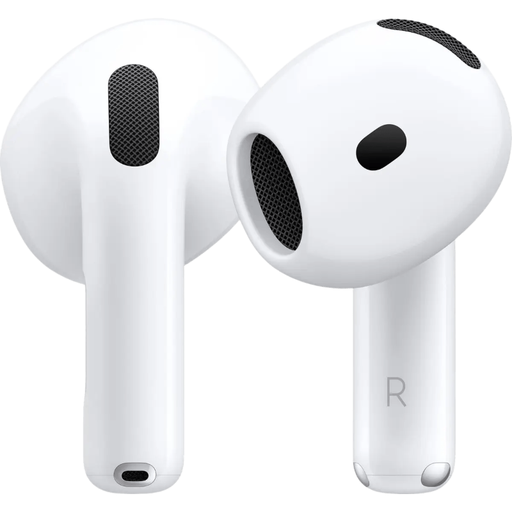
Why it suits this profile: A compact choice for everyday use, music and calls, with Bluetooth 5.3 and a USB-C charging case.
The product information does not mention active noise cancellation. This means you are not paying for a feature you may not need.
Bluetooth 5.3, up to 30 hours of total battery life according to the product information, and voice control.

Why it suits this profile: Over-ear headphones for travelling, working from home and extended listening, with multipoint for two devices.
The stated battery life is split between use with and without ANC. This allows you to make a more realistic comparison.
Up to 30 hours with ANC, up to 40 hours without ANC, Bluetooth 5.2 and simultaneous pairing with two devices.
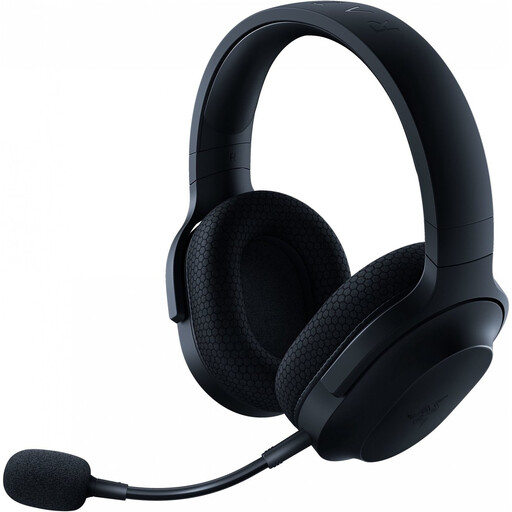
Why it suits this profile: Designed for gamers who want to switch between 2.4GHz, Bluetooth and a wired connection, for example on PC, console and smartphone.
The connection options are listed separately and clearly. This means you can see in advance which connection is suitable for your device.
Up to 50 hours of battery life, 40mm drivers, detachable microphone and USB-C dongle according to the product specifications.
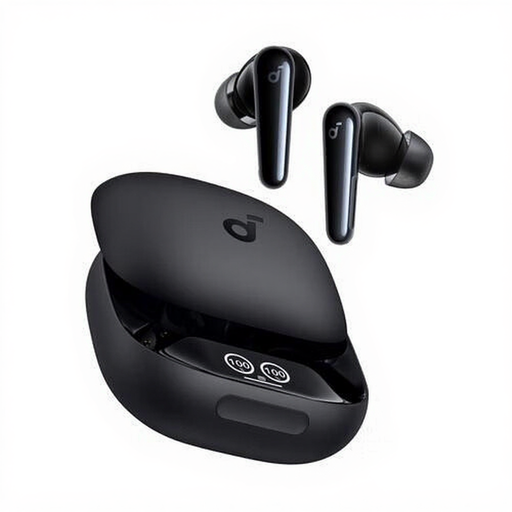
Why it suits this profile: Compact true wireless earbuds for calls, music, sport and everyday use.
The IPX5 rating and additional ear tips included make it easier to consider the fit and intended use in advance.
TWS, USB-C charging case, touch controls, six microphones and up to 10 hours of continuous playback according to the product information.
We have put together a complete, up-to-date list of products that fully meet these strict selection criteria and the applicable European safety regulations.
First, charge the headphones and activate Bluetooth settings on your smartphone. For earbuds, open the charging case and hold down the pairing button if the model requires it. Then select the product name from the Bluetooth list. Some brands offer additional settings through an app.
Battery life per charge ranges from a few hours for wireless earbuds to dozens of hours for over-ear models. The lifespan of the built-in battery depends on charging habits, temperature and usage. Keep headphones dry, avoid extreme heat and use a suitable USB-C charging cable. A battery that is visibly swelling or leaking should no longer be used.
Power consumption is generally limited while listening. Most of the energy is used to charge the built-in battery. A charging case, ANC, 2.4GHz dongle and RGB lighting can mean that you need to charge more often. So compare battery life in the mode you actually use.
