
Vandaag of morgen in huis

Kwaliteit gegarandeerd

Welkomstaanbiedingen ontgrendelen: GRATIS bezorging | Tot 80% korting | Gratis 30 dagen JoyPlus-proefperiode
Download de app
Wireless earbuds are useful for commuting, working in the office, studying, making phone calls and exercising. However, it is not wise to focus only on the Bluetooth version, battery life or a striking product claim. A model that feels comfortable on a train journey may not be suitable for running or swimming.
As a Joybuy Product Recommendation Officer, I filter the most important specifications based on the available product information. This helps you see which features are relevant and which marketing claims you should check before buying.
The term waterproof is used broadly in product titles. Therefore, check the IP rating and the permitted use:
When swimming, also check whether the product has internal MP3 storage or a swimming mode. Bluetooth does not work underwater in the same way as it does in the air. As a result, headphones with Bluetooth only may be less practical while swimming.
Manufacturers sometimes state the battery life of the earbuds and charging case combined. This is not the same as the playtime per charge. Look out for the difference between:
For example, the MINISO MS106 states up to 55 hours of total battery life, while the HTC NE40 states around 3.5 hours per charge and up to 24 hours with the case. These figures are therefore not directly comparable.
Noise-cancelling earbuds can reduce background noise, but their performance varies depending on the design and surroundings. Active noise cancellation is mainly intended for continuous sounds, such as a train engine or air conditioning. Voices and sudden noises may still be audible.
For phone calls, the number of microphones is a useful specification, but it is no guarantee of perfect call quality. According to the product description, the MINISO MS106 has six microphones and AI noise cancellation for calls. This is a verifiable product specification; actual speech clarity may vary depending on your phone, surroundings and network.
In-ear earbuds partially seal the ear canal and can therefore block out more background noise. Multiple sizes of silicone ear tips can help you achieve a better fit. The Sony WF-C510 comes with three sizes of ear tips.
An ear-hook or clip-on design can provide extra stability during exercise. According to the product information, the TALIX G1 uses a silicone ear hook and weighs 5.2 grams per earbud.
Open-ear earbuds and bone-conduction headphones leave your ears uncovered. This can be practical when cycling, running or walking, as you can remain more aware of your surroundings. However, this does not mean you will always hear traffic noise clearly: adjust the volume and do not use audio in situations where full attention is required.
A water-resistance rating does not automatically apply to the charging case. With many models, the earbuds and magnetic charging contacts must be completely dry before you start charging. Rinse models that come into contact with swimming-pool or seawater with clean water if the product information instructs you to do so.
Bluetooth 5.3 or 6.0 can provide a modern connection, but range and stability also depend on your smartphone and surroundings. A range of 10 metres is a commonly stated product specification under ideal conditions.
Multipoint is useful if, for example, you use a laptop and smartphone at the same time. Also check whether the earbuds are compatible with iOS, Android or both. For the office and online meetings, a built-in microphone and physical or touch controls are practical features to consider.
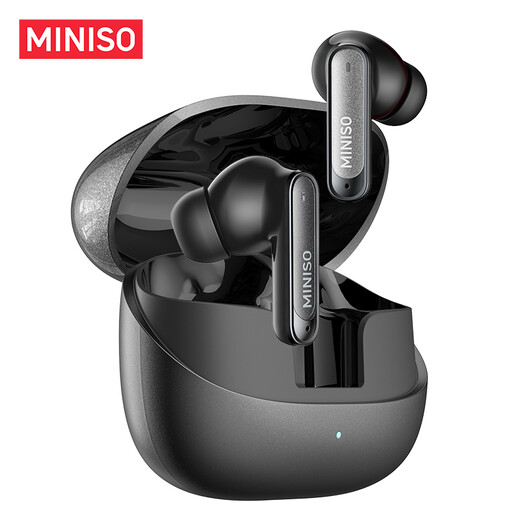
Why it suits this profile: This model combines features for everyday use, studying, the office and exercise with a stated total battery life of 55 hours.
The product specifications list the IPX5 rating and total battery life separately, so you can distinguish between these features.
Bluetooth 6.0, six microphones according to the product description, IPX5 and a stated total battery life of 55 hours.
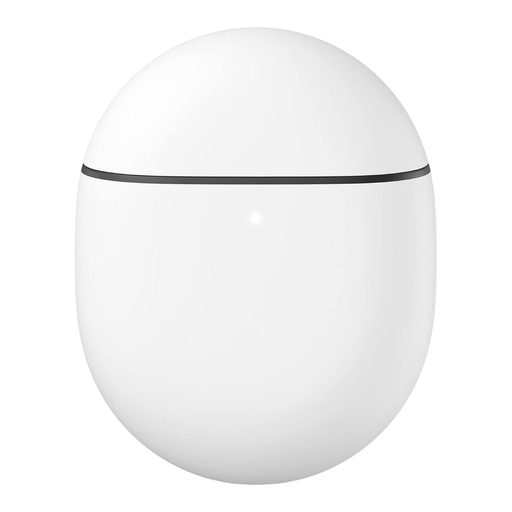
Why it suits this profile: For users who value active noise cancellation, transparency mode, multipoint and wireless charging.
The product information mentions both noise cancellation and a mode that allows ambient sound through. The IPX4 rating makes it clear that this is protection against splashes.
Active noise cancellation, transparency mode, multipoint, three sizes of ear tips and wireless charging.
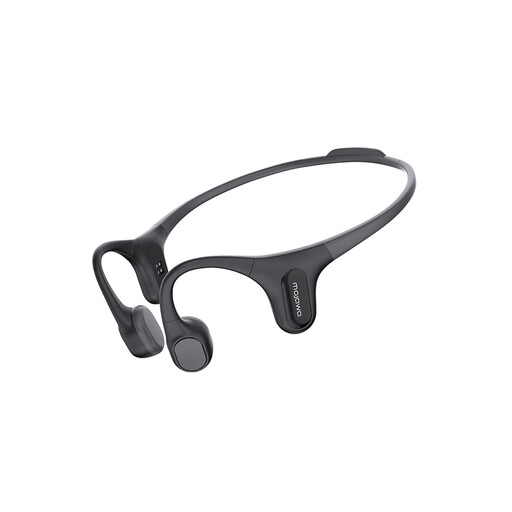
Why it suits this profile: The open-ear bone-conduction design and internal storage are aimed at running, cycling, fitness and swimming.
The stated 32GB MP3 storage allows you to listen without an active Bluetooth connection. The product information mentions IP68 for use while swimming.
Open-ear design, 32GB internal MP3 storage, Bluetooth and a stated IP68 rating.
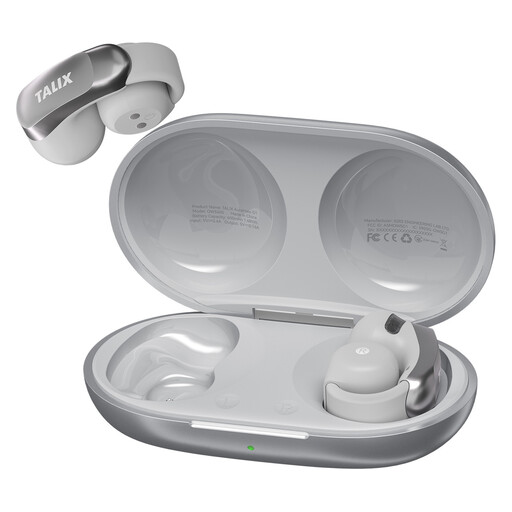
Why it suits this profile: The clip-on fit, four microphones and Bluetooth 5.3 are well suited to calls, online meetings and light workouts.
The IPX4 rating makes it clear that this model is designed for sweat and light rain, not immersion.
4-microphone setup, up to 7 hours per charge, 28 hours with the case and fast charging that, according to the product information, provides 2 hours of playtime after 10 minutes.
We have put together a complete, up-to-date list of products that fully meet these strict selection criteria and the applicable European safety regulations.
First, charge the earbuds, open your smartphone’s Bluetooth settings and select the model name. After an initial pairing, most models will reconnect automatically. If this does not work, remove the old Bluetooth pairing and follow the reset instructions in the manual.
Usage time per charge varies depending on the model and settings. Noise cancellation, high volume and frequent phone calls can drain the battery more quickly. The product’s overall lifespan also depends on charging cycles, moisture, heat and proper care. Keep the earbuds dry and do not charge them while the contacts are still wet.
That depends on the fit and your surroundings. Ear hooks and open-ear models can remain stable during movement and allow more ambient sound through. Keep the volume at a moderate level and do not wear earbuds when you need to give your full attention to traffic or other hazards. For swimming, you need a model whose product information explicitly supports this use.
