
Vandaag of morgen in huis

Kwaliteit gegarandeerd

Welkomstaanbiedingen ontgrendelen: GRATIS bezorging | Tot 80% korting | Gratis 30 dagen JoyPlus-proefperiode
Download de app
Wireless earbuds are ideal for music, podcasts, films and hands-free calls. However, a long list of features does not automatically mean that a model suits the way you use it. A set with powerful noise cancellation, for example, may feel uncomfortable, while a budget model with an impressive battery-life claim may, in practice, rely mainly on the capacity of its charging case.
As a Joybuy Product Recommendation Officer, I filter the most important product specifications according to different usage scenarios. This helps you avoid paying purely for marketing terminology.
Manufacturers often state the total battery life, including the charging case. This is not the same as the playback time from a single charge. Check both figures:
For example, the Apple AirPods 4 with active noise cancellation offer up to 5 hours of music on a single charge and more than 30 hours with the charging case. According to the product description, the JBL Wave Buds 2 offer up to 40 hours in total, although this figure depends on the settings selected. Playback time is generally lower when ANC is enabled.
Active noise cancellation, also known as ANC, uses microphones and electronic processing to reduce surrounding noise. Its performance varies depending on the model, fit and environment. Low, constant sounds such as train or aircraft noise may be experienced differently from voices or sudden sounds.
Also look for a transparency mode or ambient mode. This allows surrounding sounds through without you having to remove your earbuds. It is practical in the office or while out walking, but an open-ear design remains more suitable when you need to stay constantly alert. No model replaces attentiveness in traffic.
An IP rating consists of numbers and letters that indicate what a product is protected against. IPX5, for example, means protection against water jets under the specified test conditions; it does not mean that you can submerge the earbuds. IP54 provides, among other things, protection against dust and splashing water. Always check the official product information before using sports earbuds in heavy rain or while swimming.
A charging case may also have a different rating from the earbuds. The case may therefore be more vulnerable than the earbuds themselves.
In-ear earbuds partially seal the ear canal. This can provide a secure fit and passive sound isolation. Different sizes of silicone ear tips are useful if you plan to listen for long periods. According to the product description, the Apple AirPods Pro 3 comes with five sizes of ear tips.
Open-ear earbuds sit outside the ear canal. They let in more surrounding sound and can be comfortable for walking, commuting or working in the office. The Soundcore AeroClip uses a clip-on design. Bear in mind that the sound experience and bass response may differ from those of closed in-ear models.
A bone-conduction headset delivers sound through a structure around the ear while leaving the ear canal open. For sports use, pay particular attention to the fit, weight, water resistance and whether music can be played without a phone. Features such as ‘swim mode’ or ‘noise reduction’ should be assessed based on the specific IP rating and usage instructions, rather than the product name alone.
Almost all wireless earbuds work via Bluetooth, but features may vary between devices. iPhone users often benefit from easy pairing within the Apple ecosystem. Android users should check whether an app, voice assistant or specific setting is required.
Look out for:
A higher Bluetooth version does not, by itself, guarantee better sound quality. The drivers, fit, codec support and software also play a role.
For regular calls, the number and positioning of microphones are relevant product specifications. According to the product information, the Soundcore Liberty 4 Pro has six built-in microphones. The Soundcore AeroClip lists four beamforming microphones and wind protection. These features can contribute to a useful calling experience, but the final quality also depends on wind, network conditions and the phone.
Also consider the weight, controls and how you store the earbuds. Touch controls can be convenient, but accidental touches are frustrating when exercising or adjusting a hat.
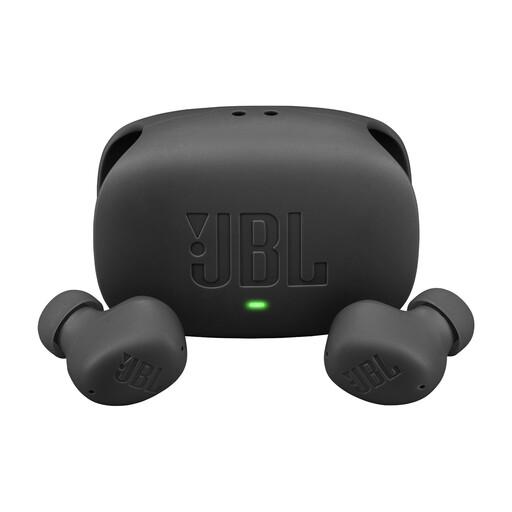
Why this suits the profile: A practical choice for everyday listening, calls and commuting, with ANC, multipoint and USB-C.
The product information distinguishes between playback time and total battery life, and lists IP54 for the earbuds.
ANC, Smart Ambient, multipoint and up to 8 hours of music according to the specifications; the total claim is up to 40 hours with the case and ANC switched off.
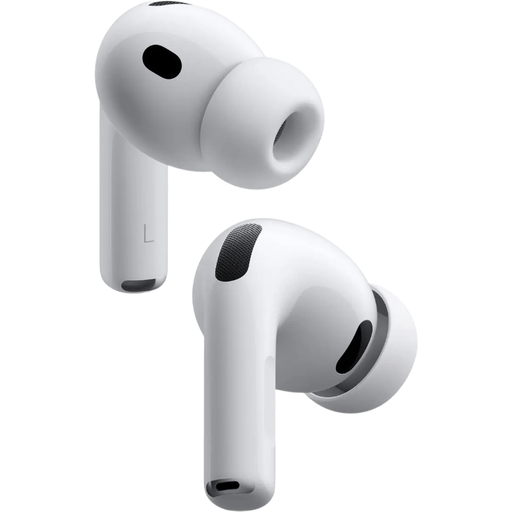
Why this suits the profile: Suitable for Apple users looking for a sealed fit, active noise cancellation and extensive controls.
Five sizes of silicone ear tips help you avoid relying blindly on a single standard fit.
ANC, USB-C and wireless charging; according to the product description, up to 8 hours with ANC and an IP57 rating.
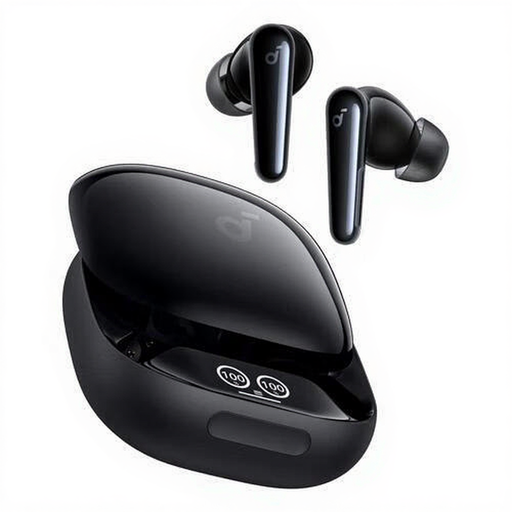
Why this suits the profile: Designed for calls, music and sport, with an in-ear fit and touch controls.
IPX5 is presented here as protection against splashes and water jets, not as protection for submersion.
Six microphones, USB-C, charging case, extra ear tips and up to 10 hours of continuous audio according to the product specifications.
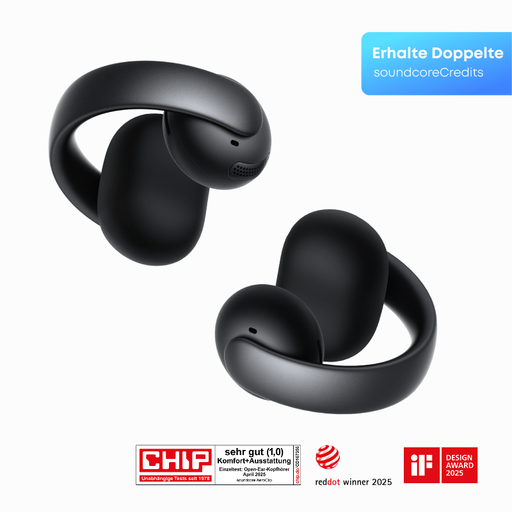
Why this suits the profile: The open-ear clip-on design leaves the ears unobstructed and is aimed at walking, everyday use and light exercise.
Choosing open-ear prevents you from focusing only on ANC when you actually want to stay connected to your surroundings.
Open-ear design, 12 x 12 mm titanium-coated driver and four beamforming microphones according to the product description.
We have put together a complete, up-to-date list of products that fully meet these strict selection criteria and the applicable European safety regulations.
Use this order when comparing wireless earbuds:
For everyday use, also pay attention to the volume. Long listening sessions at high volume can put strain on your hearing. Store the earbuds in their case, keep the charging contacts clean, and charge a built-in lithium-ion battery using suitable cables and adapters.
Bluetooth earbuds can usually be paired with both systems. However, extra features such as a dedicated app, automatic device switching or a particular voice assistant may depend on iOS or Android. Always check the compatibility information for the model you choose.
Playback time per charge varies by model and settings. ANC, volume, calls and other features affect battery life. The lifespan of the built-in battery depends on charging cycles, heat and usage. A charging case protects the earbuds and keeps them charged between uses, but it does not replace careful charging and storage.
That depends on the fit and IP rating. For fitness and running, sports earbuds with a secure fit and protection against sweat or splashing water are often more practical. Check whether the case itself is also protected against moisture. For cycling and running in busy traffic, an open-ear design can help you continue hearing surrounding sounds, but always remain alert.
