
Vandaag of morgen in huis

Kwaliteit gegarandeerd

Welkomstaanbiedingen ontgrendelen: GRATIS bezorging | Tot 80% korting | Gratis 30 dagen JoyPlus-proefperiode
Download de app
Wireless earbuds are useful for commuting, working from home, exercising and everyday listening. Yet many models look more alike on paper than they do in real-life use. A low price can be tempting, but an uncomfortable fit, limited battery life or unclear water resistance can make a purchase less suitable.
So don’t focus only on terms such as “AI”, “hi-fi” or “noise cancelling”. Pay particular attention to verifiable specifications and how you intend to use the earbuds.
A quoted battery life often applies to a specific setting. Noise cancelling, phone calls and high volume can reduce playback time. Check whether the manufacturer states the battery life per earbud, including the charging case or with ANC enabled.
A model offering, for example, 8 hours of playback per charge may be enough for a working day. For travelling or spending several days away from a power socket, earbuds with long battery life and a charging case are more practical.
An IPX4 rating is designed to protect against sweat and light rain. IPX5 offers greater protection against water jets, but does not automatically mean that you can submerge the earbuds. Check the complete IP rating before using them during an intense workout or in a swimming pool.
Also pay attention to the charging case. It may have a different protection rating from the earbuds. An IP rating is no substitute for proper care: dry the charging contacts before charging.
In-ear models seal the ear canal with silicone tips. This can help with sound isolation, but not every ear is the same shape. The wrong size can cause pressure, looseness or less enjoyable bass reproduction.
Open-ear earbuds and clip-on models leave the ear canal open. This can be comfortable when walking or cycling, but it also means that ambient noise remains more clearly audible. That matters around traffic and in other situations where you need to stay alert. Do not use headphones while driving or whenever you need your full attention on your surroundings.
Bluetooth 5.3, 5.4 or 6.0 indicates the connection standard being used, but the actual experience also depends on your phone, software and surroundings. For everyday use, reliable pairing, a range of around 10 metres in open conditions and multipoint functionality are often more important than the version number alone.
Apple users may want to look for easy pairing with Apple devices. Samsung users will generally get more from features within the Galaxy ecosystem. Other Bluetooth devices, such as Windows laptops and Android tablets, usually offer broad compatibility, but additional features may vary by brand.
Noise-cancelling earbuds use active noise cancellation to electronically reduce ambient sound. This can be useful on the train, in the office or during a flight. The effect varies according to your ears, fit and sound environment. Treat a brand’s noise-reduction claims as product claims rather than a universal guarantee.
For calls, the number and positioning of the microphones, as well as the software used, are relevant. Earbuds with a microphone can be suitable for online meetings and phone calls, but wind and traffic remain challenging. Also check whether the controls work via touch, physical buttons or an app.
Choose between:
As well as the IP rating, consider the weight and how the earbuds are secured. A lightweight model weighing around 5 grams per earbud can be comfortable during longer sessions, while an ear hook can provide extra security when you are on the move.
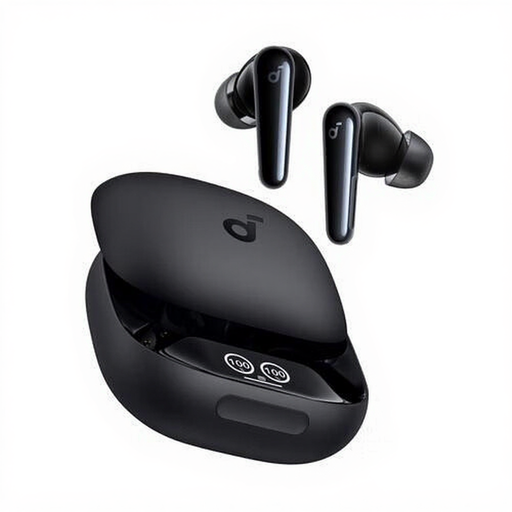
Why it suits this profile: According to the product information, this model is designed for calls, music, sport and everyday use. The additional ear tips supplied make it easier to find the right size.
The specifications state 10 hours of continuous playback, a charging case and IPX5 splash protection. However, make sure your intended use is suitable for this rating.
Bluetooth, USB-C, touch controls, six microphones and an IPX5 rating.
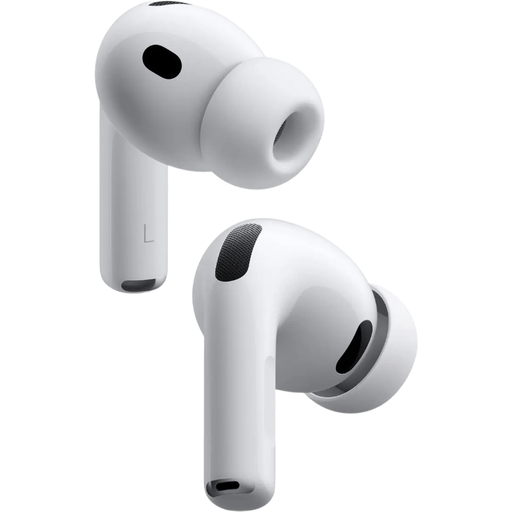
Why it suits this profile: According to the product description, Apple users get an in-ear design with five sizes of silicone ear tips, active noise cancellation and spatial audio.
The five tip sizes make it easier to fine-tune the fit. The quoted battery life is broken down by ANC and transparency mode, making the claim easier to assess.
Bluetooth 5.3, active noise cancellation, microphone, wireless charging and IP57 according to the product details.
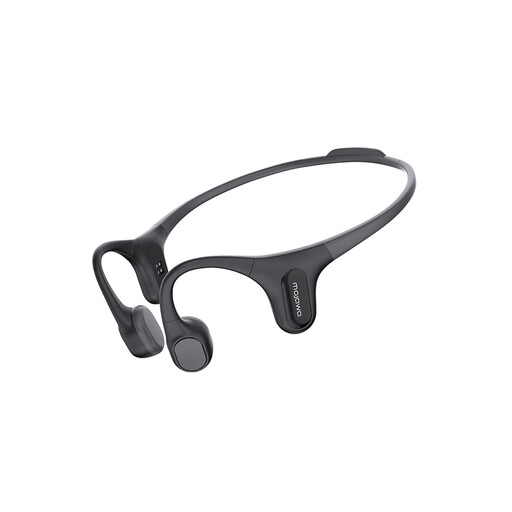
Why it suits this profile: According to the product information, this open-ear model is aimed at running, cycling, fitness and swimming. The built-in storage is practical when you do not want to carry a phone with you.
The product information states IP68 and 32 GB of storage. Always check the instructions before swimming and dry the product completely before charging.
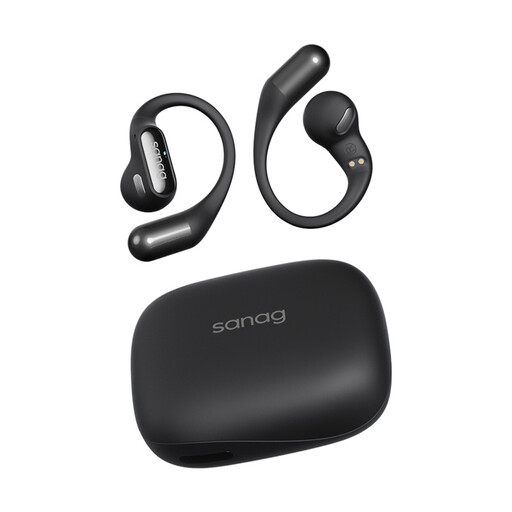
Why it suits this profile: The open-ear hook design is aimed at running, cycling, gym sessions and outdoor activities. According to the specifications, each earbud weighs approximately 5.6 grams.
The IPX4 rating makes it clear that this model is intended for sweat and light rain, not submersion. This makes it easier to assess the water resistance in practical terms.
Bluetooth 5.3, touch controls, an open-ear fit and a stated total battery life of approximately 26 to 48 hours, depending on usage.
We have compiled a complete, up-to-date list of products that fully meet these strict selection criteria and the applicable European safety regulations.
First, charge the earbuds and charging case. Then open your phone’s Bluetooth settings, put the earbuds into pairing mode and select the product name. Some brands complete the set-up through their own app. If the connection does not work, remove the previous pairing and try again.
Battery life per charge varies by model and setting. Overall lifespan also depends on the built-in battery, charging cycles, moisture, heat and maintenance. Store the earbuds in their case, keep the charging contacts clean and do not charge them when they are wet. With normal use, the statutory guarantee in the EU may last for at least two years; check the terms and conditions with the seller.
Not necessarily. A more expensive model may offer more features, such as ANC, multipoint or wireless charging, but not everyone needs these functions. Above all, compare the fit, battery life, microphone, Bluetooth compatibility and IP rating with your own usage needs. That way, you pay for features you will actually use.
