
Vandaag of morgen in huis

Kwaliteit gegarandeerd

Welkomstaanbiedingen ontgrendelen: GRATIS bezorging | Tot 80% korting | Gratis 30 dagen JoyPlus-proefperiode
Download de app
A wireless Bluetooth headset may seem easy to choose at first glance. However, there are major differences in comfort, battery life, connectivity and microphone quality. A low price means little if the earcups feel tight, the connection keeps dropping or the battery runs out quickly.
For everyday use, commuting, working from home, sport and gaming, three pitfalls are particularly important.
A product may promise a long battery life, for example, but the actual playback time depends on the volume, the connection used and features such as active noise cancellation. For some models, the stated capacity only applies when noise cancellation or lighting is switched off.
Pay attention to the difference between:
According to the product description, the Sony WH-CH520 is offered with up to 50 hours of battery life. The technical specifications also state 40 hours. This difference shows why you should not only look at a large marketing claim, but also check the specification table.
A noise-cancelling headset uses microphones and electronics to reduce surrounding noise. The result varies depending on the situation. Low, constant sounds such as engine noise are generally different from voices, traffic or sudden sounds.
According to Baseus's own product information, the EH10 NC can offer up to -45 dB of noise reduction. According to Edifier's own product information, the Atom Max reaches up to -44 dB. These figures are brand claims and do not guarantee that every user will experience the same level of reduction. Also check whether ANC affects battery life.
Over-ear headphones surround the ear and can be comfortable for long listening sessions, but they take up more space and may feel warmer. On-ear headphones rest on the ear and are often lighter and more compact, but may create pressure after prolonged use.
Wireless earbuds and True Wireless earbuds are small and easy to carry. However, the fit varies from ear to ear. Look for different-sized ear tips included in the box, the weight of each earbud and protection against moisture.
Bluetooth 5.2, 5.3, 5.4 or 6.0 does not, by itself, indicate how well a connection will work in your home. In particular, check the supported profiles, range and the devices you want to connect.
A multipoint connection is useful when you use a smartphone and laptop at the same time. It makes it easier to switch between a meeting and listening to music. For gaming, a 2.4GHz USB connection is often more relevant than Bluetooth alone, as manufacturers claim that it offers lower latency.
The codec determines how audio is processed over Bluetooth. Many models support SBC and AAC. Some models, such as the Baseus Bass EP10 Pro, also list LDAC. This may be of interest to users with compatible devices and audio sources.
Also look at:
A larger driver does not automatically mean a better listening experience. Tuning, fit and source quality also play a part.
Anyone who makes a lot of calls or works from home can benefit from headphones with a microphone. Check whether the microphone is detachable, how many microphones are built in and whether noise reduction for calls is mentioned.
For sport, an IP rating is important. IPX5 means protection against water jets under certain test conditions, but does not automatically make a product suitable for swimming. The MINISO MS106 lists IPX5; the JBL Wave Buds 2 lists IP54 for the earbuds and IPX2 for the case. Only charge a product once the charging port is dry.
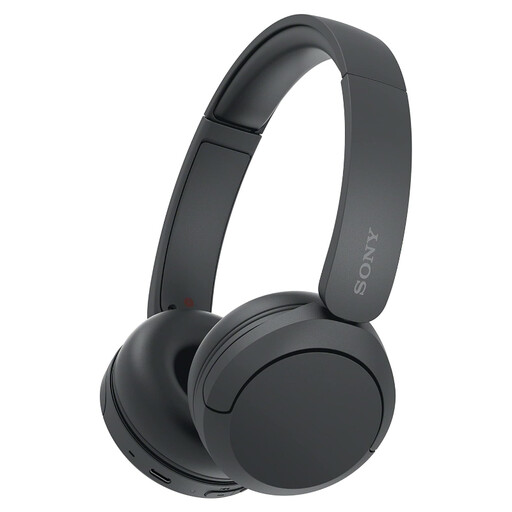
Why it suits this profile: These lightweight on-ear headphones are suitable for smartphone use, podcasts and everyday travel. The product details state a weight of 147 grams, USB-C charging and multipoint connectivity.
The product page provides specific details about weight, codecs, microphone and connectivity. However, note the difference between the stated battery life of up to 50 hours and the technical specification of 40 hours.
147 grams, AAC and SBC, USB-C, microphone and multipoint connectivity.
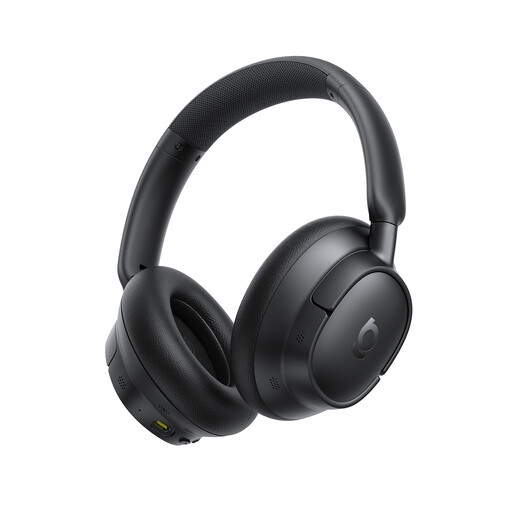
Why it suits this profile: For travel, office work and long listening sessions, over-ear earcups, ANC, multipoint and a long stated playback time are relevant features.
The product information distinguishes between up to 80 hours without ANC and 55 hours with ANC. This makes it clear under which conditions the battery claim applies.
Over-ear design, LDAC according to the product information, USB-C fast charging and five built-in microphones.
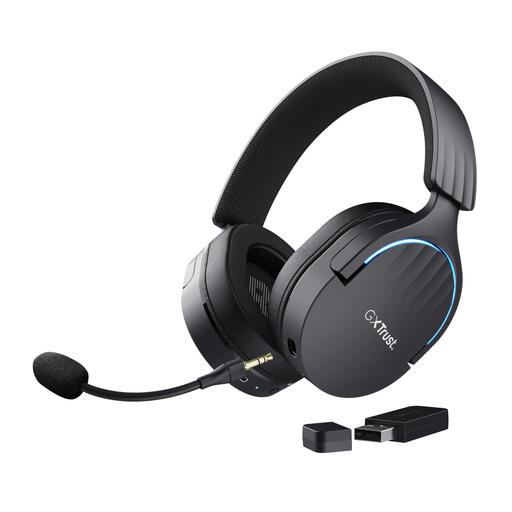
Why it suits this profile: This wireless gaming headset is aimed at PC and console use, with 2.4GHz, Bluetooth and a wired connection.
The combination of wireless and wired use provides an alternative when the battery is empty. The stated battery life is up to 22 hours, which is lower than that of some music headphones.
2.4GHz and Bluetooth, detachable microphone, 50mm drivers and compatibility with PS5, PS4 and Windows according to the product details.
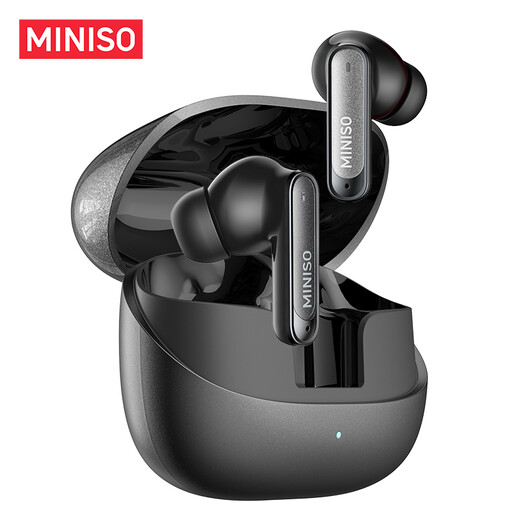
Why it suits this profile: These True Wireless earbuds are compact and, according to the product information, feature IPX5, a built-in microphone and a charging case.
The IPX5 rating makes the product more practical for sweat and light rain, but does not mean that you can swim with it or submerge the case.
IPX5 according to the product information, microphone, touch controls and a stated total battery life of up to 55 hours.
We have compiled a complete, up-to-date list of products that fully meet these strict selection criteria and the applicable European safety regulations.
Switch on the headphones or earbuds and activate pairing mode. Then open the Bluetooth settings on your smartphone and select the product name. On some models, Google Fast Pair or Microsoft Swift Pair can help with faster setup. If the connection does not work, remove the old pairing and try again.
Battery life depends on battery capacity, charging habits, volume and usage conditions. A battery may provide less capacity over time. Therefore, choose a model with USB-C, clear battery information and, where appropriate, fast charging. Keep the product dry and avoid heat, prolonged exposure to direct sunlight and charging with damaged cables.
The power consumption of Bluetooth headphones is generally limited. The charging case for earbuds does use additional energy because it recharges the earbuds several times. Only charge them with suitable cables and do not leave a lithium battery unnecessarily exposed to extreme heat. Switch off ANC, RGB lighting and other features when you do not need them to get closer to the stated battery life.
