
Vandaag of morgen in huis

Kwaliteit gegarandeerd

Welkomstaanbiedingen ontgrendelen: GRATIS bezorging | Tot 80% korting | Gratis 30 dagen JoyPlus-proefperiode
Download de app
Wireless Bluetooth headphones may seem easy to choose at first glance. However, models vary considerably in fit, battery life, water resistance and call quality. A low price can be tempting, but unclear product specifications or the wrong wearing style can quickly lead to a disappointing purchase.
For everyday use in the Netherlands, these situations are particularly familiar: headphones that do not stay securely in place while cycling, earbuds that become uncomfortable after a few hours, or a battery that lasts less time than the advert suggests. By checking the right details in advance, you can compare products more effectively.
The stated battery life often applies under specific conditions. With some models, the total playback time includes the charging case, while other manufacturers only state the time per earbud. Active noise cancellation, high volume and phone calls can also affect how long the battery lasts.
So pay attention to the difference between:
For example, JBL states that the Wave Buds 2 offer total playback of up to 40 hours with ANC switched off, with the earbuds themselves providing up to 8 hours of music playback. The stated usage time is therefore not the same as 40 hours of uninterrupted listening without recharging.
Noise-cancelling headphones can use different technologies. Active noise cancellation, also known as ANC, uses microphones and electronics to reduce ambient noise. Passive isolation is created by the ear cushions or the seal provided by in-ear earbuds.
According to JBL’s product description, the Wave Buds 2 feature Active Noise Cancelling and Smart Ambient. According to Baseus’s product description, the EH10 offers a hybrid ANC function with a stated reduction of up to -45 dB. Such claims come from the brands and do not guarantee that every sound will disappear completely. Voices, traffic and sudden noises may still be audible, particularly.
Over-ear headphones can be comfortable for working from home, travelling or studying, but are less suitable in the rain or during intense exercise if the model is not water-resistant. In-ear earbuds are compact, but the fit varies from one ear to another. Open-ear and bone-conduction headphones let in more ambient sound, which some cyclists and runners find practical.
Always check the stated IP rating. IP54 does not mean the same as being suitable for swimming. According to the product specifications, the Samsung Galaxy Buds4 Pro are rated IP57, but the warning states that they are not intended for swimming. Only use a product within the limits specified by the manufacturer.
Bluetooth 5.2, 5.3, 5.4 or 6.0 says something about the connection, but does not in itself determine sound quality. Also check whether the device supports your phone, laptop or tablet. For work and study, multipoint Bluetooth is useful: it allows headphones to connect to two devices and switch between, for example, a laptop and a smartphone.
According to the product specifications, the Sony WH-CH520 supports multipoint and has a built-in microphone. This makes it suitable for users who regularly switch between listening to music on a laptop and making phone calls.
Compare the weight and construction:
According to the listed specifications, the Sony WH-CH520 weighs 147 grams. The Verbex K08 is listed with a weight of 140 grams and an ear-hook design. If the information differs, check the product page to see which specification is current.
An IP rating describes protection against dust or water under specific test conditions. IPX5 is intended to protect against water jets from different directions, but not against submersion. According to the product description, the MINISO MS106 is rated IPX5 water-resistant and suitable for rain and perspiration. This makes it more appealing for walking or exercise, but not automatically suitable for swimming.
Dry the earbuds, and especially the charging contacts, before charging them. Only use a swimming mode or internal MP3 mode when this is explicitly stated in the product information.
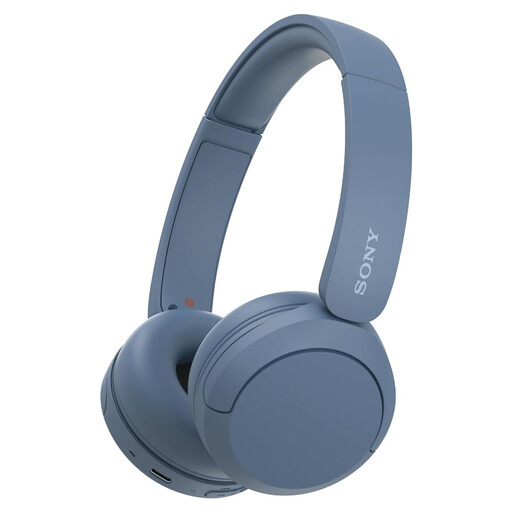
Why it suits this profile: Compact on-ear headphones for music, podcasts and calls without complicated settings.
The product information mentions multipoint, USB-C and an adjustable headband. However, this model is not water-resistant and does not have ANC.
147 grams, microphone, multipoint Bluetooth and, according to the product information, up to 50 hours of battery life.

Why it suits this profile: For users looking for compact Bluetooth earbuds with ANC, multiple microphones and advanced audio features.
The product information lists battery life separately with ANC switched on and off. The warning makes it clear that IP57 is not intended for swimming.
ANC, 6 microphones, 24-bit/96 kHz audio according to the product specifications, and wireless charging.
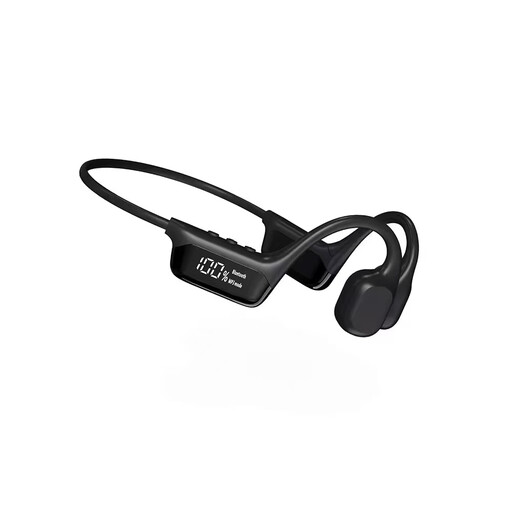
Why it suits this profile: An open-ear design for running, cycling, the office and users who do not want to block out their surroundings completely.
The product description mentions an open design and sports use. For swimming, you should check the stated swimming mode and conditions; Bluetooth streaming does not work underwater.
According to the product specifications: Bluetooth 5.3, multipoint, an ear-hook design and a stated range of 10 metres or more.
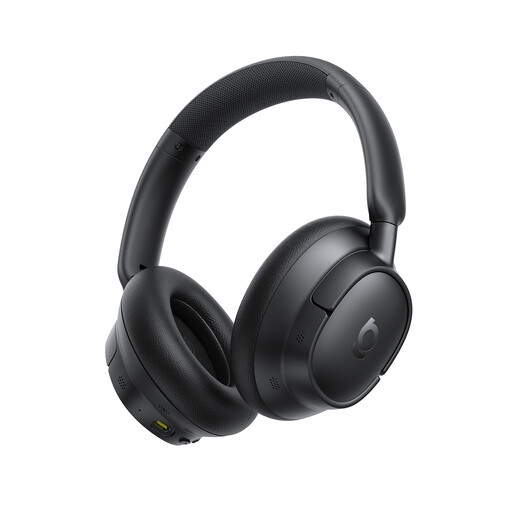
Why it suits this profile: Over-ear headphones for train journeys, focused work and long listening sessions.
The manufacturer states separate playback times with ANC switched on and off: up to 55 and 80 hours. This makes it clearer which conditions apply to the claim.
According to Baseus: hybrid ANC, LDAC support, five microphones and USB-C fast charging.
We have put together a complete, up-to-date list of products that fully meet these strict selection criteria and the applicable European safety regulations.
First charge the headphones, open your phone’s Bluetooth settings and put the device into pairing mode. Then select the product name from the list. If you experience problems, it often helps to remove a previous pairing and restart both devices.
Their lifespan depends on the battery, hinges, ear cushions and charging connector. Keep the device dry, avoid extreme heat and charge it according to the instructions. Battery life of 40 or 50 hours says nothing about how many years the built-in battery will last, so also check the warranty and returns information.
ANC can be useful on a train, aeroplane or in a busy office, but it is not essential for everyone. If you need to continue hearing traffic noise and conversations around you, open-ear, bone-conduction or transparency-mode headphones may be a better choice. Alongside ANC, compare the fit, microphone quality, battery life and wearing comfort.
