
Vandaag of morgen in huis

Kwaliteit gegarandeerd

Welkomstaanbiedingen ontgrendelen: GRATIS bezorging | Tot 80% korting | Gratis 30 dagen JoyPlus-proefperiode
Download de app
Choosing a wireless speaker may seem straightforward: connect your phone via Bluetooth and play music. In practice, models vary considerably in size, battery life, connections and protection against water. If you only look at wattage or striking design, you could end up buying a speaker that does not suit your everyday needs.
This guide will help you compare wireless speakers objectively. You will learn what to look out for, which specifications really matter in practice and which type is best suited to music, films, gaming, outdoor use or phone calls.
Power is often displayed prominently, but the number of watts alone does not predict how a speaker will sound. The enclosure, speaker drivers, tuning and positioning also affect the listening experience. A compact Bluetooth speaker with 5 W may be suitable for a desk or bathroom, while a 34 W RMS model may be better suited to a living room or party.
Also pay attention to the difference between RMS power and peak power. RMS provides a more useful indication of continuous output power. Manufacturers sometimes use higher peak values in their marketing materials. Always compare specifications that have been stated in the same way.
A waterproof speaker with an IP rating provides more clarity than a general claim such as ‘resistant to splashes’. With IP67, the product is dust-tight according to the stated specification and suitable for temporary immersion in fresh water. IP66 refers to complete protection against dust and powerful jets of water, but does not automatically mean that the product can be submerged.
Salt water, chlorinated water, high pressure and prolonged rain can still cause damage. Always check the manual and close the charging ports properly before using an outdoor speaker outside.
Manufacturers generally state battery life under specific conditions. Higher volume, lighting, phone calls and low temperatures can affect playback time. Therefore, do not just look at the highest number of hours. Also consider:
Bluetooth 5.3 or 5.4 can provide a modern, stable connection, but actual performance also depends on your phone, laptop and surroundings. Check whether the speaker supports your preferred codecs, such as SBC or AAC. If you regularly switch between your work phone and personal phone, support for two simultaneous Bluetooth devices could be useful.
A portable Bluetooth speaker with a range of around 10 metres is sufficient for most rooms. Walls, furniture and other wireless devices can reduce the range.
A small portable speaker is convenient for cycling, travelling or a picnic, but generally produces less bass than a larger model. For a desk, compact gaming speakers with USB, AUX and Bluetooth are practical. A larger stereo speaker can provide a wider soundstage in a living room.
Do not place a speaker completely enclosed inside a cabinet. When choosing a soundbar, take the width of your TV into account and check whether your television supports HDMI ARC or eARC.
For the beach, campsite or bathroom, a dust- and water-resistant enclosure and a sturdy carrying loop are useful. Also pay attention to the charging port, buttons and supplied accessories. A speaker without IP certification is not automatically suitable for outdoor use, even if the product photos show it being used outside.
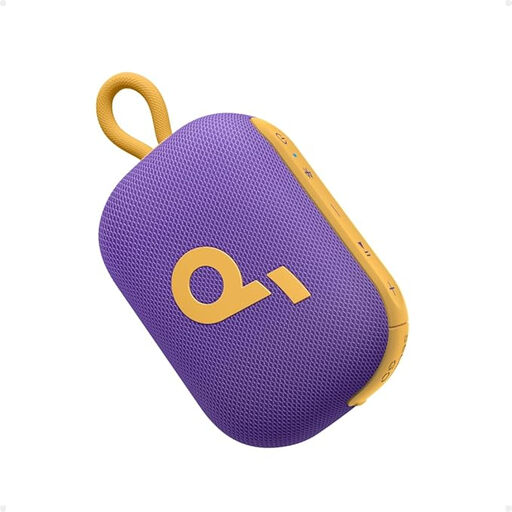
Why it suits this profile: This compact model is designed for easy use with a smartphone, tablet, laptop or television. According to the product information, the speaker offers up to 20 hours of playback and a lightweight design with a carrying loop.
The IP67 rating makes the choice more specific than a general claim about splash resistance. However, check the instructions and do not charge the speaker while the connection is wet.
IP67, up to 20 hours of stated playback time, TWS pairing and a stated range of 10 metres.
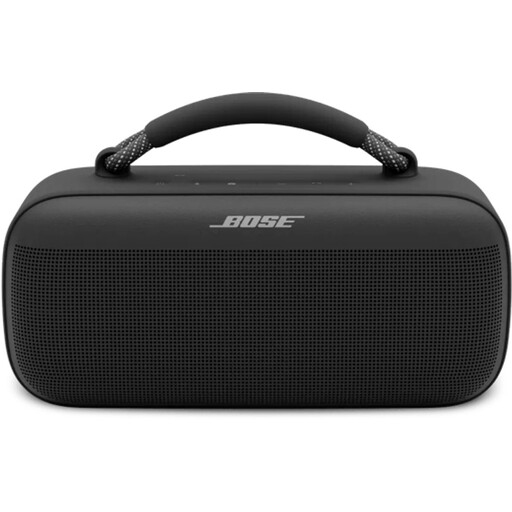
Why it suits this profile: The larger enclosure and 3.2 kg weight are well suited to users looking for a powerful speaker for use at home and on the move. According to the product information, it offers up to 20 hours of battery life, IP67 protection and support for Spotify Connect and AirPlay.
The IP67 specification provides a verifiable indication of dust and water protection. Its size makes it less suitable for a small bag, which is an important practical consideration.
IP67, mobile app, multi-room functionality and stated battery life of up to 20 hours.

Why it suits this profile: The ES60 is suitable for use at home, at parties and outdoors. According to the product information, this model offers 34 W RMS, Bluetooth 5.4, support for two simultaneous Bluetooth devices and stereo pairing.
As well as stating the power output, the product information lists the drivers, IP66 protection and connections. This allows you to compare more than just wattage.
34 W RMS, IP66, Bluetooth 5.4, USB-C and a built-in microphone for calls.
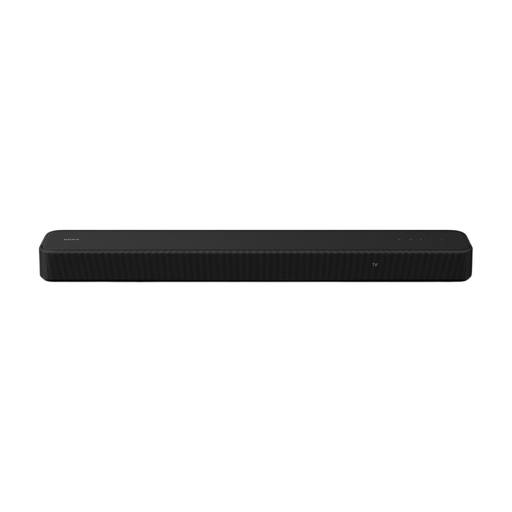
Why it suits this profile: This soundbar is designed for TV users who do not want to install separate rear speakers. According to the product information, it features a 3.1-channel configuration, built-in dual subwoofers, HDMI eARC/ARC and Bluetooth 5.2.
Check beforehand whether your TV supports ARC or eARC. Dolby Atmos is included according to the product information, but the audible experience also depends on the source material, room and positioning.
3.1 channels, built-in subwoofers, HDMI eARC/ARC, Bluetooth and the option to expand with optional speakers.
We have compiled a complete, up-to-date list of products that fully meet these strict selection criteria and the applicable European safety regulations.
Turn on Bluetooth on your phone, put the speaker into pairing mode and select the product name in the Bluetooth settings. If the device has been paired before, this often happens automatically. Keep the range in mind and remove old pairings if the connection cannot be established.
This depends on volume, Bluetooth connection, lighting and temperature. The stated values for the products in this range vary from approximately 8 to 20 hours. A speaker with long battery life is useful for travelling, but also check the charging method and battery indicator.
Not necessarily. A simple soundbar can already provide clearer TV audio while taking up very little space. A soundbar with Dolby Atmos is particularly interesting if your source device and streaming service provide compatible audio and you want to try a more immersive sound. For extra bass, you could consider a speaker with subwoofer or a soundbar with a built-in or wireless subwoofer.
