
Vandaag of morgen in huis

Kwaliteit gegarandeerd

Welkomstaanbiedingen ontgrendelen: GRATIS bezorging | Tot 80% korting | Gratis 30 dagen JoyPlus-proefperiode
Download de app
A wireless speaker may seem easy to choose, until you have to decide between a compact Bluetooth speaker, a portable speaker, a soundbar or a complete home cinema system. Marketing often focuses on high wattage, “3D sound” or long battery life. These terms do not always tell you whether the product suits your living room, TV or everyday use.
Pay particular attention to these common pitfalls:
First, decide what you need the speaker for. A compact wireless speaker with a battery is suitable for a balcony, park, kitchen or cycle ride. A TV speaker needs different connections. For films and series, HDMI ARC or eARC, a subwoofer and support for suitable audio formats are often more relevant than Bluetooth alone.
A Bluetooth soundbar is convenient for playing music from a smartphone, but for television, a wired connection is usually preferable. Via HDMI ARC or eARC, you can often control the volume with the TV remote, and the connection is better suited to TV audio.
For a gaming speaker, low latency, clear voice reproduction and connections such as USB or 3.5 mm audio are useful. A karaoke speaker must also support a microphone. Always check whether a microphone is included or needs to be purchased separately.
The number of channels provides an indication of the configuration:
A wireless subwoofer can reproduce low frequencies more powerfully, but it also takes up extra space. In a small room, a compact soundbar without a separate subwoofer may be more practical. Also look at the difference between RMS power and peak power. A higher figure does not automatically indicate better sound quality.
For a portable speaker, battery life, weight and protection are more important than having lots of connections. According to the product information, the Sony SRS-XB100 has a battery life of up to 16 hours, weighs 274 grams and has IP67 protection against dust and temporary immersion in fresh water. According to the listed specifications, the Sony ULT FIELD 1 has a battery life of up to 12 hours, weighs 650 grams and also has IP67 protection.
For a water-resistant speaker, also check the conditions of use. Avoid prolonged exposure to salt water, chlorine and extreme heat. For fixed speakers and soundbars, HDMI, optical input, USB, AUX and app support are more important. Also check whether your TV supports ARC or eARC.

Why it suits this profile: This compact Bluetooth speaker is suitable for everyday use without complicated installation. The carrying strap makes it easy to take with you.
The product information clearly states 16 hours of battery life, Bluetooth 5.3 and IP67, rather than making only general claims about portability.
274 grams, USB-C, a microphone for hands-free calls and pairing with a second speaker.
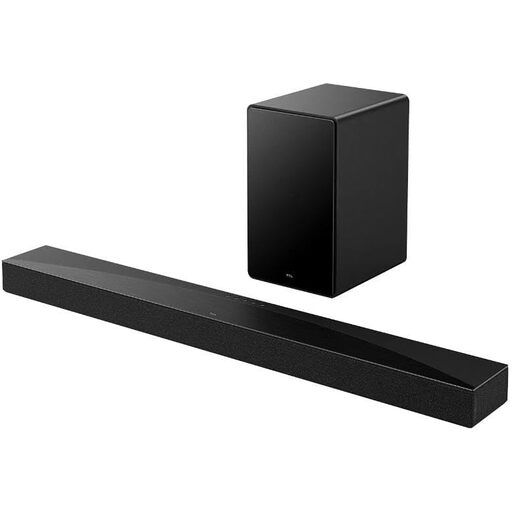
Why it suits this profile: A 5.1 system with a wireless subwoofer is designed for films, series and games in the living room.
The specifications list 5.1 channels, a 100 W RMS subwoofer and HDMI eARC. This allows you to check the configuration and connections in advance.
580 W RMS according to the product listing, Dolby Atmos and DTS:X support, Bluetooth 5.3 and wall mounting.

Why it suits this profile: This portable speaker is designed for karaoke, performances, instruments and parties at home or outdoors.
The listed features make it clear that this is not an ordinary music player: it has microphone, instrument, AUX and USB connections.
Includes a wireless microphone, Bluetooth 5.4, USB-C, EQ settings and a stated play time of 10 to 13 hours at medium volume.
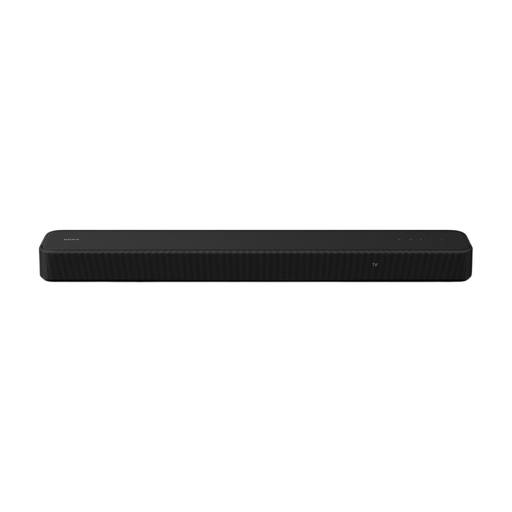
Why it suits this profile: The compact 3.1 soundbar has built-in subwoofers and is suitable when a separate bass box is not wanted.
The product details list dimensions of 800 × 64 × 124 mm and HDMI eARC/ARC. This allows you to check in advance whether the soundbar will fit beneath your TV.
3.1 channels, 250 W RMS according to the specifications, Dolby Atmos support and control via remote control or app.
We have put together a complete, up-to-date list of products that fully meet these strict selection criteria and the applicable European safety regulations.
For a soundbar, preferably use HDMI ARC or eARC if both devices support it. An optical cable is an alternative. Bluetooth works with some TVs, but can cause a delay between the picture and sound. Therefore, check whether your TV supports Bluetooth audio and whether the synchronisation can be adjusted.
The stated battery life is usually a maximum measured under specific conditions. Volume, Bluetooth connection, equaliser and lighting all affect power consumption. So do not compare only the number of hours; also consider the USB connection, charging time and whether you can check the battery status.
A portable speaker mainly uses its built-in battery during playback. A soundbar and subwoofer run on mains power; consumption depends on volume, standby function and usage time. Switch devices off completely when you are not using them for extended periods, and check whether automatic standby is enabled.
