
Vandaag of morgen in huis

Kwaliteit gegarandeerd

Welkomstaanbiedingen ontgrendelen: GRATIS bezorging | Tot 80% korting | Gratis 30 dagen JoyPlus-proefperiode
Download de app
A wireless speaker might seem easy to choose at first. But terms such as “powerful sound”, “surround sound” and “premium speaker” can make it hard to know what you’re really getting. A high wattage, for example, doesn’t automatically mean a speaker will sound good in your living room. A Bluetooth speaker may also be less suitable if you want to connect speakers in several rooms.
The most common buying pitfalls:
For a compact portable speaker, RMS power is a useful indication of the amplifier output. The driver design is just as relevant. A model with a separate woofer and tweeters can distribute low and high frequencies differently from a small speaker with a single driver.
For TV and films, you’ll want to look at the number of channels. A 2.1 soundbar usually consists of a soundbar and subwoofer. A 5.1 or 7.1 system adds surround speakers. Check where those speakers need to go and whether they’re genuinely wireless. “Wireless rear speakers”, for example, might mean the speakers connect wirelessly but still need a power supply.
A Bluetooth speaker is handy for your smartphone, tablet or laptop. Bluetooth 5.x can provide a stable connection, but range and lag also depend on walls and the source device.
A Wi-Fi speaker is a better choice for a fixed position. Support for AirPlay 2, Spotify Connect or multi-room lets you control music from an app or group several compatible speakers together. Check in advance whether your home network supports both 2.4GHz and 5GHz if this is mentioned in the product information.
For a TV, HDMI ARC or eARC is often more practical than Bluetooth alone. HDMI can sometimes let you adjust the volume using your TV remote. Optical, USB or AUX connections can give you extra flexibility when connecting a games console or Blu-ray player.
A built-in battery makes a speaker portable, but the stated battery life usually depends on volume, connection and features. Treat claims such as “up to 12 hours” or “up to 20 hours” as a guide.
For outdoor use, the IP code matters. With IP67, the first digit indicates dust protection and the second indicates protection against water under specific test conditions. Even so, check the manual before using a waterproof Bluetooth speaker by the pool, at the beach or in the rain.
Also consider:
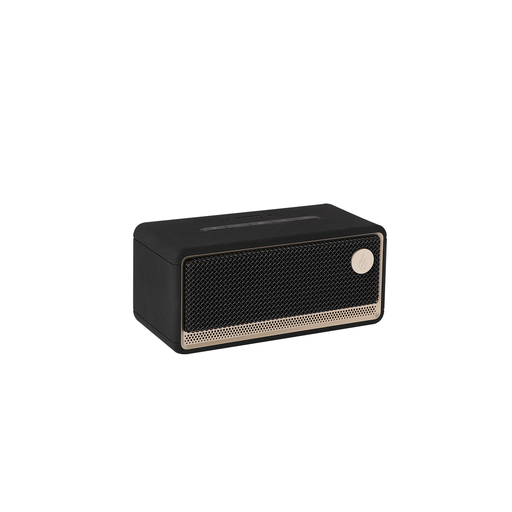
Why it suits this profile: This model combines Bluetooth 5.3, Wi-Fi, USB and AUX in one unit. That means you can start with wireless streaming and connect other sources later.
As well as 60W RMS, the product information lists the drivers and USB and AUX inputs. So you don’t have to rely on a vague marketing label alone.
Hi-Res Audio certification according to the product listing, AirPlay 2, multi-room functionality and a stated battery life of up to 12 hours.
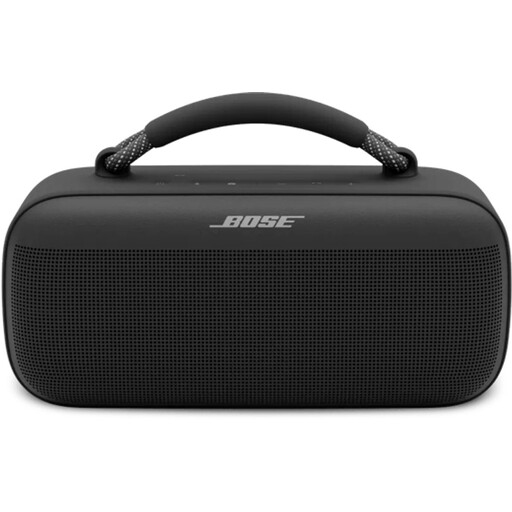
Why it suits this profile: A robust Bluetooth speaker for anyone who wants to listen to music at home and on the go without putting together a separate system.
The specifications list the weight, battery life and IP67 rating. This makes it easier to decide whether 3.2 kg and up to 20 hours suit the way you’ll use it.
According to the product listing, it features Spotify Connect, AirPlay, app control, fast charging, and IP67 dust and water protection.
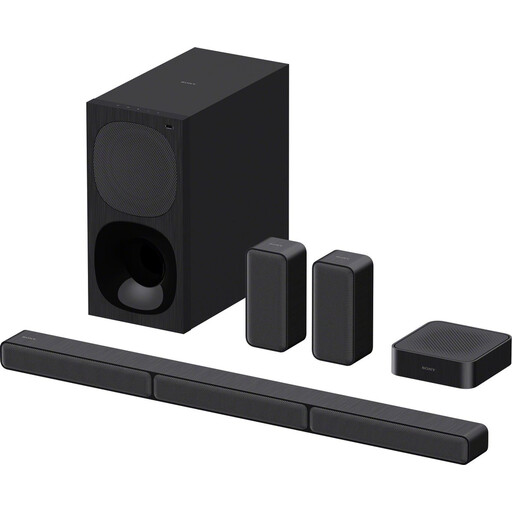
Why it suits this profile: This is a complete 5.1 solution for films, TV series and games, with a soundbar, subwoofer and rear speakers.
The system lists the number of channels, RMS power, subwoofer and connections separately. This makes it clearer what you’ll need to position around the room.
5.1 channels, 600W RMS according to the product details, Dolby Digital, HDMI ARC, Bluetooth and a wireless subwoofer.
We’ve put together a complete, up-to-date list of products that meet these strict selection criteria and the applicable European safety regulations.
Not in every situation. Bluetooth is easy to use temporarily and when you’re out and about. Wi-Fi is more practical for a fixed position, streaming services and multi-room use. However, a Wi-Fi speaker depends on your network and is usually less suitable for use away from home.
First check whether your TV supports HDMI ARC, eARC, optical audio or Bluetooth. For films and games, a soundbar with HDMI ARC or eARC often makes for a simpler connection. With a surround sound system, you’ll also need to position and connect the subwoofer and rear speakers according to the manual.
A speaker with a battery uses electricity while it’s charging. A fixed Wi-Fi speaker, soundbar or home cinema system will usually stay plugged into the mains. Power consumption depends on the wattage, volume and standby mode. Check the stated power consumption and switch devices off when you’re not going to use them for a while.
