
Vandaag of morgen in huis

Kwaliteit gegarandeerd

Welkomstaanbiedingen ontgrendelen: GRATIS bezorging | Tot 80% korting | Gratis 30 dagen JoyPlus-proefperiode
Download de app
Buying a wireless speaker seems simple until you have to choose between Bluetooth, Wi-Fi, a soundbar or a portable speaker. Product pages often focus on high wattage, 3D audio and smart features. But these terms don’t always tell you how well a speaker will suit your living room, phone or intended use.
So, keep an eye out for these three common pitfalls:
A Bluetooth speaker is handy for use with a smartphone, tablet or laptop. Bluetooth 5.2, 5.3 or 5.4 can provide a current connection, but the overall experience also depends on the source device and the codecs it supports. LDAC, AAC and SBC are examples of audio codecs; check whether your phone supports them.
A Wi-Fi speaker is better suited to a permanent spot in your home. Wi-Fi can support multi-room features and services such as AirPlay 2. A model with both Bluetooth and Wi-Fi offers more flexibility. Also check for physical connections such as USB, AUX, HDMI ARC/eARC and optical audio. These determine whether you can connect the speaker directly to a TV, computer or games console.
When checking power, look for RMS where possible, as it’s a more useful guide than a peak figure alone. The number of drivers also matters. A woofer or mid-woofer handles lower and mid-range tones, while a tweeter reproduces higher frequencies. A built-in or wireless subwoofer can add extra bass, but it also needs space and a power socket.
A compact model isn’t automatically unsuitable for music or films, but a large living room usually needs a different sound setup from a desk or bedroom. Consider the speaker’s dimensions and placement too: one placed against a wall or inside a cabinet may sound different from one in an open space.
For a portable speaker, battery life, weight and IP rating matter more than volume alone. According to the product rating, IP67 means protection against dust and temporary immersion in water. However, make sure all covers are properly closed before using the speaker outdoors.
Stated playback time is a claim made by the brand, not a guarantee for every situation. Higher volume, lighting and extra bass can increase power consumption. For home use, a mains-powered speaker or soundbar is often more practical than a heavy battery-powered model.
The right choice depends on where you listen and which devices you use. A gaming speaker for a desk, for example, doesn’t need multi-room features, whereas a living-room set-up may benefit from Wi-Fi, HDMI or a speaker with a subwoofer.
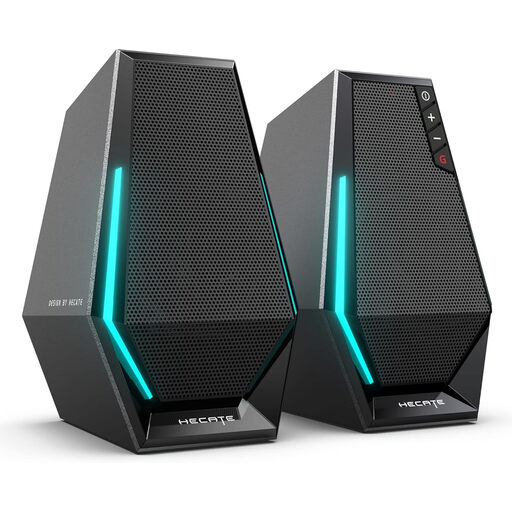
Why it suits this profile: This compact 2.0 system is designed for a desk, laptop or gaming PC. Bluetooth 5.3, USB and 3.5 mm AUX offer several ways to connect.
The product information states a peak power of 10 watts, so you won’t mistake this model for a system designed for a large living room. Its connections are clearly specified.
Two drivers, USB power, Bluetooth 5.3 and five adjustable RGB lighting effects, according to the product description.
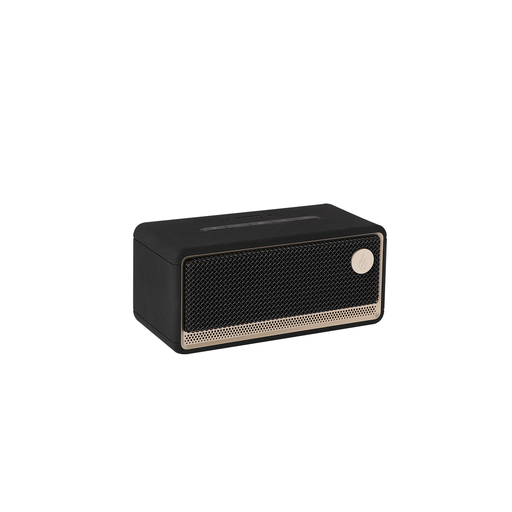
Why it suits this profile: With Wi-Fi, Bluetooth, AirPlay 2, USB and AUX, this speaker is a good fit for music lovers who want to use one speaker in different situations.
The specifications list both a total RMS power of 60 watts and the individual drivers. The maximum battery life of 12 hours is also clearly presented as a product claim.
4-inch mid-low driver, two 1.25-inch tweeters, Bluetooth 5.3, LDAC, AirPlay 2 and multi-room support, according to the product information.
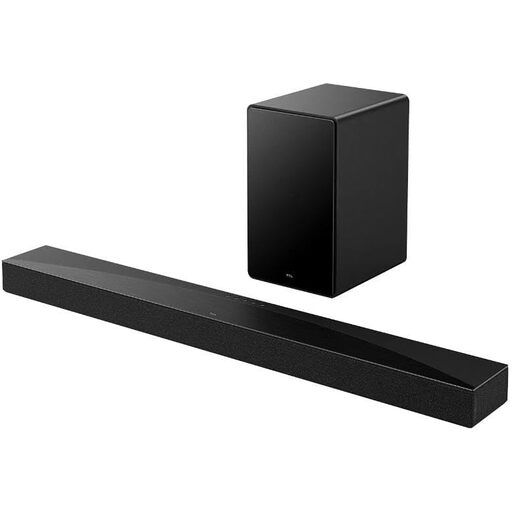
Why it suits this profile: For TV, films and gaming, a soundbar with a wireless subwoofer and multiple channels is more practical than a standalone portable speaker.
The connections are clearly listed: HDMI, HDMI eARC, optical and USB. Check in advance whether your TV supports eARC or ARC for the connection you want.
5.1-channel set-up, wireless subwoofer, Bluetooth 5.3, Dolby Atmos and DTS:X, according to the product specifications.
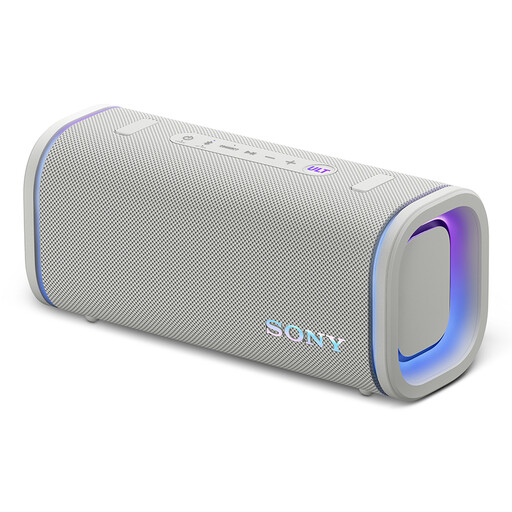
Why it suits this profile: This portable speaker is designed for people who want to take their music into the garden, out onto the balcony or on a trip, and need longer battery life.
The product information states a battery life of up to 25 hours and an IP67 rating. Treat this as the stated maximum, and don’t use the speaker without its protective covers closed.
Bluetooth 5.3, USB-C, stated battery life of 25 hours, weight of 3.3 kg, and IP67 dust and water resistance, according to the product description.
We’ve put together a complete, up-to-date list of products that meet these strict selection criteria and the applicable European safety regulations.
A Bluetooth speaker usually works without Wi-Fi or internet once it’s paired with your phone or laptop. A Wi-Fi speaker uses your home network for streaming, multi-room playback and certain app features. Of course, you’ll still need internet for services that stream music online.
First, check which outputs your TV has. HDMI ARC/eARC is often convenient, as picture and sound are carried over one cable and you may be able to control the volume with your TV remote. Optical audio is an alternative. Bluetooth can be handy, but there may be a delay between the picture and sound. If you’re using a Dolby Atmos soundbar, also check that your TV and streaming source can pass through the right format.
Lifespan depends on the battery’s condition, charging habits, moisture, heat and volume. A model that stays plugged into the mains doesn’t have a battery that’s being used every day. For a portable speaker, avoid exposing the battery to extreme heat for long periods, and keep the protective covers clean and closed. Always check the manual for specific charging and care instructions.
