
Vandaag of morgen in huis

Kwaliteit gegarandeerd

Welkomstaanbiedingen ontgrendelen: GRATIS bezorging | Tot 80% korting | Gratis 30 dagen JoyPlus-proefperiode
Download de app
A wireless speaker might seem easy to choose: check the power output, compare prices and pick a model with plenty of features. But terms such as “powerful bass”, “surround sound” and “waterproof” can give you the wrong impression. The right choice depends above all on the space, how you plan to use it and which connections you need.
A higher wattage doesn’t automatically mean a Bluetooth speaker sounds better. Manufacturers also use different measurement methods, such as RMS and peak power. Check which type of power output is listed, and look at the number of drivers, speaker configuration and dimensions too.
A compact speaker may be loud enough for a small room. If you want to fill a large living room, garden or home cinema room, you’re more likely to benefit from a larger enclosure, multiple channels or a separate subwoofer.
Check the IP rating. Under the usual classification, IP67 means a device is dust-tight and can withstand temporary immersion under specified conditions. Always check the manual and the manufacturer’s terms. Damaged port covers, salt water and prolonged exposure to moisture can still cause problems.
A waterproof speaker is suitable for places such as the beach, bathroom or patio, but don’t leave an electronic device out in the rain or standing water unnecessarily.
A Wi-Fi speaker, multiroom speaker or speaker with an app may offer more settings, but often works properly only after you’ve set up an app, account or home network. Also check that it supports the streaming services you want, as well as AirPlay, Spotify Connect or Chromecast.
Bluetooth is usually more practical for simple use outdoors. For a permanent home set-up, Wi-Fi can offer advantages such as multiroom audio and control over a network.
Bluetooth 5.0 or later generally provides a modern connection for smartphones, tablets and laptops. The actual range depends on walls, sources of interference and the connected device. Multipoint is useful if two people want to take turns playing music.
A Wi-Fi speaker is worth considering if you want to connect speakers in multiple rooms. AirPlay 2, Spotify Connect and similar features work over your home network and can provide a stable listening experience. For a soundbar, check whether your TV has HDMI ARC or eARC. An optical cable is a useful alternative, but it doesn’t always offer the same control options or audio formats.
A portable speaker is only truly practical if its weight, dimensions and battery life suit the way you plan to use it. Manufacturers usually quote battery life under ideal conditions. Higher volume, active lighting and plenty of bass can shorten play time.
Look out for:
A regular Bluetooth speaker is usually an all-in-one solution. A TV soundbar can create a wider soundstage, while a system with a subwoofer and rear speakers takes up more space.
Dolby Atmos and DTS:X can create an immersive effect, but the result depends on the source, the room and the speaker placement. A soundbar beneath the TV shouldn’t block the infrared sensor. Don’t shut a subwoofer away in a cupboard, as this can affect the bass.
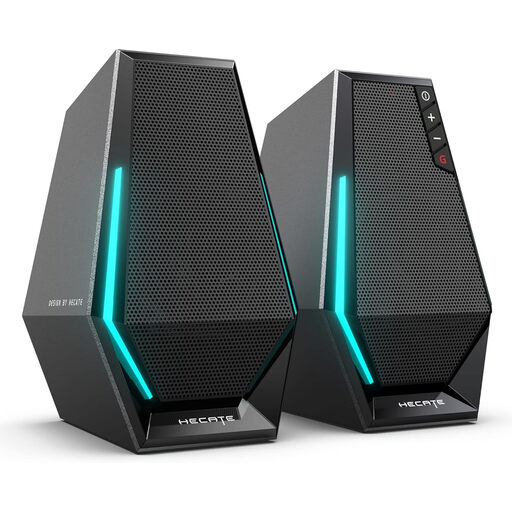
Why it suits this profile: This compact set is designed for PC use and offers Bluetooth, USB and 3.5mm AUX, with no complicated set-up.
The product specifications list 10 watts of peak power and make clear that this is a computer speaker set, not a solution for a large living room.
Two 2.5-inch drivers, three connection options and five RGB lighting settings, according to the product information.
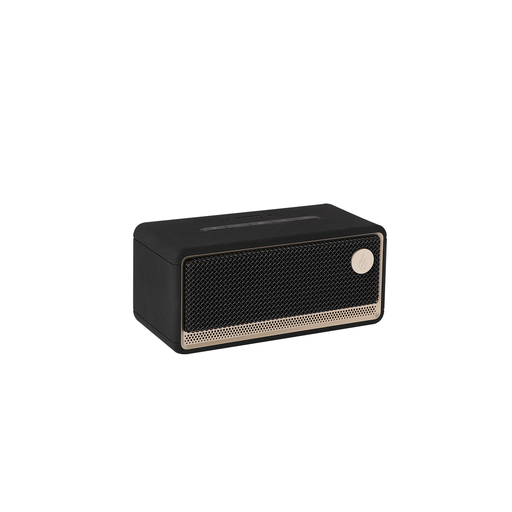
Why it suits this profile: This wireless speaker combines a permanent home set-up, portable use and multiroom features in one enclosure.
The product information lists not only a total output of 60 watts RMS, but also USB, AUX, Bluetooth 5.3 and 2.4 and 5 GHz Wi-Fi.
AirPlay 2, LDAC, app control and up to 12 hours of quoted battery life, according to Edifier’s product information.
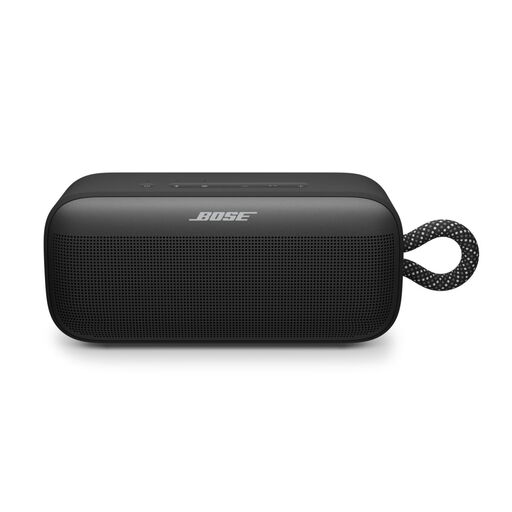
Why it suits this profile: A portable speaker for the garden, days out and places where dust and water protection matter.
The manufacturer lists IP67 protection. Before use, check the latest manual and make sure all covers are properly closed, especially if the speaker will be exposed to water for a long time.
Up to 20 hours of battery life, a USB-C connection and equaliser settings via the Bose app, according to the product description.
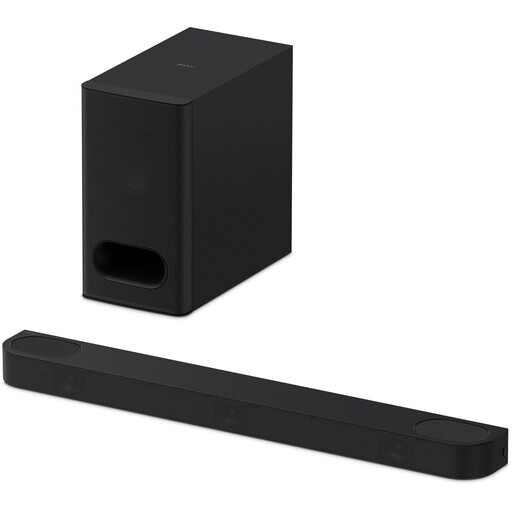
Why it suits this profile: This home cinema system is designed for viewers looking for a TV soundbar with a wireless subwoofer.
The channel configuration is clearly specified as 3.1.2, with a separate subwoofer. This makes it easier to understand what you’re buying than a product described only in general terms as offering surround sound.
Dolby Atmos, DTS:X, HDMI eARC, Bluetooth and a stated RMS output of 350 watts, according to the product specifications.
We’ve put together a complete, up-to-date list of products that meet these strict selection criteria and current European safety regulations.
It can be, but check whether your TV supports Bluetooth audio. You may notice a delay when watching films. A soundbar connected via HDMI ARC or eARC is usually more practical for controlling it with your TV remote and for compatible audio formats.
It depends on the volume, connection, lighting and battery capacity. A quoted battery life of 12 or 20 hours is usually a maximum under specific conditions. If you often use your speaker outdoors, it’s worth choosing a model with USB-C and plenty of battery life to spare.
A Wi-Fi speaker generally uses little energy in standby, but consumption varies by model and settings. A portable Bluetooth speaker mainly uses battery power while in use. For a permanent set-up, check the standby power consumption and switch the device off if you won’t be using it for an extended period.
