
Vandaag of morgen in huis

Kwaliteit gegarandeerd

Welkomstaanbiedingen ontgrendelen: GRATIS bezorging | Tot 80% korting | Gratis 30 dagen JoyPlus-proefperiode
Download de app
A wireless smoke alarm with a 10-year battery may seem like a straightforward purchase at first glance. However, models vary considerably in connectivity, battery type, sound level and maintenance requirements. A low price means little if you later have to replace several alarms, cannot establish a connection or cannot hear an alarm properly upstairs.
For homeowners, tenants and families, these are the three main pitfalls to consider:
Below are the key points to check before buying a smoke alarm for your home.
An EN14604 smoke alarm refers to the European standard for residential smoke alarms. The standard covers technical properties, marking and product assessment, among other things. Always check that the product information explicitly mentions this standard. A reference to a standard does not guarantee that an alarm will work optimally in every home or situation.
Many models are optical smoke alarms. These detect smoke particles in a sensing chamber. According to the manufacturer's product description, the Heiman models in this selection are optical or described as smoke alarms for household use. Do not place an alarm directly above a hob, near a shower or in a particularly dusty area. Steam and dust can cause false alarms.
A wirelessly networkable smoke alarm generally uses radio signals to relay alarms between devices. This is particularly practical in homes with multiple floors, long hallways or bedrooms that are further apart. If one interconnected alarm detects smoke, the other alarms can issue a warning at the same time.
Pay attention to the difference between:
According to Heiman's product information, the wirelessly interconnected models in the Model 633 and 2SA series can connect up to 40 alarms. Before installation, check that all devices belong to the same compatible series. A Wi-Fi model with an app is not automatically part of the same radio system.
A built-in battery lasting up to 10 years reduces the number of maintenance visits required. The alarm will generally need to be replaced as a complete unit afterwards. Also check whether the battery is sealed or replaceable. With a replaceable model, make sure you have a suitable battery available in good time; its capacity and type must match the instructions.
A smoke alarm 85 dB produces an alarm signal of 85 decibels according to the product specification. This can help alert people in other rooms, but audibility depends on doors, walls, sleeping arrangements and the layout of the home. After installation, test whether you can hear the alarm in all relevant areas.
A smoke alarm with a mute button can temporarily silence an alarm, for example when cooking fumes are present. Do not use this function as a substitute for ventilation or checking the cause. If an alarm continues to sound, investigate the reason and move the alarm if necessary, following the instructions.
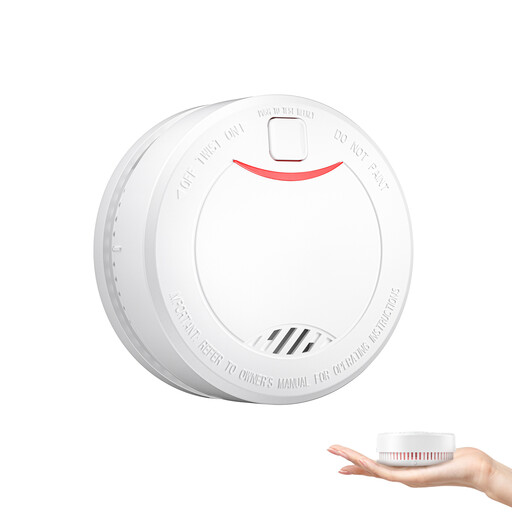
Why it suits this profile: A standalone smoke alarm is a straightforward choice for a studio flat, apartment or as an addition to an existing installation.
The product title specifies a photoelectric sensor, a 10-year service life, 85 dB and DIN EN14604. This makes the key purchase information easy to check at a glance.
Standalone model with mounting accessories; optical detection, 85 dB and stated EN14604 compliance.
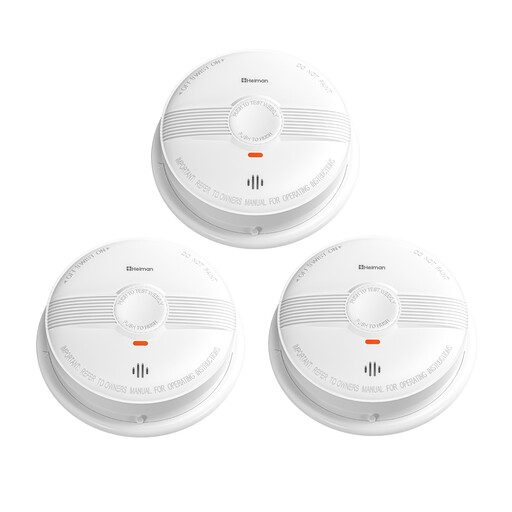
Why it suits this profile: This set of three smoke alarms is well suited to families and homes with several rooms or floors.
The manufacturer explicitly states that up to 40 devices can be wirelessly interconnected, so “wireless” here does not refer only to the power supply.
Set of three; 10-year built-in battery; 85 dB; mute button and stated EN14604 compliance.
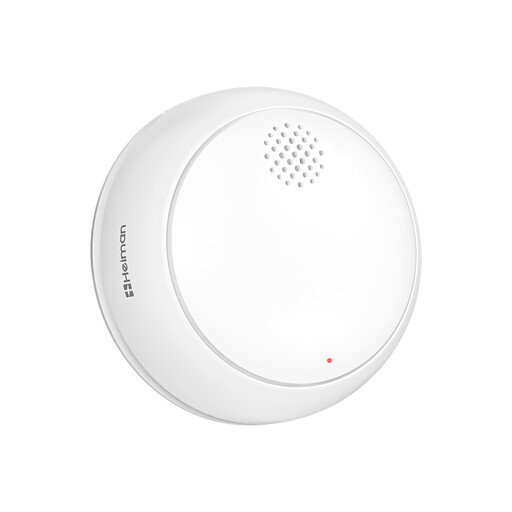
Why it suits this profile: Ideal for people who want to use an app and replace the battery themselves.
The description separately mentions Wi-Fi, app control and a replaceable battery. However, check app compatibility and the required Wi-Fi setup in advance.
Replaceable battery; 85 dB; app functionality and EN 14604 mentioned in the product information.
We have put together a complete, up-to-date list of products that fully meet these strict selection criteria and the applicable European safety regulations.
Install smoke alarms according to the instructions, usually on the ceiling and along relevant routes through the home. In a multi-storey home, the following locations are often practical:
Test each alarm regularly using the test button. The manufacturer of Model 633 recommends weekly testing and carefully removing dust with a vacuum cleaner once a year. Do not paint the casing, and look out for low-battery or fault signals. For rented homes, also check the arrangements with your landlord and the applicable UK regulations.
No. A long battery life reduces the number of replacements needed, but testing and cleaning are still necessary. With a built-in battery, you will generally replace the complete alarm when the stated service life has been reached.
Follow the pairing procedure in the instructions before permanently installing the alarms. Then check each alarm individually and test whether one alarm signal also activates the other connected devices. Models using radio signals and models using Wi-Fi or an app do not necessarily work together.
That depends on your home and how you use it. An app can provide additional alerts, but it requires a suitable Wi-Fi environment and correct configuration. For a flat or small home, a well-positioned smoke alarm with an audible alarm may be sufficient. For every model, check the specific features, battery and compatibility rather than relying solely on the term “smart”.
