
Vandaag of morgen in huis

Kwaliteit gegarandeerd

Welkomstaanbiedingen ontgrendelen: GRATIS bezorging | Tot 80% korting | Gratis 30 dagen JoyPlus-proefperiode
Download de app
A pristine lawn without having to lift a finger. That's the promise of a robotic lawn mower. The latest generation, the wireless robotic mower, promises this convenience without the hassle of burying a perimeter wire. But the market is flooded with models claiming smart features that fall short in practice. Before you invest, it's crucial to know what to look for to avoid buying an expensive gadget that brings more frustration than convenience.
As a Joybuy Product Recommendation Officer, I see a lot of products come and go. I'll help you see through the marketing jargon and focus on what truly matters. Here are the most common pitfalls and how to avoid them.
Many automatic lawn mowers are sold with promises of artificial intelligence and effortless operation. In reality, many users stumble upon the same problems.
To bypass the pitfalls above, you need to pay attention to a few technical specifications. These determine whether a robotic mower without a perimeter wire does its job well.
The way the mower determines its position is fundamental.
Look beyond just the maximum area. A robotic mower for 800m2 must not only handle the square footage but also the specific characteristics of your garden.
A good automatic lawn mower doesn't just stop when it bumps into something. Advanced models use a combination of cameras and algorithms (like the AIVI 3D system that ECOVACS mentions) to proactively recognize and avoid objects. This is essential for the safety of playing children, pets, and other animals in the garden.
Not every robotic mower is suitable for every garden or user. Below are some choices that fit different profiles, based on their specifications.
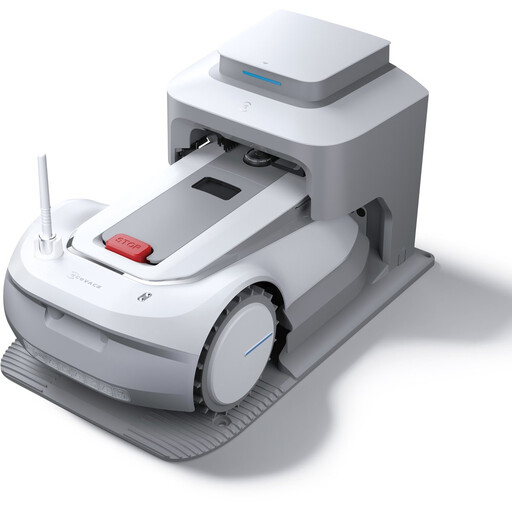
Why This Fits Their Persona: This user wants a reliable, 'set-it-and-forget-it' solution for a typical suburban garden up to 800 m?. Efficiency and a neatly mown lawn without hassle are the priority.
Addresses the pitfalls of navigation and obstacle detection. According to ECOVACS, its TrueMapping system combines visual and signal-based localization, while AIVI 3D is designed to recognize and avoid objects like hedgehogs and toys.
The combination of a 360° panoramic camera and a 150° fisheye camera provides a wide field of view. The setup is done entirely through the app, which reduces complexity.
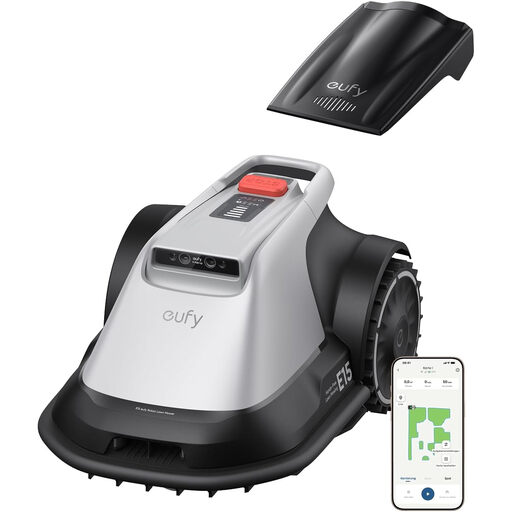
Why This Fits Their Persona: This user has a garden with obstacles like trees or an extension, where a GPS signal might be weak. They value a simple setup and seamless control via an app.
This model works without an RTK base station, relying on what eufy calls TrueVision technology. This can avoid the pitfall of signal loss in built-up or densely vegetated areas. The focus on app control indicates ease of use.
The setup is potentially simpler as no external beacon is needed. The technology is geared towards precise edge mowing and smart navigation in gardens up to 800 m?.
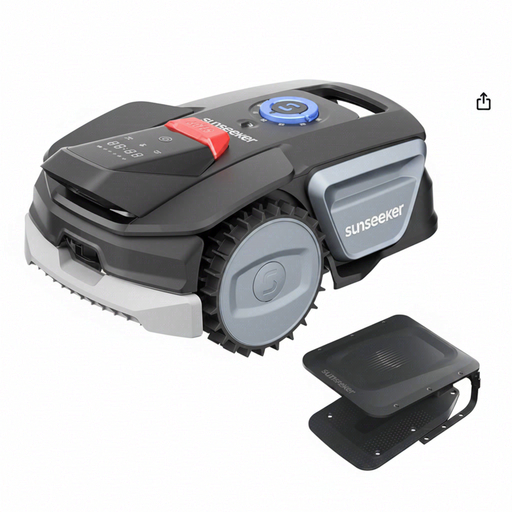
Why This Fits Their Persona: Ideal for those with a smaller lawn (up to 300 m?) who want the benefits of a wireless robotic mower without paying for an over-specced model. Convenience and a compact size are key.
By focusing on a smaller area, this model avoids the pitfall of being an overly expensive purchase for a small garden. The focus on 'Vision AI' and 'App Control' suggests a modern approach to navigation and usability.
An accessible entry point into the world of the wireless robotic mower. It comes with a garage, which protects the mower from the elements and can extend its lifespan.
A perfectly mown lawn starts with the right tool. Whether you opt for fully automatic convenience or another type of mower, it's important that it fits your garden and your needs.
Unlike models with a perimeter wire, the installation is significantly faster. Typically, you walk along the edges of your lawn with your smartphone or the mower itself to set the boundaries. According to manufacturers like ECOVACS, this can be completed for a standard garden within 20 to 30 minutes via the companion app.
Performance varies by model. Advanced models can handle twilight better, but most visual systems need sufficient light to navigate reliably. Heavy rain or dense fog can affect operation. Most robotic mowers are equipped with a rain sensor and automatically return to their charging station when it starts to rain.
Maintenance is minimal but important for a long lifespan. Regularly clean the underside and the blades to prevent grass buildup. Check the blades for sharpness and replace them if necessary, usually once or twice per mowing season. Also, keep the sensors and camera lenses clean for optimal navigation and obstacle detection.
