
Vandaag of morgen in huis

Kwaliteit gegarandeerd

Welkomstaanbiedingen ontgrendelen: GRATIS bezorging | Tot 80% korting | Gratis 30 dagen JoyPlus-proefperiode
Download de app
A perfectly manicured lawn without lifting a finger. That's the promise of a robotic lawnmower. But the reality of burying or pinning down hundreds of metres of perimeter wire is a major hurdle for many garden owners. The wireless robotic lawnmower seems like the ideal solution. Yet, hidden pitfalls can turn a dream purchase into a source of frustration.
Before you invest, it's important to see through the marketing claims. Many buyers fall into the same traps:
This guide will help you recognise these issues and choose a model that truly delivers the freedom and convenience it promises.
To avoid a costly mistake, it's crucial to look beyond the shiny exterior. Focus on the technology that drives performance.
The way a wireless robotic mower finds its way is the most critical factor. The two main technologies are RTK and AI Vision, often used in combination.
RTK mower uses a fixed reference station in your garden to determine its position with centimetre-level accuracy. This ensures extremely precise, efficient mowing patterns and is highly reliable, even in gardens with weaker GPS signals due to trees or buildings.smart lawnmower with advanced AI can dynamically react to changing environments, like a ball left on the grass.The combination of RTK + AI Vision typically offers the most robust solution: RTK for general navigation and map management, and AI for instantly avoiding unexpected obstacles.
Not every garden is a flat, square field. If you have a more complex garden, pay attention to the following specifications:
robotic mower for slopes with a capacity of 45% or more is necessary. This requires powerful motors and high-grip wheels.automatic lawnmower with an app lets you draw virtual boundaries, set up no-go zones (like flowerbeds or a pond), and define paths between zones.A quiet robotic mower is pleasant for you and your neighbours. The noise level is expressed in decibels (dB). A model around 50-60 dB is considered quiet, comparable to a calm conversation. Also, check the battery capacity and coverage per charge, especially for a robotic mower for large gardens.
Below is a selection of models suited for different user profiles, based on their specifications and how they address the pitfalls mentioned earlier.
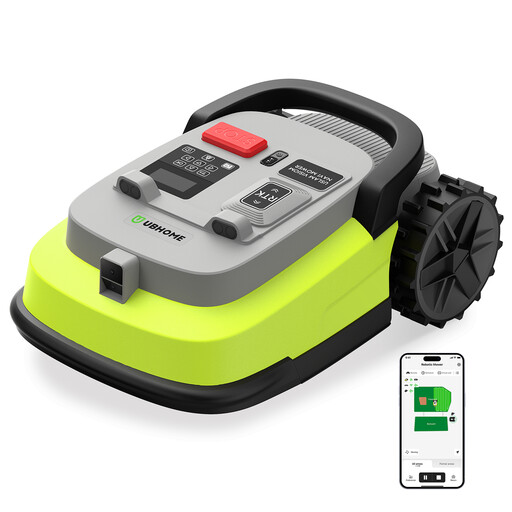
Why This Fits Their Persona: Ideal for the owner of a large, challenging garden (up to 1000 m?) who seeks the most advanced technology. The combination of RTK and AI vision offers precision and safety, while its impressive slope capacity can handle almost any terrain.
The fusion of RTK and AI vision tackles both the navigation and obstacle pitfalls. RTK ensures flawless mapping, even under trees, while the AI recognises over 200 types of objects for dynamic avoidance.
Climbing capability up to 55% (28.8°), which is exceptional. Manages up to 15 zones via the app, perfect for the most fragmented gardens.
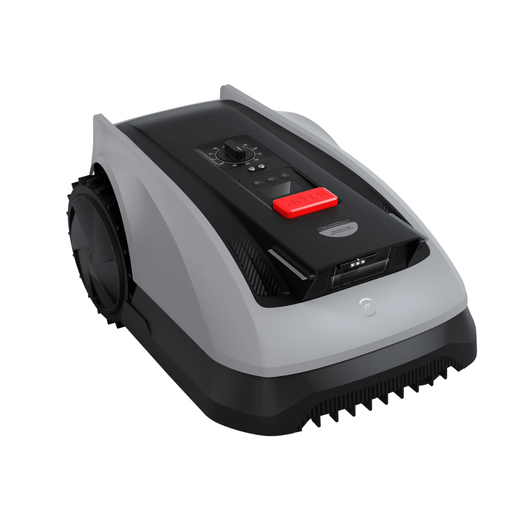
Why This Fits Their Persona: Suitable for gardens up to 600 m?. This user wants a reliable, quiet, and smart solution from a well-known brand without paying a premium price. Efficiency and ease of use are top priorities.
Offers reliable RTK navigation, avoiding the pitfall of inaccuracy. Its AIVI camera for obstacle detection is a proven system that safely bypasses unexpected objects.
Very quiet operation at just 50 dB(A). It has an excellent slope capacity of 45% and a user-friendly app for scheduling and zone management.
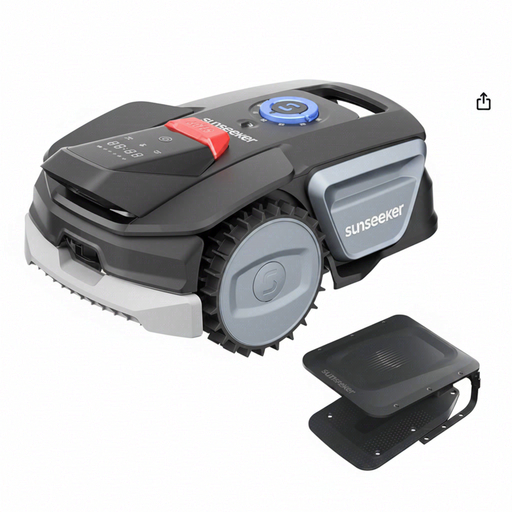
Why This Fits Their Persona: Perfect for those looking to switch to wireless mowing for a smaller garden (up to 300 m?) without a major investment. This model focuses on simplicity and a quick setup.
Tackles the complex setup pitfall with a focus on "one-click" mowing. Its AI vision is designed for simple gardens, offering a wireless experience without the complexity of RTK.
Comes with an included garage, which is great added value. The focus on simple app control makes this a very accessible entry-level model.
A well-maintained garden requires more than just a mowed lawn. Discover our full range of tools that meet strict selection criteria and regulations.
Accuracy heavily depends on the technology used. Models with RTK technology are typically the most accurate, able to determine their position with centimetre-level precision. This results in very straight and efficient mowing lines. Models that rely solely on AI vision or basic GPS can be less precise, especially in complex gardens with many corners or weak satellite signals.
This is a well-known challenge. More advanced models solve this with 'sensor fusion'. An RTK mower that is also equipped with AI vision and other sensors (like a gyroscope and odometer) can bridge temporary signal loss. The mower then uses visual data from the camera and its internal sensors to maintain its course until the GPS signal is strong enough again.
Generally, the setup is simpler than laying a perimeter wire. The process typically involves:
