
Vandaag of morgen in huis

Kwaliteit gegarandeerd

Welkomstaanbiedingen ontgrendelen: GRATIS bezorging | Tot 80% korting | Gratis 30 dagen JoyPlus-proefperiode
Download de app
Wireless over-ear headphones with noise cancelling can look like an obvious choice on paper. But terms such as ANC, Hi-Res Audio and long battery life don’t tell you everything about day-to-day use. A pair of headphones might block out a lot of background noise, for example, yet feel uncomfortable on a train journey. Or the advertised playback time might only apply when active noise cancelling is switched off.
For commuters, home workers, travellers and music lovers, three things matter most: verifiable specifications, a comfortable fit and features that work with your devices. Read on to find out what to look for and which popular options suit different needs.
Brands sometimes quote a figure such as ‘-44 dB noise cancelling’. This isn’t directly comparable with figures for other models. The result depends on the measurement method, frequencies and fit. According to Edifier’s product description, the Atom Max offers up to -44 dB of hybrid active noise cancelling. Treat this as a product specification, not a guarantee that every sound will disappear completely.
Also look for a transparency mode or aware mode. This is useful when you want to stay aware of your surroundings at a station, in the office or out on the street. Don’t use ANC headphones while cycling, driving or in any other situation where you need to stay alert.
Headphones offering 40 or 50 hours of playback sound like they’ll last ages, but battery life can vary depending on ANC, volume, codec, phone calls and temperature. According to the product information, the Sony WH-1000XM5 offers 30 hours with noise cancelling and up to 40 hours without it. The Dyson Zone OE is listed as offering up to 50 hours of audio with ANC, although additional features affect battery life.
So always check:
Over-ear headphones should fit around your ears, but the ear cups, headband and clamping force vary from model to model. Weight matters too: according to the specifications, the Bose QuietComfort weighs 240 grams, the Sony WH-1000XM5 250 grams and the Sonos Ace 312 grams. A heavier model may offer extra features, but it won’t feel comfortable for everyone during long listening sessions.
Also consider heat build-up, the shape of the ear cushions and whether the headband is adjustable. Foldable headphones are handy for carrying in a rucksack, but check that the hinges feel sturdy and that a protective case is included.
Active noise cancelling, usually called ANC, uses microphones and electronic processing to counter certain background sounds. It’s often designed for low, constant noises such as train engines or aircraft hum. The seal around the ear cushions also provides passive sound isolation.
A good fit is still important. If there’s a lot of space around your ears, they may not work as well in practice as the marketing suggests.
A pair of Bluetooth headphones with Bluetooth 5.4 may offer recent connectivity technology on paper, but compatibility also depends on your phone, laptop and the codec you use. The Edifier Atom Max lists Bluetooth 5.4 and the ability to connect to two devices at once. According to its specifications, the Sonos Ace also has Bluetooth 5.4, multipoint and support for AAC, aptX Lossless, LC3 and SBC.
Before buying, check whether you need multipoint connectivity. It lets you stay connected to your laptop while your phone receives incoming calls, for example. Not all headphones support this, even if they use a recent version of Bluetooth.
Hi-Res Audio headphones may be worth considering if you have compatible music files, a compatible phone and the right connection. The Edifier Atom Max lists Hi-Res Audio via a wired USB-C connection. According to the product information, the Sony WH-1000XM5 supports LDAC, AAC and SBC, among other codecs.
For working from home, a pair of headphones with a microphone is more important than a wide frequency range alone. Look for microphone noise reduction, on-earcup controls and the ability to take calls without holding your phone.
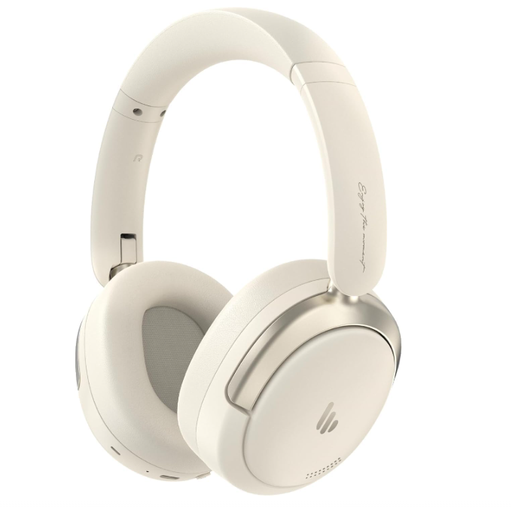
Why it suits this profile: Hybrid ANC, Bluetooth 5.4, a built-in microphone and up to 45 hours of playback, according to the product description, make this a practical entry-level option for everyday use.
The product information lists specific features rather than making a vague ANC promise: dual-device connectivity, USB-C audio and fast charging.
40mm driver, Hi-Res Audio via USB-C, Bluetooth 5.4, microphone and foldable design.
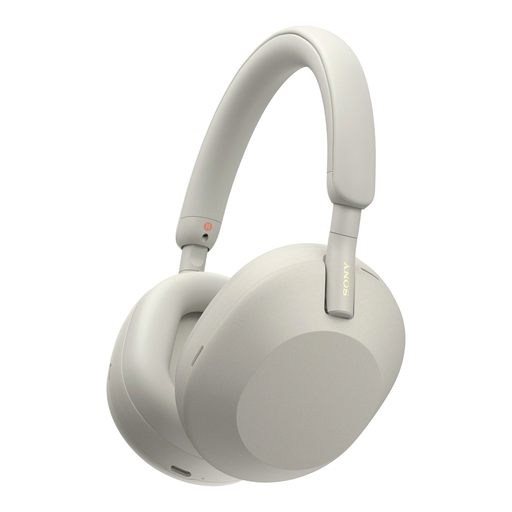
Why it suits this profile: According to the product information, this model combines active noise cancelling, multipoint, LDAC support and a stated battery life of 30 hours with ANC switched on.
Battery life is listed separately for use with and without ANC. This makes it easier to compare than a single general playback figure.
Bluetooth 5.2, multipoint, 3.5mm cable connection, microphone and LDAC support.
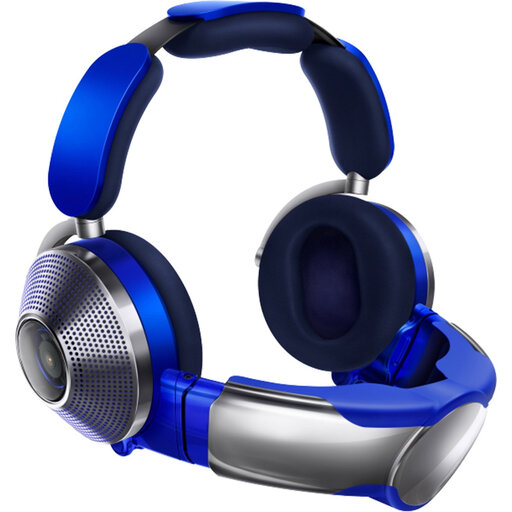
Why it suits this profile: This model is designed for users who want extra features and long battery life as well as wireless audio.
The product information explains separately that battery life changes when additional features are in use. This helps you assess the specification more realistically.
Up to 50 hours of audio with ANC, according to the product description, plus Bluetooth, a microphone and an app for settings.
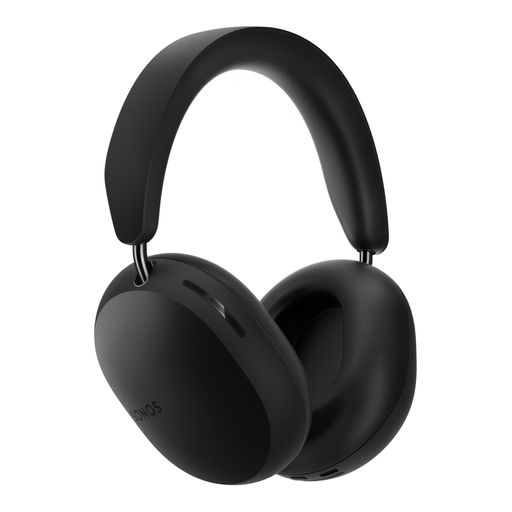
Why it suits this profile: Active noise cancelling, multipoint, microphones and spatial audio make this a good match for working from home, watching films and listening to music.
The product information lists 30 hours of battery life with ANC and supports both wireless and wired connections.
Bluetooth 5.4, USB-C and 3.5mm connections, microphone, multipoint and app settings.
We’ve put together a full, up-to-date list of products that meet these strict selection criteria and the current European safety requirements.
First, charge your headphones, switch on Bluetooth on your smartphone or laptop, then select the product name from the list of available devices. Only install the official app if you want to adjust the equaliser, ANC modes, firmware or multipoint settings. Then check that the ear cushions fit properly and test a call using the microphone.
Their practical lifespan depends on daily use, charging habits, hinges, ear cushions and the built-in battery. If you want to keep your headphones for longer, choose a model with replaceable ear cushions or a wired fallback. Store them in a case in a dry place and avoid prolonged exposure to heat or moisture.
Yes. Active noise cancelling uses microphones and electronic processing, which can affect playback time. Always compare the stated battery life with ANC switched on. Fast charging and a wired connection are useful extras for long train journeys, flights and working days.
