
Vandaag of morgen in huis

Kwaliteit gegarandeerd

Welkomstaanbiedingen ontgrendelen: GRATIS bezorging | Tot 80% korting | Gratis 30 dagen JoyPlus-proefperiode
Download de app
Wireless open-ear sports earbuds are useful for running, cycling, commuting and working out. They leave your ear canals clear, so you can stay more aware of traffic, colleagues and other people exercising nearby. However, not every model is suited to the same conditions.
A long battery-life claim or terms such as “waterproof” and “noise cancelling” don’t tell you much on their own. Fit, water-resistance rating and the way sound is delivered all affect how well a model suits your needs in practice. Here’s what to look for before you buy.
A model with an IPX4 rating is protected against splashes of water from different directions under the IP rating system. That’s suitable for sweat and light rain, but not for submersion. If you’re looking for swimming earbuds, check that the stated protection rating is intended for swimming and whether the manufacturer provides specific instructions.
Pay attention to the charging contacts, too. For models with magnetic charging, these must be completely dry before you connect the cable. If the instructions say to, rinse the product with fresh water after using it in chlorinated or salt water.
A bone-conduction headset transmits sound through contact points near the cheekbone. An open-ear headset usually has a small speaker that sits next to the ear. Both leave the ear canal clear, but they feel different to wear and deliver sound differently.
Check that the product description clearly states which design is used. A product title may combine several terms, even though the actual model has, for example, an ear-hook or clip-on design.
A figure such as 28, 30 or 55 hours usually refers to the total playback time with the charging case. Battery life on a single charge can be considerably shorter. So check both figures, as well as how volume, calls and features such as noise cancellation affect battery life.
Some products’ figures are measured by the brand or manufacturer under specific conditions. According to Baseus product information, the Eli Sport 1, for example, offers around 7 to 8 hours per charge and approximately 30 hours with the case at 70 per cent volume. Actual results may vary.
For running earbuds, an ear hook, clip or flexible frame is more useful than a smooth earbud alone. Look for:
Clip-on earbuds such as the TALIX G1 weigh 5.2 grams per earbud, according to the product description. The Sanag G6S is listed at around 5.6 grams per earbud. These figures are a useful guide, but the shape of your ears also affects how comfortable a model feels.
Check the exact IP code rather than relying on words such as “sport” or “waterproof”. The product information provided includes these ratings:
An IP rating doesn’t automatically make a product suitable for swimming. The Verbex X7S product information says that the model is intended for fresh water and swimming pools, and should be rinsed after use in seawater. Always check that the charging port is dry.
Bluetooth sports earbuds with Bluetooth 5.3 or 5.4 can offer a stable connection, but range and reliability also depend on your phone and surroundings. For commuters and online meetings, microphones and call noise reduction matter more than the Bluetooth version alone.
Also look out for:
“Noise-cancelling earbuds” aren’t always fully sealed. With open-ear models, ambient sound may be allowed through deliberately. Some brands’ product descriptions say that noise reduction is used for calls or certain listening modes; this isn’t the same as complete active noise isolation.
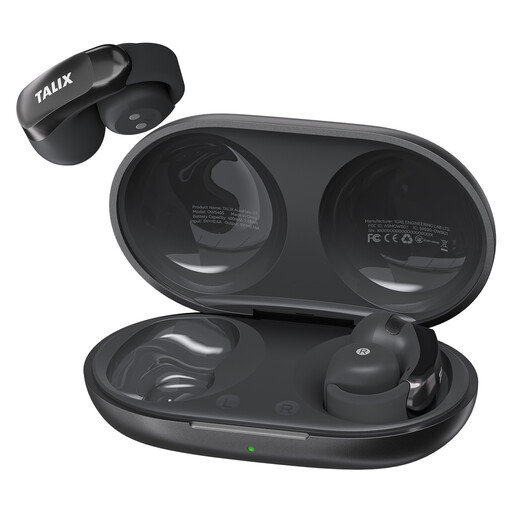
Why it suits this user type: The clip-on fit and weight of 5.2 grams per earbud make it well suited to everyday use, walking, working out and commuting.
The product information lists up to 7 hours of playback on a single charge and 28 hours with the case. The IPX4 rating makes clear that it’s suitable for sweat and light rain, not swimming.
Bluetooth 5.3, four microphones according to the product description, fast charging and a soft silicone ear hook.
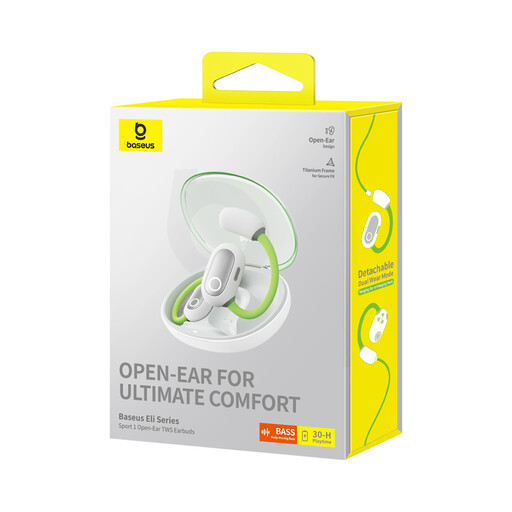
Why it suits this user type: This open-ear model is designed for sport and everyday use. According to Baseus, it features a large driver and offers longer listening time with the charging case.
The battery-life figures provided by Baseus are listed separately for the earbuds and with the case. The product information also states that the model isn’t waterproof, so you won’t mistake it for swimming earbuds.
Bluetooth 5.3, around 7 to 8 hours of listening per charge and approximately 30 hours with the case, according to the product specifications.
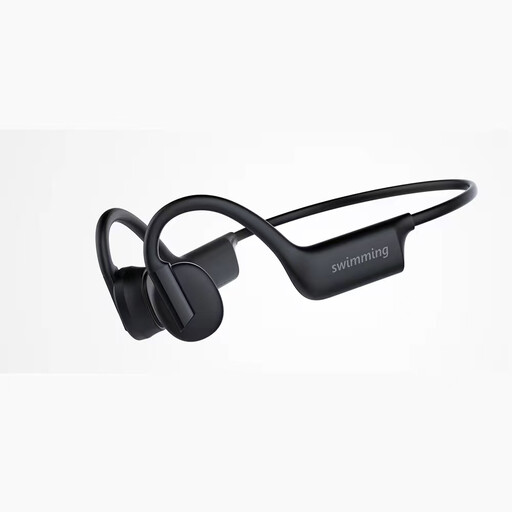
Why it suits this user type: According to the product information, this model is designed for swimming, running and cycling, with 32 GB of storage and an IPX8 rating.
The stated IPX8 rating and built-in storage make it clearer what the model is designed for. When using it in water, follow the instructions on modes, rinsing and charging only when dry.
32 GB of internal memory, magnetic charging and a stated maximum battery life of 8 hours.
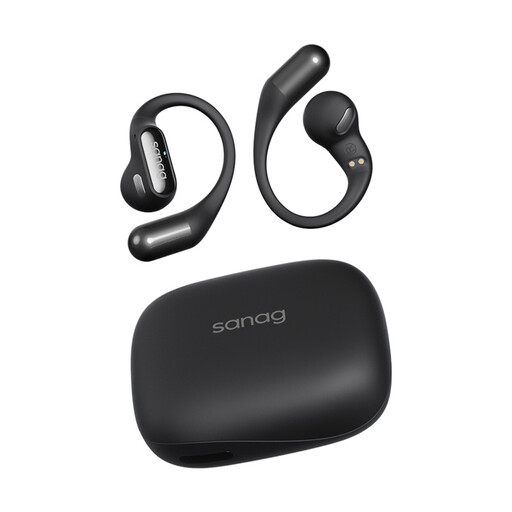
Why it suits this user type: The open-ear hook design leaves the ear canal clear and, according to the product description, is designed for running, cycling and working out.
The product information lists an IPX4 rating, so don’t mistake this model for waterproof swimming earbuds. Battery life is stated as approximately 26 to 48 hours with the case, depending on use.
Around 5.6 grams per earbud, Bluetooth 5.3, touch controls and USB-C charging according to the product specifications.
We’ve put together a full, up-to-date list of products that meet these strict selection criteria and current European safety regulations.
Yes, as long as they fit securely and the model is resistant to sweat. An ear hook or clip helps stop them from shifting. For outdoor running, choose a design that lets you hear your surroundings and listen at a moderate volume. Check the IP rating if you’ll be running in the rain.
Only if the manufacturer says the model is suitable and its water-resistance rating supports this. IPX4 models aren’t designed for swimming. Bluetooth can be of limited use underwater with some bone-conduction swimming models, so built-in MP3 storage may be more practical.
A single charge often provides several hours of battery life, while a charging case offers several extra charges. A product’s lifespan depends on charging cycles, heat, moisture and storage. Keep your earbuds dry, clean the charging contacts and don’t charge them while they’re still wet. This helps reduce wear and charging problems.
