
Vandaag of morgen in huis

Kwaliteit gegarandeerd

Welkomstaanbiedingen ontgrendelen: GRATIS bezorging | Tot 80% korting | Gratis 30 dagen JoyPlus-proefperiode
Download de app
Wireless open-ear headphones leave your ears uncovered, so you can listen to music without completely shutting yourself off from traffic, colleagues or other people. This makes this type of headphones appealing for running, walking, cycling, commuting and everyday use.
However, not all open-ear earbuds are the same. A low price may seem attractive, but a poor fit, limited moisture protection or an average microphone can quickly make them less enjoyable to use. That is why you should pay particular attention to these three common pitfalls.
Open-ear models usually rest on or alongside the ear. They do not seal the ear canal, but that alone says nothing about how well they fit. An ear hook, clip or band may sit securely for one user but cause pressure for another.
So check:
A lightweight model is not automatically comfortable, but a lower weight can make a difference during your commute or a long walk.
IP ratings are often given a lot of prominence, but the figures have a specific meaning. IP55 generally means protection against dust and water jets under the stated test conditions. It is not a rating for immersion.
For more intensive use, you could look for IP68, but always check the product information and user manual. Even water-resistant sports earbuds can have their lifespan affected by sweat, salt water and incorrect charging. Dry the contact points before placing the headphones in a charging station.
Manufacturers generally state battery life under specific test conditions. Volume, phone calls, Bluetooth connections and temperature all affect actual usage time.
Pay attention to the difference between:
A robust charging solution is particularly useful if you use the device every day or exercise several times a week.
An open-ear model directs sound towards your ear without fully blocking the ear canal. According to the product description, bone conduction headphones use a different design in which the speakers are positioned against the bone beside the ear. The listening experience therefore differs from that of conventional in-ear earbuds.
TWS earbuds are completely wireless earbuds in which the left and right earbuds work independently. An open-ear TWS model may, for example, be attached to the ear with a clip. So do not choose based on the name “Bluetooth headphones” alone; also consider how they are worn.
Bluetooth 5.4 is listed in the specifications of several models. This is a verifiable connection specification, but on its own it does not indicate how stable the connection will remain in every environment. Also check whether your smartphone is compatible and whether the controls are practical during exercise.
Buttons can be useful when your fingers are cold or sweaty. Touch controls look simple, but they can sometimes respond unintentionally when you touch the earbuds.
If you are looking for headphones for calls and music, do not just look at the number of microphones. Their positioning, wind protection and surroundings also play a role. According to the product information, the Soundcore AeroFit 2 has two microphones. The Soundcore AeroClip is listed with four microphones and a system for calls.
These are product specifications. Any claims by the brand about “clear” or “crystal-clear” calls are based on the manufacturer’s own information and do not guarantee the same experience in every situation.
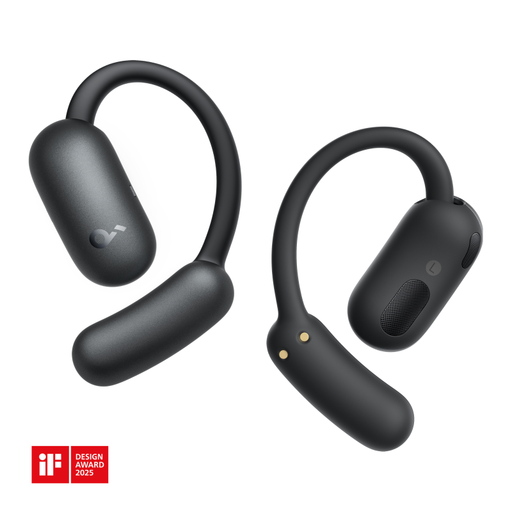
Why it suits this profile: This black open-ear model combines Bluetooth 5.4, button controls and a design intended for calls, music, sport and everyday use. That makes it a straightforward choice for anyone trying open-ear audio for the first time.
The specifications state a weight of 85 grams, a charging station and IP55. This puts the key buying information clearly in view rather than relying solely on general comfort claims.
Bluetooth 5.4, two microphones, button controls, IP55 and a battery with a stated capacity of 750 mAh.
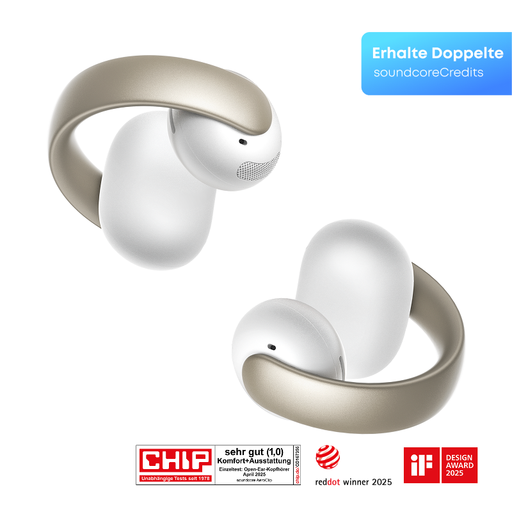
Why it suits this profile: The AeroClip is an open-ear clip-on model for calls, music, sport and everyday use. Its TWS design and touch controls suit users looking for a more compact way to wear their headphones.
The product information explicitly mentions the wearing style, Bluetooth 5.4, four microphones and a stated playback time of up to 8 hours. This allows you to match your choice to the way you plan to use it.
TWS, touch controls, four microphones, Bluetooth 5.4 and a stated battery life of 8 hours.
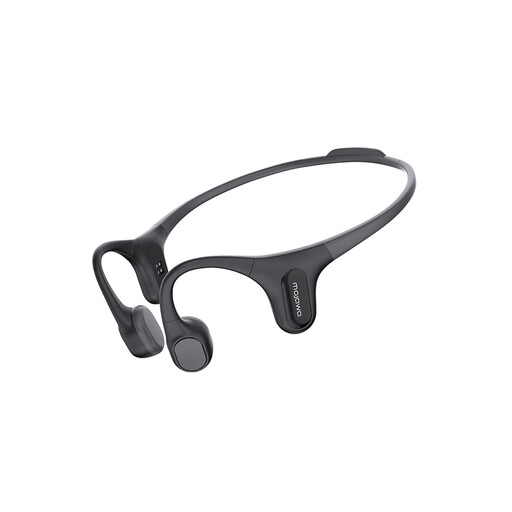
Why it suits this profile: According to the product listing, this model is designed for running, the gym and everyday use. Its stated 32GB MP3 storage may be useful if you do not want to take your phone with you every time you exercise.
The product name and listing mention a bone conduction design, 32GB MP3 player and IP68. Before buying, however, check the usage conditions for swimming and charging.
Bone conduction, Bluetooth, stated 32GB storage and an IP68 rating in the product listing.
We have put together a complete, up-to-date list of products that fully meet these strict selection criteria and the applicable European safety regulations.
They can be, particularly if you want to remain aware of your surroundings. Choose a model that sits securely on or around your ear and check its water resistance. Do not turn the volume up unnecessarily high, and do not wear headphones in situations that require your full attention. Always follow local traffic regulations.
Charge the headphones first, open the Bluetooth settings on your smartphone and select the product name. When pairing for the first time, you may need to remove the earbuds from the charging station or press and hold a button. Consult the supplied manual if the model does not appear.
The electricity costs of charging are generally low. The main recurring costs arise when the battery loses capacity over time or when accessories, a charging case or replacement parts are required. Keep the product dry, avoid extreme temperatures and charge it according to the manufacturer’s instructions.
