
Vandaag of morgen in huis

Kwaliteit gegarandeerd

Welkomstaanbiedingen ontgrendelen: GRATIS bezorging | Tot 80% korting | Gratis 30 dagen JoyPlus-proefperiode
Download de app
Wireless open-ear headphones keep your ear canals clear, allowing you to enjoy music, podcasts or phone calls while still hearing traffic and conversations around you. This makes this type of headphones appealing to runners, cyclists, fitness enthusiasts and anyone looking for everyday convenience.
However, not every product described as “open-ear” is genuinely suitable for the same situations. Marketing copy sometimes mentions features such as noise cancellation, AI, waterproofing or bone conduction without clearly explaining what they mean in practice. Pay particular attention to the construction, IP rating, battery life and how the product is worn.
Open-ear headphones use speakers positioned beside or above the ear. Bone conduction headphones transmit sound through vibrations near the cheekbone. Both designs leave the ear canal clear, but their fit and sound reproduction are different.
There are also clip-on models that hang from the outer ear. These can be comfortable, but they do not suit every ear shape. Check whether the product is worn around the ear, on the ear or near the cheekbone.
For example, a product such as the QCY Melobuds Neo features ANC and transparency mode, but it is a traditional earbuds model that sits inside the ear. It is therefore not the same as open-ear earbuds.
The IP code indicates the types of dust and water against which a device is protected according to its stated classification. IPX4, for example, is designed to protect against splashes, while IP55, IP67 and IP68 indicate different levels of protection.
This does not automatically mean that every model is suitable for swimming. Always check the manufacturer’s instructions, particularly regarding salt water, chlorine and charging. A charging case may also have a lower protection rating than the earbuds themselves. The QCY Melobuds Neo earbuds are described in the product information as IPX5-resistant to sweat and light rain, but the case is not waterproof.
The stated playback time depends on factors including volume, Bluetooth codec, microphone use and active features. A manufacturer may, for example, quote battery life at 50 or 70 per cent volume. According to Baseus’s own measurements, the Eli Sport 1 offers approximately 7 to 8 hours of playback at 70 per cent volume; actual results may vary.
Also look at the total capacity provided by the charging case or charging station. For long training sessions, a model with internal storage, such as certain swimming headphones, needs to be assessed differently from a Bluetooth model that must remain connected to a smartphone at all times.
For running and cycling, a secure fit is more important than simply choosing a lightweight model. An ear hook, neckband or titanium-alloy frame can help keep the headphones in place. Check for pressure points around the ear and whether you can continue wearing glasses, a helmet or sunglasses comfortably.
An open design allows ambient sound through, but it is no substitute for staying alert. Use an appropriate volume and follow Dutch traffic regulations. The product information for several models also warns against using them while driving or in situations that require full concentration.
Bluetooth 5.3 and 5.4 are modern versions that offer compatibility with many smartphones and other playback devices. However, the Bluetooth version alone does not determine overall sound quality or range. Codec support, antenna design and the surrounding environment also play a role.
For open-ear headphones with a microphone, the number and positioning of the microphones are relevant. According to the product specifications, the soundcore AeroFit 2 has two microphones. The soundcore Aeroclip has four microphones. These are verifiable features, but they do not guarantee that every call will remain clear in windy conditions or heavy traffic.
For running in light rain, a splash-resistance rating may be sufficient. For swimming, you need a product that is explicitly designed for that purpose. Bluetooth does not work reliably underwater, so swimming headphones often use internal MP3 storage.
The Mojawa Run Plus is listed in the product information with IP68 water resistance and 32 GB of internal storage. The Verbex X7S is listed with IPX8 and 32 GB of memory. Rinse headphones with clean water after using them in chlorinated or salt water, and make sure the magnetic charging contacts are completely dry before charging.
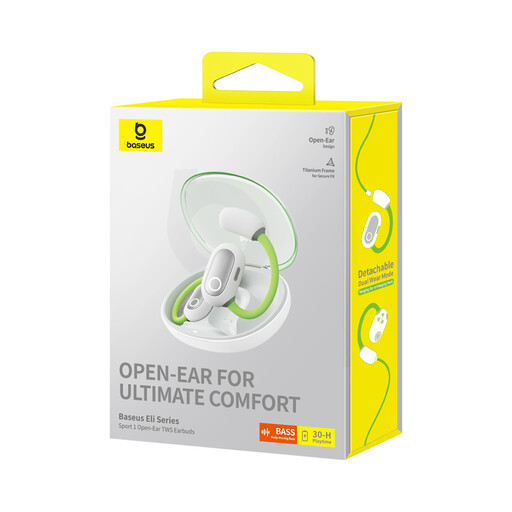
Why it suits this profile: This model is designed for open-ear listening during sport and everyday use, without earbuds sitting inside the ear canal.
The specifications clearly state the open-ear design and approximately 7 to 8 hours of playback at 70 per cent volume. The model is not described as waterproof, so it is not the obvious choice for swimming.
Bluetooth 5.3, 16.2mm driver, USB-C and approximately 30 hours of total playback with the charging case, according to the product information.
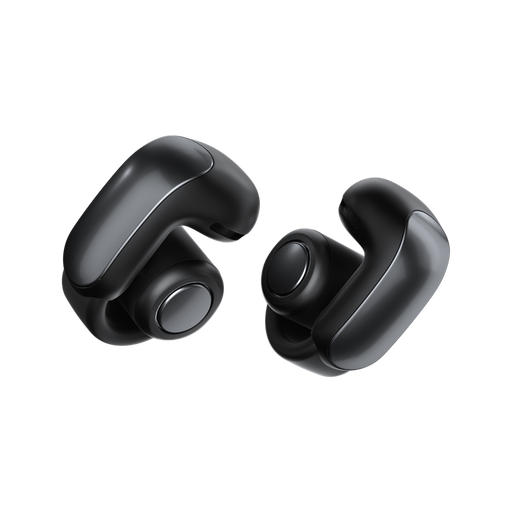
Why it suits this profile: An open design, Bluetooth 5.3 and a stated playback time of up to 7 hours make this model suitable for music, calls and everyday use.
The IPX4 classification makes it clear that this model is splash-resistant, not suitable for swimming. This helps you avoid choosing headphones for the wrong sporting application.
Open-ear construction, Bluetooth 5.3, IPX4 and an included charging case with USB-C cable, according to the product details.
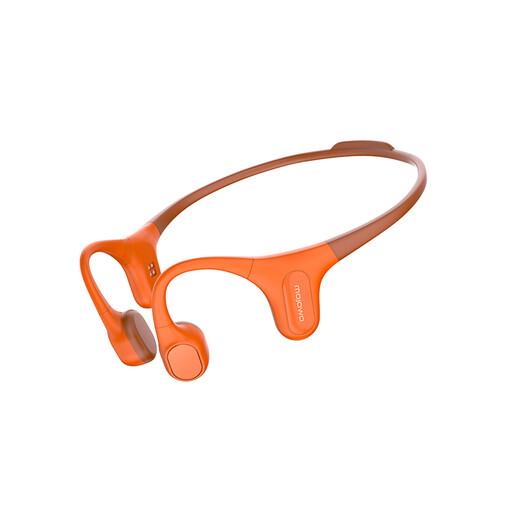
Why it suits this profile: This bone conduction model is designed for running, swimming, cycling and training sessions where you do not want to use a smartphone constantly.
The product information lists IP68 and 32 GB of storage. This means you are not entirely dependent on Bluetooth while swimming, although you must dry the charging contacts completely.
Bone conduction, open-ear design, 32 GB of MP3 storage and IP68 according to the stated product specifications.
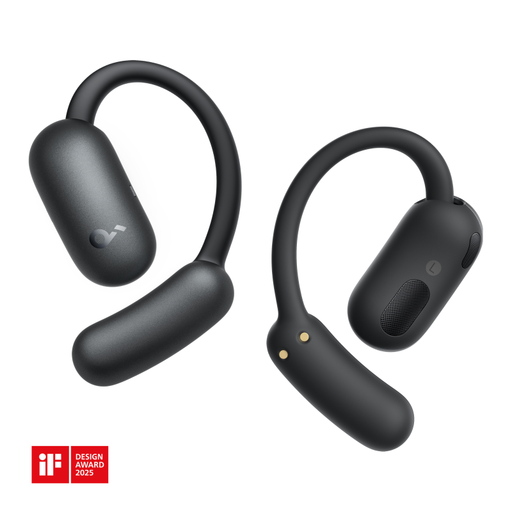
Why it suits this profile: The combination of open-ear speakers, buttons, Bluetooth 5.4 and two microphones is well suited to calls, music and workouts.
The IP55 classification is clearly stated and is suitable for sweat and light exposure to water. This classification is not intended for swimming.
Bluetooth 5.4, two microphones, button controls, IP55 and a charging station with a stated capacity of 750 mAh.
We have put together a complete, up-to-date list of products that fully meet these strict selection criteria and the applicable European safety regulations.
First charge the headphones and switch on Bluetooth on your smartphone. For models with a charging case, open the case and remove the earbuds. Select the product name in your Bluetooth settings. The next time you use them, many models will reconnect automatically. If you experience problems, check whether the device is already connected to another phone.
Playback time per charge is often around 6 to 8 hours, depending on the volume, microphone use and additional features. A charging case can extend the total playback time. The battery’s overall lifespan depends on charging cycles, heat and storage conditions. For this reason, do not leave your headphones in direct sunlight or in a very hot car for extended periods.
Active noise cancellation can reduce ambient sound, so it is not always suitable for cycling, running alongside roads or crossing the street. A transparency mode can let ambient sound through, but this feature is no substitute for staying alert in traffic. Choose an open-ear design if awareness of your surroundings is an important buying criterion, and keep the volume at a moderate level.
