
Vandaag of morgen in huis

Kwaliteit gegarandeerd

Welkomstaanbiedingen ontgrendelen: GRATIS bezorging | Tot 80% korting | Gratis 30 dagen JoyPlus-proefperiode
Download de app
Want to listen to music while running, cycling or travelling without completely shutting yourself off from your surroundings? Wireless open-ear earbuds could be a practical option. They rest on or around your ear rather than sitting deep inside the ear canal. This means that surrounding sounds, such as traffic or a bicycle bell, can remain easier to hear.
Even so, the range often looks more straightforward than it really is. Terms such as “noise cancelling”, “bone conduction” and “waterproof” are not always used consistently. Below, you’ll find what to look out for before buying open-ear Bluetooth earbuds.
Open-ear earbuds generally let in more surrounding sound than in-ear models. However, volume, fit, wind noise and the shape of your ear all have a significant impact. When cycling along a busy road or running in an urban area, you still need to stay alert.
A product with active noise cancellation can actually reduce surrounding sounds. According to the product descriptions of some brands, ANC is available, but its performance may vary depending on the mode and situation. So check whether you really want an open design that lets you hear your surroundings, or whether you are actually looking for sound isolation.
The IP rating indicates the conditions against which a device is protected under specific test conditions. IPX4 is designed to protect against splashes and sweat, not submersion. A model with IP55 offers protection against dust and water jets under the stated conditions, but it is not automatically suitable for swimming either.
For swimming or prolonged submersion, you should specifically look for a product with a suitable rating, such as IP68, and follow the manufacturer’s instructions. The Mojawa RunPlus product information mentions IP68; however, check the restrictions on swimming and charging before you buy.
A stated battery life may refer to a single full charge, the total including the charging case, or a specific test carried out at a particular volume. For example, according to the product details, the Sanag G6S offers up to approximately 26–48 hours with the case, depending on the usage mode. The individual earbuds will naturally play for less time.
Also check the charging connection, charging time and whether the case is easy to carry around. A long total battery life is particularly useful if you travel frequently or take part in several sports sessions each week.
For sports earbuds, how securely they stay in place is more important than a striking design. An earhook, ear clip or flexible silicone hook can prevent an earbud from moving while you exercise. Lightweight wireless earbuds are often more comfortable when running, but an extremely low weight does not automatically mean that the fit will work well for every ear.
According to the product information, the Sanag G6S weighs approximately 5.6 grams per earbud. The TALIX G1 is listed at approximately 5.2 grams per earbud and features a silicone ear hook. Figures like these can be compared objectively, but comfort remains a personal matter. Check that the construction rests securely on your ear without creating pressure points.
Bluetooth 5.3 or Bluetooth 5.4 can contribute to a stable connection and lower energy consumption, but your actual experience also depends on your phone, distance and any obstacles. As well as the Bluetooth version, check the range and whether features such as multipoint or an app are supported.
A model with Bluetooth 5.3 is generally suitable for music, podcasts and phone calls over short distances. For everyday use on the train, in the office and during fitness sessions, a reliable connection is more important than a marketing claim about extremely low latency.
If you also want to use the earbuds for calls, it is worth checking the number of microphones and how noise is reduced. According to the product description, the TALIX G1 has a four-microphone array and ENC noise reduction for calls. This is a product specification, not a guarantee that every caller will experience the same level of clarity in every noisy environment.
The controls also matter. Touch controls can be convenient while exercising, but check whether you can control the volume, music and calls separately. A large driver can produce greater sound pressure, but on its own it does not say enough about the final sound quality.
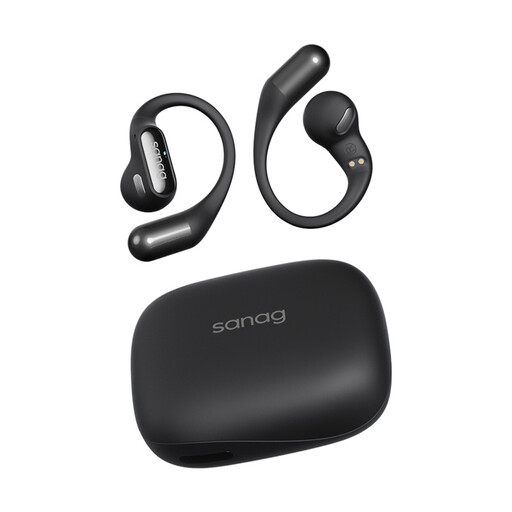
Why it suits this profile: This model combines an open-ear hook design with a weight of approximately 5.6 grams per earbud. This makes it suitable for walking, fitness and short running sessions.
The product information lists Bluetooth 5.3 and IPX4. This makes the features clearer than a general claim about waterproofing; IPX4 is intended for sweat and light rain.
Approximately 5.6 grams per earbud, touch controls, Bluetooth 5.3 and a stated total battery life of around 26–48 hours with the case.
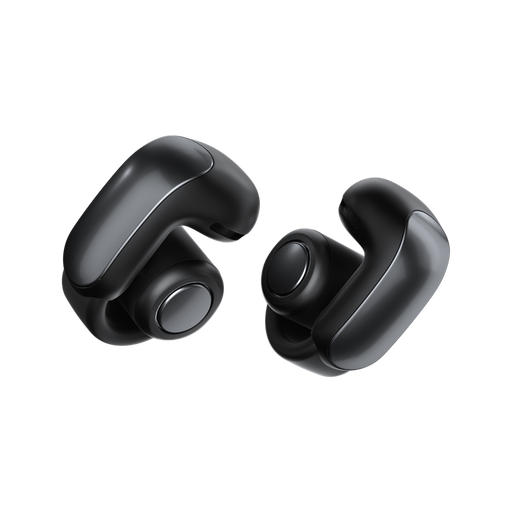
Why it suits this profile: This open-ear model is designed for everyday use, conversations and moments when you want to combine music with awareness of your surroundings.
The stated features are specific: Bluetooth 5.3, approximately 7 hours of playback time and IPX4. The IPX4 rating helps prevent you from mistakenly considering the product suitable for submersion.
Open design, Bluetooth 5.3, stated battery life of up to approximately 7 hours and IPX4 water resistance according to the product details.
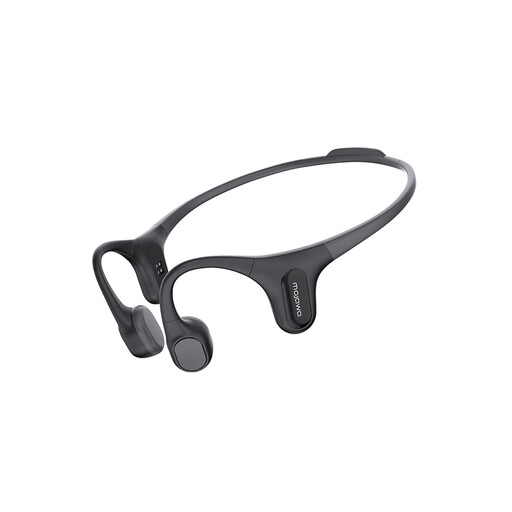
Why it suits this profile: This model is aimed at runners, fitness enthusiasts and swimmers looking for bone conduction headphones with built-in storage and a secure fit.
The product listing mentions IP68 and 32 GB of storage. Before using the device in water, always check the manual and only charge it once all connections are completely dry.
According to the product details: 32 GB MP3 storage, an IP68 rating and a design that provides a secure fit for sport and everyday use.
We have put together a complete, up-to-date list of products that fully meet these strict selection criteria and the applicable European safety regulations.
Yes, they can be suitable if you want to listen to music while also remaining aware of surrounding sounds. Choose a model with an ear hook or clip-on design, and check that its water resistance is suitable for sweat and rain. Keep the volume at a moderate level and stay alert to traffic and other people exercising.
Open-ear earbuds generally position the speaker near or above the ear without blocking the ear canal. Bone conduction headphones use a different design, transferring sound through contact with the head. Product names sometimes use these terms broadly, so always check the technical description and images.
This depends on usage, charging habits, temperature and battery capacity. Compare playback time per charge with the total time including the case. Charge the earbuds using the recommended cable, avoid prolonged exposure to heat and do not use them at high volume for extended periods. An IP rating also does not protect against every form of moisture or wear.
