
Vandaag of morgen in huis

Kwaliteit gegarandeerd

Welkomstaanbiedingen ontgrendelen: GRATIS bezorging | Tot 80% korting | Gratis 30 dagen JoyPlus-proefperiode
Download de app
Wireless open-ear earbuds leave your ear canal unobstructed. This means you can listen to music or conversations while still hearing the sounds around you. That’s useful when you’re out for a walk, at the office or on public transport. However, not every open-ear model is right for every situation.
Marketing copy often focuses on features such as AI, noise cancellation or bone conduction. But the practical experience can vary considerably. So pay particular attention to fit, water resistance, microphones and battery details.
Open-ear headphones usually sit on or around your ear. This can be comfortable when you’re walking, but a loose-fitting model may shift during a run or more vigorous exercise. An ear hook, clip-on design or flexible ring can provide a more secure fit.
Check the weight, too. A lightweight model isn’t necessarily more comfortable: the shape and pressure distribution also affect how it feels over longer periods.
An IPX4 rating generally means protection against splashes, such as sweat or light rain. It doesn’t mean a product can be submerged. IPX5 offers greater protection against water jets, but it still doesn’t mean the product is suitable for swimming.
Check the difference between the earbuds and the charging case. Some Bluetooth earbuds are splash-resistant, while the case needs to stay dry. Also, make sure the charging contacts are completely dry before connecting a magnetic or USB charger.
Active noise cancellation works best with models that seal off the ear canal. With true open-ear earbuds, ambient sound is deliberately part of the listening experience. A product may offer microphone noise reduction for calls, but that’s different from active noise cancellation for music.
Some brands state that their software can reduce background noise during calls. Treat this as a manufacturer’s product specification, not a guarantee of clear calls on every street or in every gust of wind.
When choosing earbuds for calls, the number of microphones matters, but so do their placement and wind protection. For example, the product information lists two microphones for the Soundcore C40i and AeroFit 2. The Soundcore AeroClip is listed with four beamforming microphones and a wind-blocking mesh.
More microphones don’t automatically mean that every voice will sound clearer. Compare the stated microphone configuration with how you plan to use the earbuds: working from home calls for different features from calls during a bike ride. Don’t use headphones while cycling if you need full awareness of your surroundings, and always follow the rules of the road.
Check the difference between:
Claimed battery life usually depends on volume, connection, codec and features. According to Baseus’s own measurements, the Eli Sport 1 can play for around 7 to 8 hours at a certain volume; actual use may vary. So don’t just look at the highest figure: consider the charging method and ease of use, too.
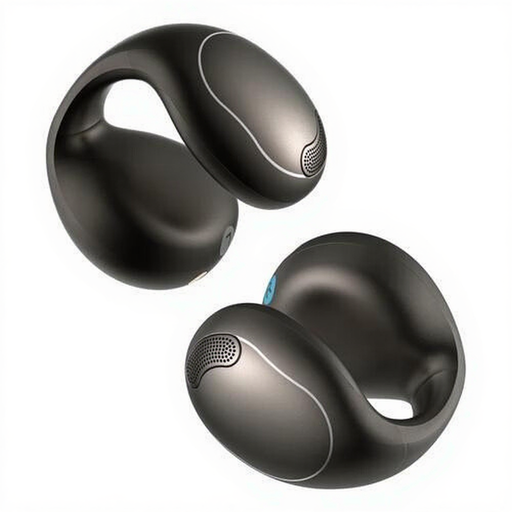
Why it suits this profile: A practical open-ear option for calls, music, sport and everyday use, with Bluetooth 5.4 and physical buttons.
The IPX4 rating makes it clear that the earbuds are resistant to splashes and sweat, not submersion.
Two microphones, button controls, Bluetooth 5.4 and a charging dock, according to the product specifications.
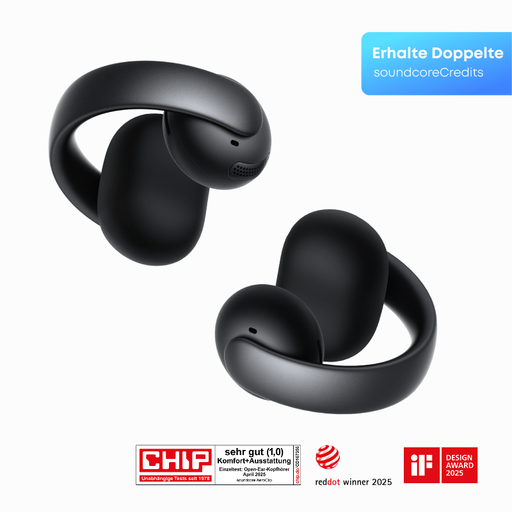
Why it suits this profile: The clip-on design is made for extended wear while commuting, walking, exercising and making calls.
The flexible open-ring design is intended to stay securely around your ear better than a loose on-ear model.
The product information lists Hi-Res Audio, a 12 x 12 mm driver and four beamforming microphones.
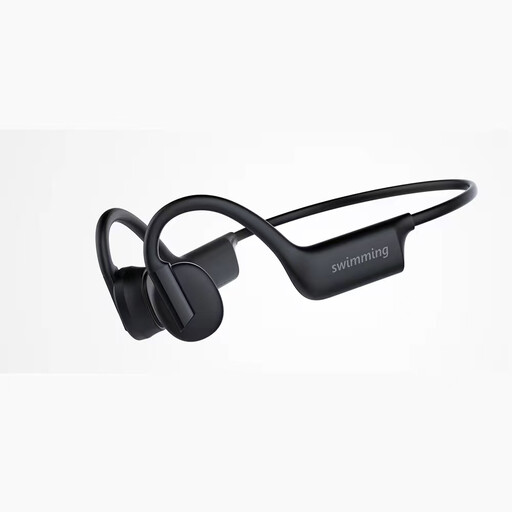
Why it suits this profile: Designed for users looking for a model for sport and swimming, with built-in storage and a higher water-resistance rating.
The stated IPX8 rating comes with specific instructions: use in fresh or swimming-pool water, and dry the charging contacts completely.
According to the product specifications: 32 GB storage, Bluetooth, up to around 8 hours of battery life and IPX8 water resistance.
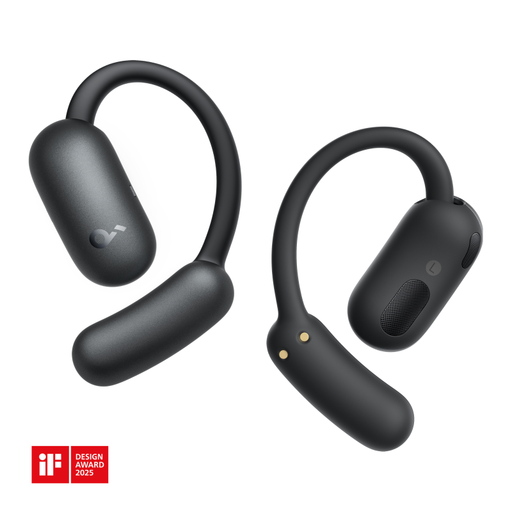
Why it suits this profile: An open-ear model for everyday use, calls, music and sport, with a higher stated battery capacity.
The IP55 rating sets clearer limits than general terms such as “sport-proof”; heavy rain and submersion are outside the stated intended use.
Bluetooth 5.4, two microphones, button controls, IP55 and a charging dock, according to the product specifications.
We’ve put together a complete, up-to-date list of products that meet these strict selection criteria and the applicable European safety regulations.
It depends on the design. Clip-on earbuds and models with an ear hook generally stay more secure than loose-fitting on-ear models. Check the IP rating, too. IPX4 may be sufficient for sweat and light rain, while more intensive outdoor use calls for a higher rating. No rating replaces careful use and proper maintenance.
Charge the earbuds first, open the Bluetooth settings on your smartphone and select the product name. The case or a button may be needed to activate pairing mode the first time you connect. If the connection doesn’t work, remove the old pairing from your phone and try again. Always check the manual for instructions specific to your model.
Battery life per charge is different from the overall lifespan of the product. Batteries wear out over time due to charging cycles, heat and being left fully discharged for long periods. Store the earbuds somewhere dry, charge them with the supplied cable or recommended adapter, and avoid prolonged exposure to high temperatures. When buying, check the warranty and the manufacturer’s available product information, too.
