
Vandaag of morgen in huis

Kwaliteit gegarandeerd

Welkomstaanbiedingen ontgrendelen: GRATIS bezorging | Tot 80% korting | Gratis 30 dagen JoyPlus-proefperiode
Download de app
Wireless noise-cancelling headphones can make train journeys, office hours and time at home more comfortable. However, a steep discount or a high decibel figure does not automatically mean a model suits the way you use it. The key differences often come down to battery life with ANC enabled, wearing comfort, microphone quality and how Bluetooth devices are paired.
This buying guide helps you compare marketing claims with verifiable product specifications. That way, you avoid paying for features you are unlikely to use.
Manufacturers often highlight the longest playback time, usually with ANC switched off. In practice, active noise cancellation is precisely what you use during a train journey, flight or busy working day. Always check both figures.
Examples from the available product information:
Actual battery life may vary depending on volume, codec, calls and ambient-sound features.
A claim such as “-45 dB” does not automatically indicate how quiet every environment will become. Low-frequency rumbles, such as train or aircraft noise, are processed differently from voices or sudden sounds. Fit also matters: if the ear cushions do not seal properly, ambient noise can leak in.
Check whether the model offers multiple ANC modes, a transparency mode or adjustable settings. According to the product description, the Baseus EH10 NC, for example, offers hybrid ANC with a stated reduction of up to -45 dB. Treat this as a product specification, not a guaranteed result in every situation.
Over-ear headphones may start to feel uncomfortable around your crown or ears after an hour. Consider the weight, the shape of the ear cushions, headband adjustment and whether replacement cushions are available.
For comparison:
Lower weight does not automatically mean greater comfort. Pressure distribution, as well as your glasses, hairstyle or head shape, also play a role.
Active noise cancellation, commonly referred to as ANC, uses microphones to detect ambient sound and generate an opposing signal. This differs from the passive isolation provided by the ear cushions. Ideally, good ANC headphones should offer:
Do not use ANC when you need to hear traffic, cyclists or other warning signals clearly.
Bluetooth headphones work with virtually any modern smartphone, tablet or laptop. Still, check the Bluetooth version and supported codecs. SBC and AAC are widely compatible. LDAC, aptX Lossless and similar options can support higher audio quality, but both your source device and streaming service must support the codec.
Multipoint is useful when you want to stay connected to your laptop and phone at the same time. For example, you can pause music automatically when an incoming call arrives. Check that multipoint is explicitly listed in the specifications; Bluetooth 5.3 or 5.4 alone does not guarantee the feature.
Hi-Res Audio headphones may appeal to listeners who use compatible music files and devices. Also check whether the headphones include a 3.5mm cable or USB-C audio. Wired listening can be useful when the battery runs out, but not every USB-C port supports audio signals.
For online meetings, headphones with a microphone are more practical than a model designed primarily for music. Look at the number of microphones and any features for reducing noise during calls. Phrases such as “AI-enhanced clear calls” come from brand product descriptions; call quality also depends on wind, network conditions and the app being used.
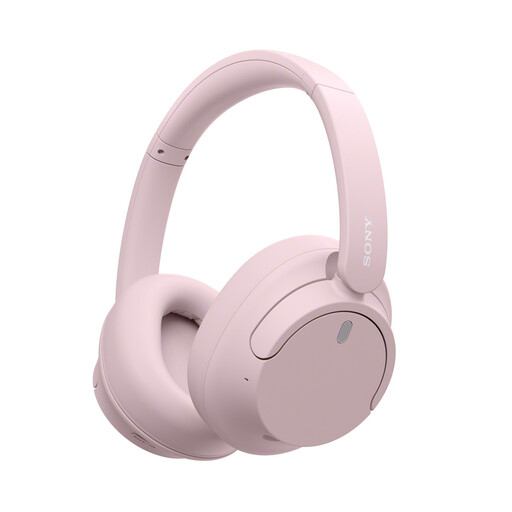
Why This Fits Their Persona: Lightweight over-ear headphones for everyday use, podcasts, commuting and calls.
The product information lists battery life separately with and without ANC. Check the current listing carefully, as the stated maximum differs between the description and the specification table.
192 grams, Bluetooth 5.2, multipoint and up to 35 hours with noise cancellation according to the product data.
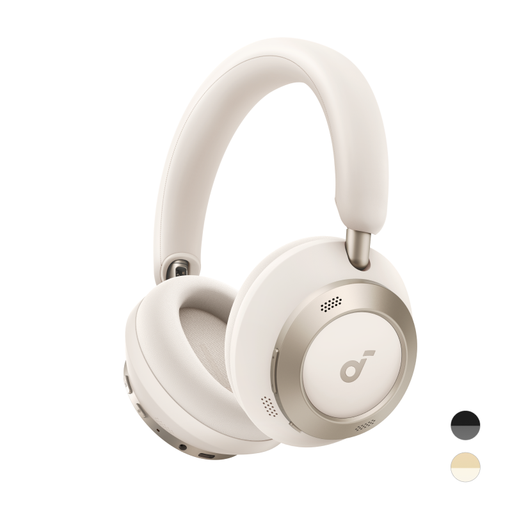
Why This Fits Their Persona: Ideal for listeners who want to combine high-quality wireless audio, a foldable design and extended listening sessions.
The stated battery life is broken down into 60 hours without ANC and 40 hours with ANC. The fast-charging capability is also described in specific terms.
LDAC, foldable design, six microphones according to the product description, and 5 minutes of charging for up to 8 hours of playback.

Why This Fits Their Persona: A strong choice for long working days, travel and users who regularly switch between music, podcasts and phone calls.
The product information specifies a separate transparency mode and adaptive ANC. This lets you hear your surroundings without removing the headphones.
Up to 60 hours of battery life according to the product description, four microphones and both Bluetooth and a 3.5mm cable.
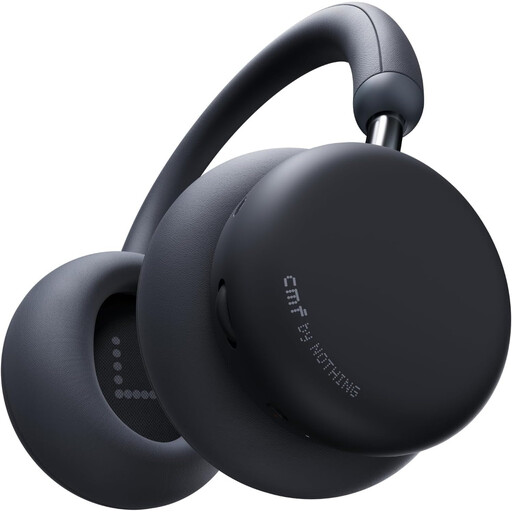
Why This Fits Their Persona: For users who prioritise long battery life, app-based settings, LDAC and multiple ANC modes.
The stated battery life separately lists 100 hours without ANC and 48 hours with ANC. Four ANC modes make the feature more meaningful than a single reduction figure alone.
40mm drivers, Bluetooth 5.4, LDAC and 5 minutes of charging for up to 8 hours of playback according to the product data.
Explore a current selection of products with active noise cancellation, wireless connectivity and a range of battery-life and comfort specifications for use in the Netherlands.
Many models allow you to switch on ANC without playing music, but the exact functionality varies by product. For music, you generally need Bluetooth or a cable. Also check whether ANC remains available when the battery is nearly empty.
Lifespan depends on the hinges, ear cushions, battery usage and maintenance. Store the headphones in a dry place, charge them with a suitable USB cable and avoid high temperatures. A model with replaceable ear cushions may remain practical for longer. The battery itself is built in and is generally not intended to be replaced at home.
Yes, usually. ANC relies on microphones and electronic processing, so playback time with noise cancellation is lower than without it. Always compare the “with ANC on” figure and choose headphones with fast charging if you use them frequently while travelling.
