
Vandaag of morgen in huis

Kwaliteit gegarandeerd

Welkomstaanbiedingen ontgrendelen: GRATIS bezorging | Tot 80% korting | Gratis 30 dagen JoyPlus-proefperiode
Download de app
Wireless noise-cancelling headphones can be a great choice on the train, at the office or at home. But a high price or an impressive decibel rating doesn’t tell you everything. Some models become uncomfortable after an hour, have a much shorter battery life with ANC switched on, or deliver less clear voice quality during phone calls.
If you’re looking for Bluetooth headphones, it’s worth looking beyond the brand and promotional claims. Below, you’ll find the key things to consider, along with some models to suit different needs.
Manufacturers often quote the longest battery life under specific conditions. With active noise cancellation, high volume, phone calls and a stable Bluetooth connection, actual listening time may be shorter.
So always compare:
Headphones with long battery life are especially useful for travelling and long working days, but check how long they take to charge, too.
Active noise cancellation uses microphones and electronics to reduce mainly constant background sounds, such as the noise of a plane, train or air conditioning. Voices, sudden sounds and traffic may still be audible.
A good fit is just as important. Gaps around the ear cushions reduce passive sound isolation. Transparency mode is handy when you want to hear an announcement or have a quick chat. Use this feature, too, when you need to remain aware of enough surrounding noise in traffic.
Over-ear headphones can feel heavy if the headband or ear cushions don’t fit well. Consider the weight, how freely the ear cups move, the pressure on your head and the space around your ears.
Soft cushions don’t automatically make a model suitable for everyone. Glasses, a larger head or a warm environment can affect the fit. Also check whether the headphones fold up and come with a protective case.
Check whether the model has active noise cancellation and whether you can switch between ANC, normal listening and transparency mode. Multiple microphones and voice noise reduction are useful for calls and online meetings. Treat marketing claims about a specific percentage of noise reduction as claims made by the brand, not as a universal guarantee.
Headphones with a microphone are suitable for calls, but quality also depends on wind, background noise, the app you’re using and your Bluetooth profile.
Bluetooth 5.2, 5.3 or 5.4 mainly tells you about the connection technology; it doesn’t determine sound quality on its own. Also check which codecs are supported, such as SBC, AAC, LDAC or aptX Lossless. Your phone and music service need to support the same codec for you to benefit from it.
Multipoint is useful if you want to connect a laptop and smartphone at the same time. Check that this feature is actually listed in the product specifications. A 3.5mm connection can come in handy on a plane, while gaming or when the battery runs out.
A lighter model isn’t automatically more comfortable, but weight does matter during long listening sessions. As a guide, the models available range from around 192 grams for the Sony WH-CH720N to 380 grams for the Bose QuietComfort Ultra. At around 670 grams, the Dyson Zone models are considerably heavier, which may be a drawback for some users.
For headphones for music, work and travel, it’s also worth considering the controls, foldable design, app support and whether the cable is replaceable or well protected.
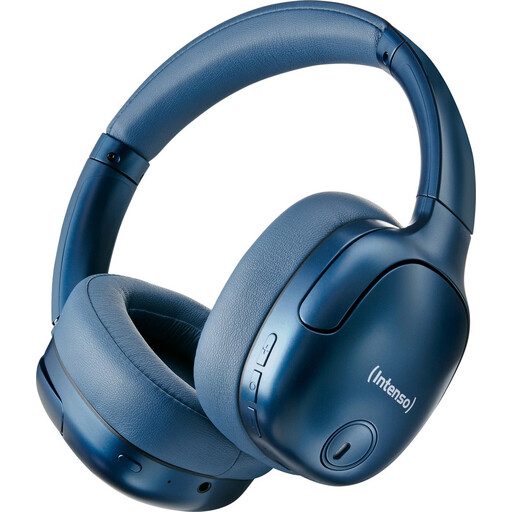
Why it suits this profile: This model combines ANC, Bluetooth 5.3 and a 3.5mm connection for everyday use, music and travel, without complicated controls.
The stated battery life is up to 75 hours, and you can use the headphones with a cable when charging isn’t convenient.
Bluetooth 5.3, hybrid ANC, a foldable design, a weight of 248 grams and fast charging, according to the product specifications.
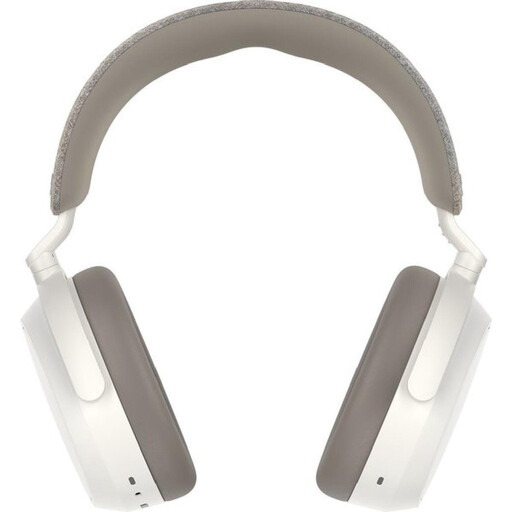
Why it suits this profile: A good fit for listeners who value sound customisation, long listening sessions and a feature-rich app.
The manufacturer quotes up to 60 hours of playback and adaptive ANC. The Smart Control app offers EQ and sound settings.
42mm transducers, four microphones, transparency mode and support for wired listening.
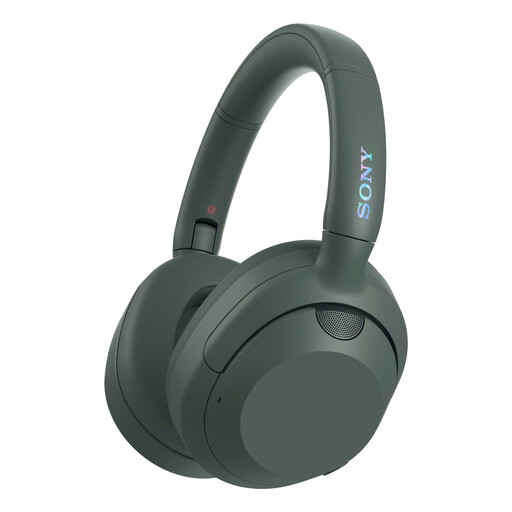
Why it suits this profile: A good choice for users who want to combine powerful bass, noise cancellation and a connection to two devices.
The product specifications state 30 hours of battery life with noise cancellation and the option to use a cable, giving you more flexibility in how you listen.
ULT1 and ULT2 sound modes, Bluetooth 5.2, multipoint and a microphone for hands-free calls.
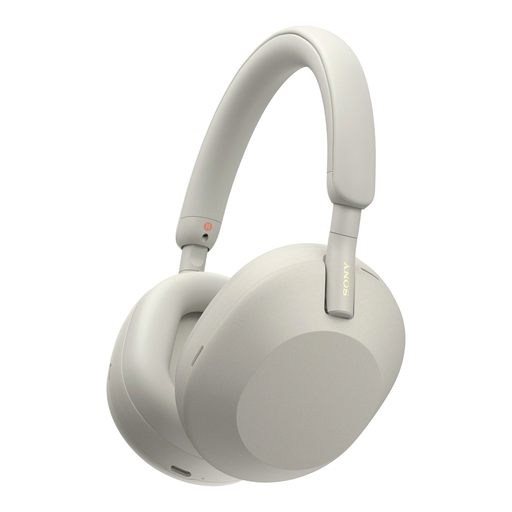
Why it suits this profile: This model is well suited to commuting, long-haul flights and working with two connected devices.
According to the product information, battery life is up to 30 hours with noise cancellation and up to 40 hours without it.
Bluetooth 5.2, multipoint, app controls, LDAC support and a supplied carry case, according to the product specifications.
We’ve put together a complete, up-to-date list of products that meet these strict selection criteria and the applicable European safety regulations.
Yes, especially for constant noise on a train, plane or bus. Choose a model with a good fit, transparency mode and enough battery life with ANC switched on. For long journeys, bring a cable or power bank, too.
It varies by model and settings. Across the models discussed, stated battery life with ANC ranges from around 24 to 60 hours. Volume, phone calls, Bluetooth codec and temperature all affect actual battery life.
Not necessarily. A newer Bluetooth version may offer benefits in terms of efficiency and connectivity, but sound quality also depends on the codec, source device, speakers and tuning. So compare the full product specifications rather than looking at the Bluetooth number alone.
