
Vandaag of morgen in huis

Kwaliteit gegarandeerd

Welkomstaanbiedingen ontgrendelen: GRATIS bezorging | Tot 80% korting | Gratis 30 dagen JoyPlus-proefperiode
Download de app
Wireless noise-cancelling headphones can be ideal on the train, in the office or at home. However, a high price or a well-known brand name does not automatically mean a model will suit the way you use it. The difference often comes down to fit, battery life, microphone quality and how noise is reduced.
Pay particular attention to these three pitfalls:
Active noise cancellation, usually referred to as ANC, uses microphones and electronic processing to reduce environmental noise. It generally works best with constant sounds, such as the hum of a train, aeroplane or ventilation system. Voices and sudden sounds may still be audible.
A transparency mode allows environmental sound through instead. This is useful when you want to have a conversation in the office or safely hear what is happening around you. Do not use noise cancellation while driving, cycling or in other situations where awareness of your surroundings is essential.
Bluetooth headphones are not automatically suitable for every activity.
Compare battery life under the same conditions. A model offering 35 hours of playback without ANC is not directly comparable with one claiming 30 hours with ANC. Fast charging may be more important than a large total figure alone: according to the product description, five minutes of charging can already provide around an hour or more of listening time on some models.
For working and home use, a multipoint connection is useful. This allows headphones to be connected to, for example, a laptop and smartphone at the same time. Also check the Bluetooth version, codec support and the quality of the built-in microphone if you regularly make calls or attend meetings.
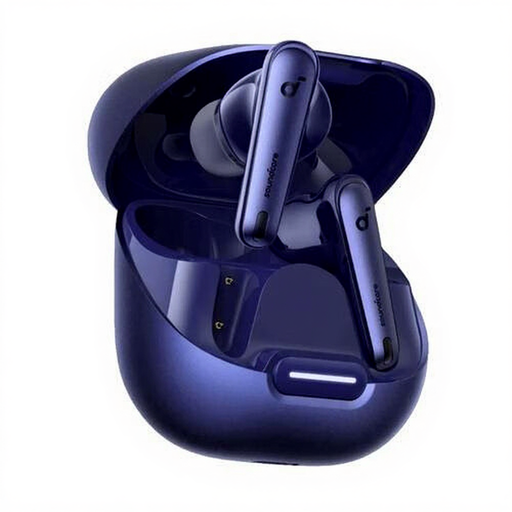
Why it suits this profile: These true wireless in-ear earbuds combine Bluetooth 5.3, ANC and a charging case in a compact design for everyday use and commuting.
The product information states both the earbuds' playback time and the presence of a case. The IPX4 rating makes it clear that they are splash-resistant, not suitable for swimming.
Up to 10 hours of playback per charge according to the product specification, Bluetooth 5.3, six microphones and USB-C charging.
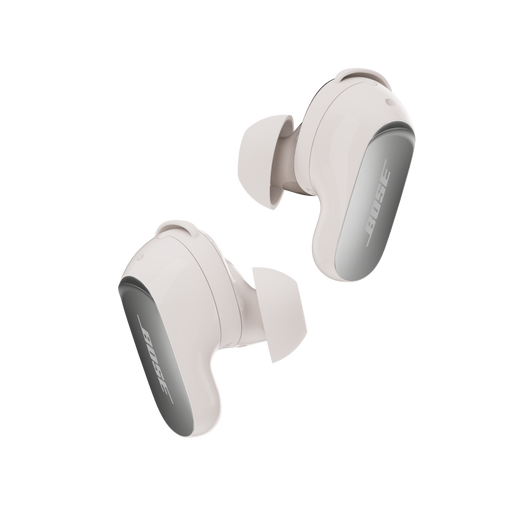
Why it suits this profile: Suitable for users who value a versatile in-ear fit, active noise cancellation and spatial audio when listening to music, travelling and making calls.
The included fit kit contains three ear-tip sizes and stability bands. This lets you adjust the seal rather than relying solely on the brand's noise-cancellation claim.
Bluetooth 5.3, multipoint pairing, USB-C and wireless charging; the stated listening time is up to 6 hours per charge.
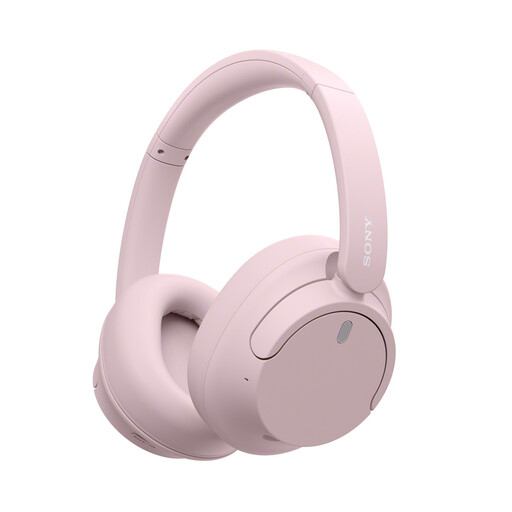
Why it suits this profile: These lightweight over-ear headphones are designed for long listening sessions, working and travelling. Multipoint makes it easy to switch between a laptop and smartphone.
The specifications distinguish between battery life with and without ANC: up to 35 hours with noise cancellation and up to 50 hours without it, according to the product description.
Weighing 192 grams, with Bluetooth 5.2, USB-C and multipoint connectivity; the headphones also have a built-in microphone for calls.
Choose wireless earbuds when you want to carry as little as possible, are often on the move or are looking for a compact solution. When exercising, check the IP rating and how securely they fit in your ears. For an Android phone, models with an Android app and multipoint are often practical; Apple users may benefit from extra integration with AirPods, although Bluetooth pairing with other devices remains possible depending on the model.
Over-ear headphones are generally better suited to long train journeys, working from home and listening to music. The larger ear cushions can offer greater comfort, but they also take up more space. Look for foldability, weight and how warm they may feel around your ears.
For anyone who mainly attends meetings, headphones with a microphone are more important than a very high-end audio codec. Check whether the microphone reduces wind and background noise, and whether the model works well with your laptop and calling application.
We've put together a complete, up-to-date list of products that fully meet these strict selection criteria and the applicable European safety regulations.
Yes. With many models, you can switch on ANC without playing audio. The microphones and electronic processing then attempt to reduce environmental noise. The effect varies by model and surroundings. Constant low tones are generally processed differently from voices or sudden sounds.
Lifespan depends on usage, charging habits, software and the built-in battery. A battery loses capacity over time. Do not store headphones completely flat for long periods, and avoid high temperatures. The statutory guarantee in the European Union is generally at least two years, but check the seller's terms and conditions and the specific product.
Usually. The microphones and processing required for active noise cancellation use additional power. Always compare two figures: playback time with ANC switched on and playback time without ANC. A fast-charging function and a charging case can extend practical usage time while you're out and about.
