
Vandaag of morgen in huis

Kwaliteit gegarandeerd

Welkomstaanbiedingen ontgrendelen: GRATIS bezorging | Tot 80% korting | Gratis 30 dagen JoyPlus-proefperiode
Download de app
Wireless noise-cancelling headphones can be ideal on the train, in the office or during a long flight. However, a high decibel figure on the packaging does not tell you everything. Some models become uncomfortable after an hour, lose battery capacity quickly or offer active noise cancellation that only works well in certain situations.
As a Joybuy Product Recommendation Officer, I filter the most important product specifications out of marketing copy. This helps you compare Bluetooth headphones based on the features that genuinely make a difference in everyday use.
Manufacturers often state battery life with ANC switched off. Active noise cancellation, higher volume levels and phone calls can all reduce actual usage time. Always compare both figures.
Headphones offering 60 hours without ANC and 40 hours with ANC may be more suitable for travelling in practice than a model that only quotes a long battery life without noise cancellation. Also look for fast charging: a few minutes of charging may be enough for your commute.
A claim such as “up to -45 dB” is not a universal measurement for every environment. The result depends on the fit, the ear seal and the type of sound. Low, consistent sounds from an aeroplane or train are generally different from voices, traffic or sudden noises.
According to Baseus’s own information, the EH10 NC can reduce noise by up to -45 dB. This is a figure supplied by the brand, not a guarantee for every user. You should therefore also look for a transparency mode and physical isolation from well-fitting ear cushions.
Hi-Res audio and codecs such as LDAC or aptX Lossless can technically support more audio data. However, your smartphone, source file and streaming service must also support the format. The available quality may be different over a standard Bluetooth connection.
A good fit, the drivers used, app settings and your personal preferences remain important. Also check whether a model has a wired input if you want to keep listening when the battery is flat.
Over-ear headphones completely surround the ear. This can help with passive sound isolation and often leaves room for larger ear cushions. The downside is a larger overall size and potentially more heat around your ears.
On-ear models rest directly on the ear and are usually lighter. However, the pressure may become more noticeable during extended use. Open-ear and air-conduction models let more ambient sound through, but they are not the same as headphones with full active noise cancellation. For this wearing style, also browse our air-conduction headphones category.
Headphones with active noise cancellation use microphones to detect ambient sound and create an opposing signal. Look out for:
More microphones do not automatically mean better call quality. Their positioning, the software and wind-noise reduction also play a role.
Check the battery life separately for ANC on and ANC off. USB-C is practical if you use the same cable for other devices. Fast charging is useful when travelling, but check how much playback time a short charge actually provides.
Bluetooth versions such as 5.2, 5.3 or 5.4 mainly provide information about the connection technology. They do not, on their own, indicate how good the music will sound. For everyday use, features such as multipoint, a 3.5mm jack and a companion app may be more important.
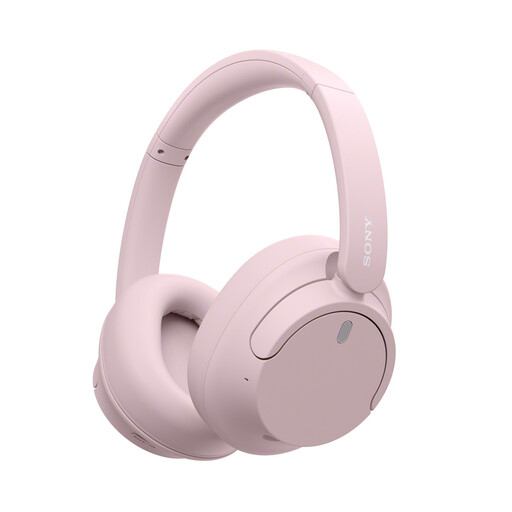
Why it suits this profile: Lightweight over-ear headphones for everyday use, travelling and calls, with Bluetooth and multipoint.
The product information lists separate usage times: up to 50 hours without ANC and 35 hours with ANC. This makes comparison clearer.
192 grams, USB-C, adjustable ANC via the Sony app and connection to two devices, according to the product description.
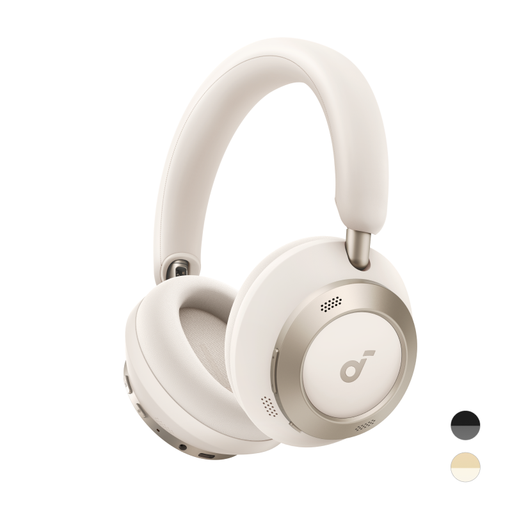
Why it suits this profile: For music lovers looking for foldable headphones with advanced audio technology and long battery life.
The listing states 60 hours without ANC and 40 hours with ANC, plus 8 hours of playback after 5 minutes of fast charging.
FlexiCurve folding design, LDAC support, six microphones and slow-rebound foam in the ear cushions.
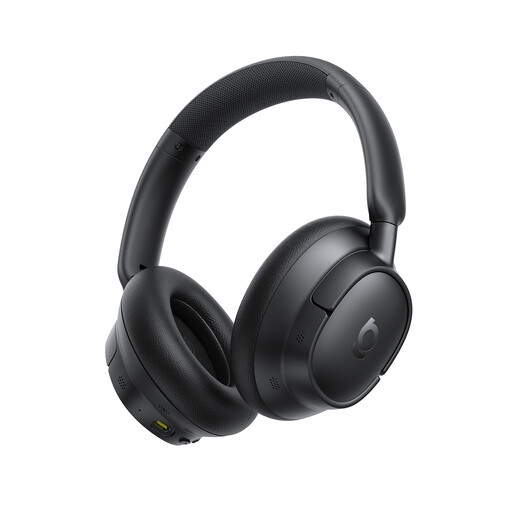
Why it suits this profile: For frequent travellers, homeworkers and users who need headphones for music and calls.
The stated 80 hours applies with ANC switched off; with ANC, the product text states 55 hours. You can therefore see the difference between both situations.
Hybrid ANC, LDAC, five microphones according to the listing and 10 hours of playback after 10 minutes of charging.

Why it suits this profile: For users who listen frequently and want to combine comfort, adjustable sound and plenty of battery life.
The product description mentions active and adaptive noise cancellation, a transparency mode and battery life of up to 60 hours.
42mm transducers, an app with equaliser, four microphones and use via a 3.5mm cable when the battery is flat.
We have put together a complete, up-to-date list of products that fully meet these strict selection criteria and the applicable European safety regulations.
First connect the headphones via Bluetooth and, if necessary, install the brand’s app. Turn the volume down before starting your music. Test ANC, transparency mode and the fit separately. If the ear cushions do not seal properly, ambient sound may still get in, even when ANC is switched on.
Usage time per charge varies depending on the model and settings. Battery lifespan depends, among other things, on charging habits, temperature and intensity of use. Keep the headphones dry, charge them with a suitable cable and never use a damaged battery or casing. Also check the statutory guarantee and returns policy before placing your order.
Yes. ANC uses microphones and electronic processing, which can reduce battery life. Always compare the figure with ANC switched on. For a long train journey or flight, a model with fast charging, a robust battery and, if necessary, a wired connection is practical. When cycling, driving or crossing the road, also stay aware of your surroundings; active noise cancellation does not reduce the risks posed by traffic.
