
Vandaag of morgen in huis

Kwaliteit gegarandeerd

Welkomstaanbiedingen ontgrendelen: GRATIS bezorging | Tot 80% korting | Gratis 30 dagen JoyPlus-proefperiode
Download de app
Wireless noise-cancelling headphones can be ideal on the train, at the office or during a long flight. However, a high price or impressive ANC figure does not automatically mean a model will suit the way you use it. Fit, battery life and connectivity often have more impact on your everyday experience than a striking marketing claim.
Some brands quote a maximum noise reduction figure, such as -44 or -45 dB. This figure refers to conditions stated in the product information and does not guarantee that every sound will disappear completely. Low, constant sounds such as train or aircraft engines are generally different from voices, traffic or sudden noises.
That is why you should check whether an ANC headset also has a transparency mode. This lets you hear surrounding sounds without taking the headphones off. It is useful at the station or during a conversation.
Claimed battery life can vary depending on ANC, volume, codec, phone calls and temperature. A model that claims, for example, 55 hours without noise cancellation may offer less usage time with ANC switched on. With wireless earbuds, the charging capacity of the case also matters.
Look out for these three details:
A heavy over-ear headset can provide a good seal, but may feel warm after several hours. An in-ear earbud is light and compact, but not every user finds the fit comfortable. So check the weight, the type of ear cushion and the sizes of the included ear tips.
A good fit is also important for sound isolation. If an earbud does not sit securely, you may need to turn up the volume. This puts unnecessary strain on your ears during prolonged listening.
Passive isolation is created by the ear cushions or the seal inside the ear. Active noise cancellation, often referred to as ANC, uses microphones and electronics to reduce surrounding noise. Alongside ANC, look for a transparency mode, wind-noise reduction and the option to adjust the intensity via an app.
According to product information from various brands, features such as AI noise cancellation, adaptive ANC or spatial audio can change how a product is used. Do not present these features as guaranteed results: performance depends on the device, surroundings, fit and compatible content.
Bluetooth 5.1, 5.3 or 5.4 provides information about the wireless connection, but not directly about sound quality. Also check which codecs are supported, such as SBC, AAC, LC3 or aptX Lossless. Your phone and streaming service must support the same codec for you to benefit from it.
Multipoint is useful if you want to connect to a laptop and smartphone at the same time. This allows you to listen to music while working and answer an incoming call without pairing again each time. For headphones for music and calls, microphones, wind-noise reduction and physical buttons are also important considerations.
A USB-C connection is practical because many Dutch households already use USB-C cables. Some models also offer a 3.5mm connection for wired listening. This can be useful on a plane or when the battery has run out.
Also check whether wireless charging, fast charging and a charging case are included. With true wireless earbuds, you should consider not only the battery life of the individual earbuds, but also the total capacity of the case.
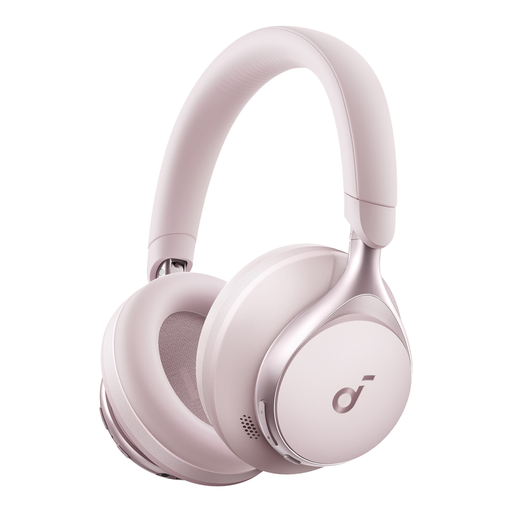
Why it suits this profile: This wireless over-ear model is designed for music, calls and everyday use. The headband and ear cushions are intended to remain comfortable during prolonged wear.
The product information mentions not only wireless connectivity, but also USB-C and up to 55 hours of battery life. When buying, check which settings this battery life applies to.
Over-ear design, Bluetooth, USB Type-C and up to 55 hours of battery life according to the product description.
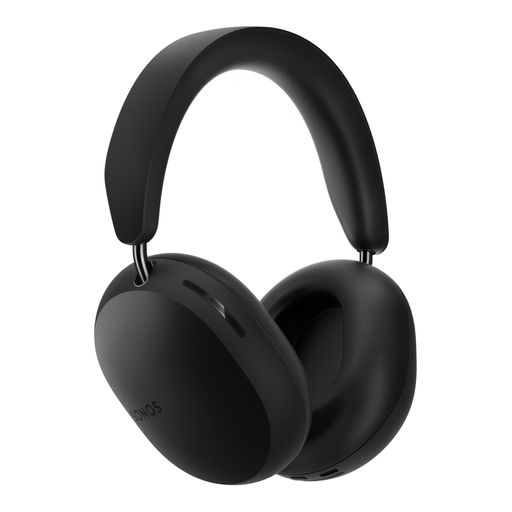
Why it suits this profile: Suitable for anyone who combines music, films and calls and values multiple connection options and app settings.
The product information mentions both ANC and Aware mode. This lets you choose between reducing surrounding noise and staying more aware of your surroundings.
Up to 30 hours of battery life with ANC according to the product information, multipoint, USB-C and a 3.5mm connection.
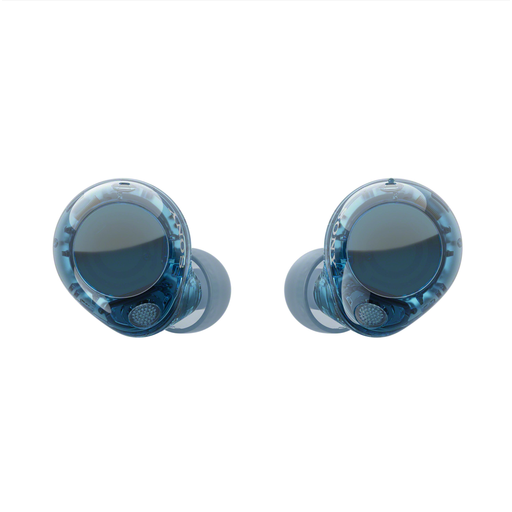
Why it suits this profile: These wireless earbuds are compact for commuting, travelling and light sporting activities.
According to the product information, the earbuds have a transparency mode, multipoint and an IPX4 rating. IPX4 does not mean they are suitable for swimming.
Bluetooth 5.3, USB-C, multipoint, touch controls and a charging case.
We have put together a complete, up-to-date list of products that fully meet these strict selection criteria and the applicable European safety regulations.
No. Sound isolation is created by the physical seal of a headset or earbud. Noise cancelling uses electronics to reduce certain surrounding sounds. In practice, the combination of the two often works differently depending on the fit and surroundings.
Usage time per charge varies by model and settings. The product’s lifespan also depends on the battery, hinges, ear cushions and exposure to moisture. Keep the headphones dry, charge them with suitable cables and avoid listening at a high volume for extended periods. In the EU, consumers generally have a minimum two-year legal guarantee; additional rights may apply.
For travelling, a foldable Bluetooth headset with long battery life is practical. For sport, lightweight in-ear earbuds are often more convenient. Always check the IP rating and do not use noise cancelling when you need to hear traffic or other warning signals clearly.
