
Vandaag of morgen in huis

Kwaliteit gegarandeerd

Welkomstaanbiedingen ontgrendelen: GRATIS bezorging | Tot 80% korting | Gratis 30 dagen JoyPlus-proefperiode
Download de app
Wireless noise-cancelling headphones can make journeys by train, time in the office or long-haul flights more comfortable. But a high dB rating or long battery life doesn’t tell the whole story. They may not feel comfortable to wear, the microphone may sound unclear, and some models only deliver their advertised listening time in ideal conditions.
Use this practical guide to focus on the features that make a difference in everyday use. Then explore a few models for different needs, from compact wireless noise-cancelling earbuds to over-ear headphones for travelling.
Manufacturers sometimes state that ANC headphones can reduce ambient noise by up to 44 or 46 dB, for example. This isn’t a universal comparison: the measurement method, frequency and fit all affect the result. Low bass sounds, such as a train engine, are often handled differently from voices or sudden noises.
So check whether the model also has a transparency mode, adjustable noise cancellation or an app. A brand’s product description may say that an algorithm adjusts the level automatically, but performance still depends on your surroundings and the fit.
Headphones with long battery life often quote a maximum figure without active noise cancellation. Listening time may be shorter when ANC, phone calls, high volume or multipoint Bluetooth are used at the same time.
When comparing models, check two figures:
A short quick-charge feature can also be more useful than a headline-grabbing maximum. The Sony WH-CH720N, for example, is listed as offering up to 35 hours with noise cancellation and a quick-charge feature. Always check the latest specifications on the product page.
Lightweight in-ear headphones are easy to carry, but not everyone finds earbuds comfortable. Over-ear headphones may offer more passive noise isolation, but they can get warm more quickly and take up more space.
So check:
An IP54 or IP57 rating doesn’t mean you can submerge the product. Always follow the manufacturer’s safety instructions.
Active Noise Cancelling, usually shortened to ANC, uses microphones to detect ambient noise and produce opposing sound waves. The effect varies from person to person and from one environment to another. A good seal around the ear cushions or ear tips is still important.
A transparency mode is useful for cycling, walking in busy traffic or any situation where you need to stay alert. Don’t use noise-cancelling headphones while driving, cycling or operating machinery when it’s important to hear what’s happening around you.
Bluetooth headphones connect wirelessly to a phone, tablet or laptop. Bluetooth versions such as 5.2 or 5.4 tell you about the connection technology used, but don’t automatically guarantee better sound quality.
Pay particular attention to:
Not every phone supports every codec. A feature such as LDAC will only work if both the headphones and the source device support it.
If you want headphones for music and calls, multiple microphones and noise reduction for calls are worth considering. A brand’s description may mention AI-optimised calls or background noise filtering. Treat these as product claims and check the practical specifications too: the number of microphones, app support and multipoint connectivity.
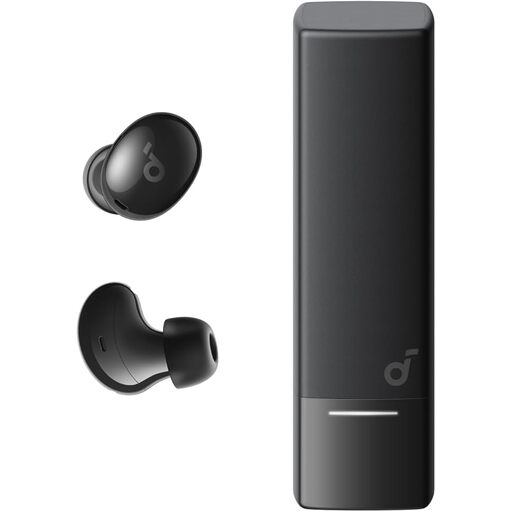
Why it suits this profile: These compact in-ear earbuds are ideal for everyday use and commuting, especially if you’re short on space in your bag.
The listed specifications include automatic noise cancellation, Bluetooth 5.4 and a choice of ear tips for a better fit. This means you can check comfort and connectivity before you buy.
Up to 7 hours of playback per charge, up to 24 hours with the case, four built-in microphones, multipoint and an IP54 rating, according to the product information.
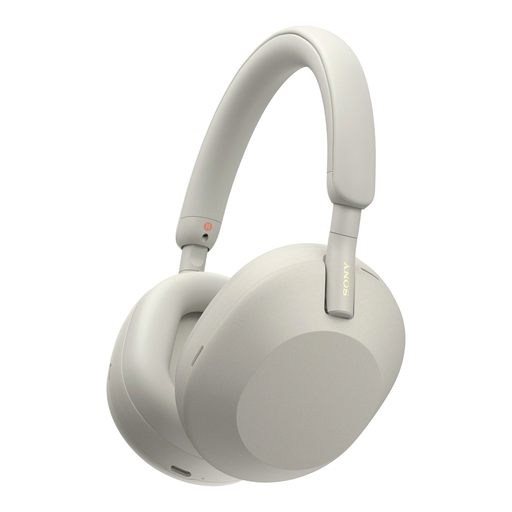
Why it suits this profile: These over-ear headphones are designed for listening to music, travelling and working with two connected devices.
The product listing distinguishes between up to 30 hours with ANC and 40 hours without it. This gives you a more realistic idea of battery life for travel and everyday use.
Multipoint, LDAC, a 3.5mm port, app controls and a stated weight of 250 grams.
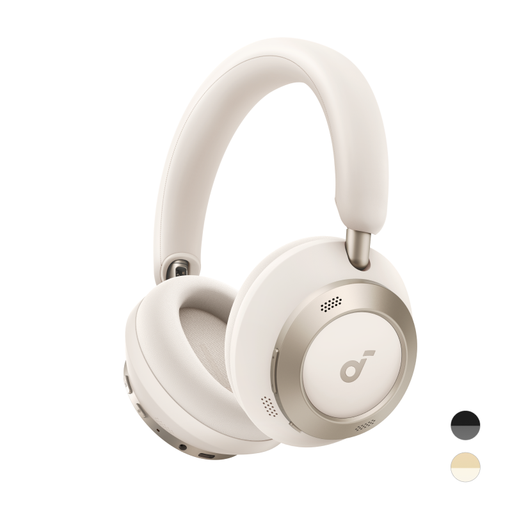
Why it suits this profile: This foldable model is a good fit for frequent travellers and anyone who listens for long stretches at a time.
The specifications give separate battery-life figures for ANC switched on and off. A quick-charge feature is also listed, which is handy when charging on the go isn’t easy.
Up to 40 hours with ANC, up to 60 hours without ANC, Bluetooth 5.4, LDAC and a foldable design, according to the product information.
We’ve put together a complete, up-to-date list of products that meet these strict selection criteria and comply with current European safety regulations.
Many models let you switch on ANC without playing audio. This can help make constant background noise less noticeable. The effect depends on your surroundings, the fit and the specific model. Check the available modes in the product description or app.
Battery capacity decreases over time, but how long a charge lasts depends on volume, ANC, calls and temperature. A charging case, USB-C port and quick-charge feature make everyday use easier. Keep the product dry, avoid extreme heat and charge it with a suitable cable.
They can be, but call quality varies by model and environment. Check the number of microphones, the microphone features listed and multipoint support. If you make a lot of calls, comfortable over-ear headphones may be a better choice; for shorter calls, in-ear earbuds are more compact. Keep the volume moderate and don’t use headphones in situations where you need to hear ambient noise.
