
Vandaag of morgen in huis

Kwaliteit gegarandeerd

Welkomstaanbiedingen ontgrendelen: GRATIS bezorging | Tot 80% korting | Gratis 30 dagen JoyPlus-proefperiode
Download de app
Wireless noise-cancelling headphones can be a welcome companion on the train, in the office or during a long flight. Yet a high price or extended battery life does not tell the whole story. Manufacturers use different measurement methods, and features are not always tested under comparable conditions.
If you focus solely on “active noise cancellation”, “Hi-Res audio” or “60-hour battery life”, you may end up with a model that is less suitable in everyday use. Pay particular attention to the following pitfalls.
The stated battery life is usually the maximum playback time with ANC off. For example, the Soundcore Space One Pro claims up to 60 hours without ANC and 40 hours with ANC enabled. According to the product information, the Sony WH-1000XM5 delivers 40 hours without noise cancellation and 30 hours with the feature switched on.
Always compare runtime in the mode you use every day. For commuting, battery life with active noise cancellation is more relevant than the highest figure printed on the box.
ANC uses microphones and electronic processing, but over-ear headphones also benefit from a good physical seal around the ears. A headband that is too loose can let ambient noise through. A fit that is too tight, on the other hand, can create pressure during longer listening sessions.
Check the weight, the shape of the ear cushions and whether the headband is adjustable. The most comfortable headphones are the ones you can wear for extended periods without pressure points.
The term Hi-Res audio does not automatically mean that every streaming service or smartphone delivers the highest quality. Check which Bluetooth codecs are supported, such as AAC, SBC, LDAC or aptX Lossless. Your phone, laptop and music service must also be compatible.
Wireless headphones with a 3.5mm cable or USB-C audio can also be useful when you want to listen without Bluetooth.
With ANC, microphones measure ambient sound, after which the headphones generate an opposing signal. Performance varies by model and by type of noise. Low, consistent tones from a train engine are generally a different use case from voices in a busy office.
Also look for a transparency mode or ambient mode. This lets you hear traffic, announcements and colleagues more clearly without removing the headphones. Do not use headphones while cycling, driving or in any other situation where you need to remain alert.
For everyday use, 30 to 40 hours with ANC is often more than sufficient. If you travel frequently or prefer not to charge regularly, consider models offering 50 to 60 hours of playback. Fast charging is particularly convenient when you have little time before setting off.
Examples from the product information:
For headphones for music and calls, the number and positioning of the microphones matter, as does performance in noisy environments. Also check whether the headphones can connect to two devices at the same time. This is useful when switching between a work laptop and smartphone.
A detachable cable provides an alternative when the battery is empty or when using equipment without Bluetooth. Also check whether the box includes a USB cable, charging adapter, airplane adapter or storage case.
The selections below are based on verifiable information from the supplied product details. Claims regarding sound reproduction, noise cancellation and comfort are presented as product or manufacturer claims.
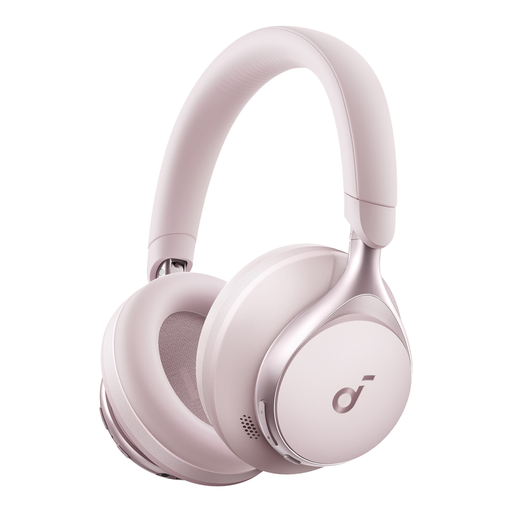
Why it fits: A practical pair of over-ear headphones for music, calls and everyday use, with USB-C and a stated battery life of up to 55 hours.
The product information clearly states the wireless Bluetooth connection and maximum battery life. Before buying, check whether ANC is required for this specific model.
Over-ear design, USB-C connection and up to 55 hours of battery life according to the product description.

Why it fits: Designed for users looking for long battery life, adjustable sound and wireless audio for extended listening sessions.
The stated playback time is up to 60 hours. Still, compare it with your chosen ANC setting, as conditions and settings affect battery life.
42mm transducers, adaptive ANC, four microphones and a 3.5mm cable according to the product information.
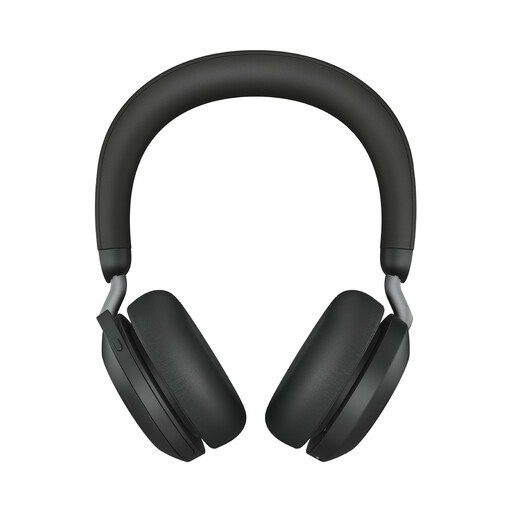
Why it fits: Wireless headphones with a microphone for meetings, calls and switching between a work laptop and smartphone.
The specifications list eight microphones, connection to two devices and a range of up to 30 metres. Check compatibility with your meeting platform.
Bluetooth 5.2, multipoint and up to 33 hours of audio with ANC according to the product details.
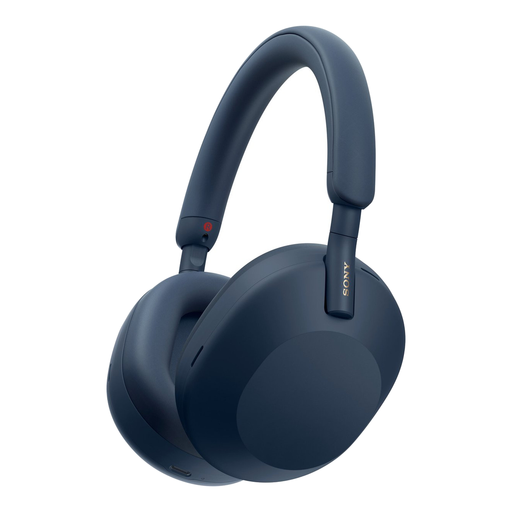
Why it fits: A good choice for anyone seeking over-ear headphones for train journeys, the office and everyday listening, with two paired devices.
The product information states both battery life with ANC and with ANC switched off. This makes it easier to compare the figures with those of other models.
LDAC, multipoint, microphone, detachable cable and up to 30 hours of battery life with noise cancellation according to the product specifications.
Browse the latest range of wireless USB headphones and compare features, connections and battery life based on the product information.
Yes, according to the product description, active noise cancellation can help make constant background noise less intrusive. The effect varies by model and fit. Use transparency mode when you need to hear announcements or conversations.
Lifespan depends on charging habits, usage, moisture, drops and wear on the ear cushions. The built-in battery may hold less charge over time. Keep the headphones dry, charge them with suitable cables and replace worn cushions when supported by the manufacturer.
The electricity cost of charging is generally limited. The main practical difference is how often you need to recharge. A model with long battery life, USB-C and fast charging is convenient for everyday use, but always check the actual playback time with ANC enabled.
