
Vandaag of morgen in huis

Kwaliteit gegarandeerd

Welkomstaanbiedingen ontgrendelen: GRATIS bezorging | Tot 80% korting | Gratis 30 dagen JoyPlus-proefperiode
Download de app
Wireless noise-cancelling headphones can be ideal on the train, in the office or during a flight. However, a high dB rating or long battery life does not tell you everything. The wrong fit, limited codec support or an unclear battery claim could mean your purchase is less suitable than expected.
This buying guide helps you turn marketing terms into specifications you can verify. That way, you can find Bluetooth headphones that suit the way you use them, your budget and your devices.
Brands sometimes advertise noise reduction of, for example, -44 or -45 dB. According to information provided by Edifier and Baseus, these figures refer to their stated performance under specific conditions. They do not automatically indicate how well all types of sound are reduced.
Low-frequency rumbles, such as train or aircraft engines, are generally a different scenario from voices, keyboards or sudden noises. So also look at:
Headphones with long battery life can be a good choice for travelling, but check whether the stated playback time applies with active noise cancelling switched on. For the Sony WH-CH720N, the product information states up to 50 hours without noise cancelling and 35 hours with noise cancelling. The technical specifications also state a battery life of 40 hours. Always check the current product page and usage settings.
Volume, codec, calls and temperature can also affect actual battery life.
Bluetooth 5.4 or Bluetooth 6.0 mainly tells you about the connection standard, not directly about sound quality. Also check which audio codecs are supported. For example, Hi-Res Audio headphones may support LDAC or offer a USB-C connection, but your phone or laptop must support the same technology too.
For work, multipoint Bluetooth is practical: it lets you connect the headphones to, for example, a smartphone and a laptop. Do check that multipoint is actually listed in the product specifications.
Over-ear headphones usually completely cover the ears. This can contribute to wearing comfort and passive sound isolation, particularly on public transport. The design is generally larger and may feel warmer.
On-ear headphones rest on the ears. These models are often lighter and more compact, but may put more pressure on your ears after prolonged use. According to the product information, the Sony WH-CH520 weighs 147 grams and has an on-ear design. This makes this type appealing for everyday use and travel, as long as the fit is comfortable.
Headphones with active noise cancelling use microphones and electronics to process ambient sound. Performance varies by model and environment. When cycling, crossing the road or walking in busy traffic, it is sensible to use transparency mode or switch off noise cancelling, so you can remain more aware of your surroundings.
Also consider the controls. Physical buttons are convenient when you want to adjust the volume or listening mode quickly. An app may offer additional equaliser or noise-cancelling settings.
Always compare these three points:
According to the product description, the Marshall Major V offers more than 100 hours of wireless playback and up to 15 hours after 15 minutes of charging. The stated battery life comes from the manufacturer and may vary depending on volume, codec and connection. The model also supports an audio cable and wireless charging.
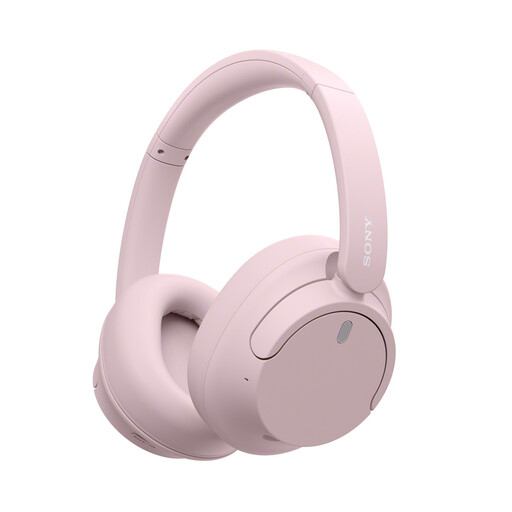
Why it suits this profile: Lightweight over-ear headphones for music, working from home and travelling, with app settings and multipoint connectivity for your phone and laptop.
The product information lists battery life separately with and without noise cancelling. This makes it easier to compare the claim with your own usage.
192 grams, USB-C, multipoint connectivity and active noise cancelling. According to the product information, the app offers 20 noise-cancelling levels.
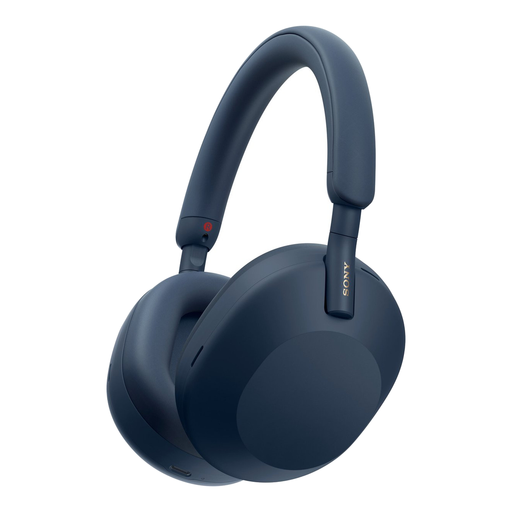
Why it suits this profile: Designed for users who want to combine active noise cancelling, app control, multipoint and LDAC support.
The stated battery life is split into 30 hours with noise cancelling and 40 hours without. This provides a useful comparison point for travelling.
Over-ear design, Bluetooth 5.2, LDAC, 3.5mm jack and the ability to connect to two devices at once.
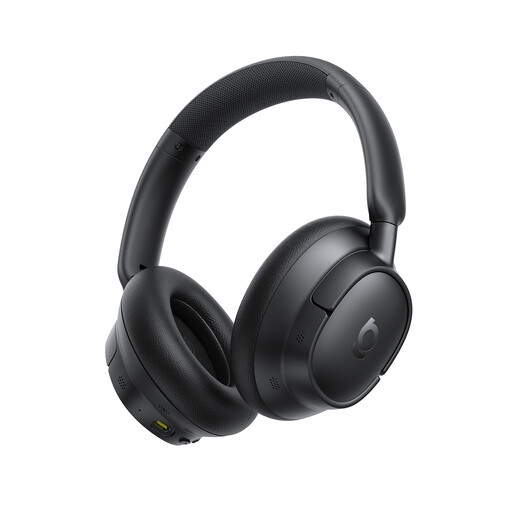
Why it suits this profile: An appealing option for long working days, frequent travel and users who value fast charging, LDAC and a long stated playback time.
According to Baseus’s own information, the stated playback time is 80 hours without ANC and 55 hours with ANC. The conditions remain important when comparing products.
Hybrid ANC, LDAC, Hi-Res Audio, Bluetooth 6.0 and a stated fast-charging function providing 10 hours after 10 minutes of charging.
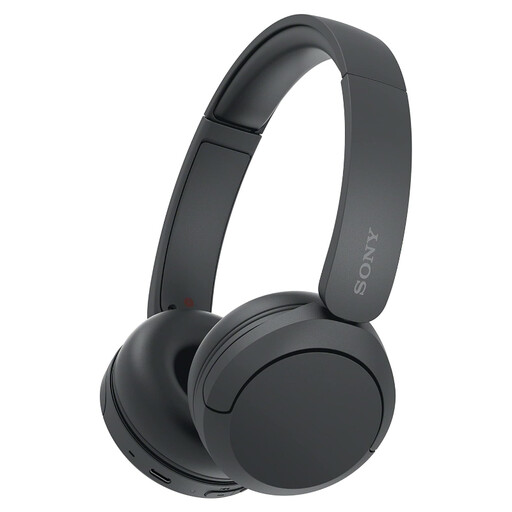
Why it suits this profile: Wireless on-ear headphones for podcasts, music, video calls and everyday commuting, where low weight is important.
The specifications make it clear that this model does not have active noise cancelling. This means you do not pay for a feature you do not need.
147 grams, multipoint connectivity, USB-C and up to 50 hours of battery life according to the product information.
We have put together a complete, up-to-date list of products that fully meet these strict selection criteria and the applicable European safety regulations.
Connect the headphones via Bluetooth and, if available, use the accompanying app. You can often adjust noise cancelling, the equaliser and transparency mode there. After pairing, check that your phone or laptop is using the correct audio codec.
Their lifespan depends on battery use, charging habits, the hinges, headband and ear cushions. Keep the headphones dry, charge them with a suitable USB-C cable and avoid using them at high volume for extended periods. A model with replaceable ear cushions or a supplied cable can be practical for long-term use.
Yes. The microphones and processing required for active noise cancelling use additional power. Always compare battery life with ANC switched on and without ANC. For frequent travel, fast charging may offer a greater practical advantage than simply having a high maximum battery-life claim.
