
Vandaag of morgen in huis

Kwaliteit gegarandeerd

Welkomstaanbiedingen ontgrendelen: GRATIS bezorging | Tot 80% korting | Gratis 30 dagen JoyPlus-proefperiode
Download de app
Wireless noise-cancelling headphones can be ideal on the train, in the office or during a long flight. However, a big discount, a high decibel figure or a long battery-life claim does not tell you everything. The real difference often lies in wearing comfort, how battery life was measured and protection against moisture.
This buying guide will help you choose Bluetooth headphones, wireless earbuds or ANC headphones to suit the way you use them in the UK.
Manufacturers sometimes quote a maximum noise reduction figure in dB. According to the brand’s own research, this value may have been measured under specific conditions. In practice, the result depends on the fit, the type of sound and the environment.
Active noise cancellation, or ANC, generally works best against constant low-frequency sounds, such as the noise of a train or aeroplane. Voices, bicycle traffic and sudden sounds may still be audible. So also check whether a product has a transparency mode or ambient sound mode.
Headphones with long battery life may play music for dozens of hours under ideal conditions. With ANC, higher volume levels, phone calls and a multipoint connection, the usage time may be lower. With wireless earbuds, you should also distinguish between:
So do not compare only the biggest figure in the product title.
An IPX4 or IPX5 rating provides protection against splashes or sweat, but not automatically against immersion. Even IP57 does not mean that every product is intended for swimming. Also check the charging case: it sometimes has a lower level of protection than the earbuds themselves.
If you genuinely want to use audio while swimming, check that the product has internal MP3 storage, a swimming mode and clear instructions for underwater use. Bluetooth connectivity is limited through water.
Over-ear headphones partially enclose the ear with ear cushions. This provides passive sound isolation. An in-ear model uses the earbuds to seal the ear canal. ANC adds electronic noise cancellation to this.
When comparing products, look for:
An open-ear or bone-conduction headset, on the other hand, lets more ambient sound through. This can be practical when running or cycling, but these models generally provide a different level of isolation from closed-back ANC headphones.
Bluetooth 5.2, 5.3 or 6.0 mainly indicates the connection standard being used. The actual connection also depends on your smartphone, laptop and distance. A range of around 10 metres is usually quoted under ideal conditions.
Multipoint is useful if you want to stay connected to a phone and laptop at the same time. Also check whether the audio codecs used, such as SBC, AAC or LDAC, are compatible with your devices. A codec claim alone does not guarantee an audible difference for every user.
Lightweight in-ear headphones can be comfortable during your commute, while an over-ear model offers more coverage and larger ear cups. Consider:
A gaming headset often has a clearer microphone and spatial sound, but is not always wireless or suitable for use on the go. Headphones with a microphone are therefore not automatically a good choice for meetings; microphone positioning and noise filtering remain important.
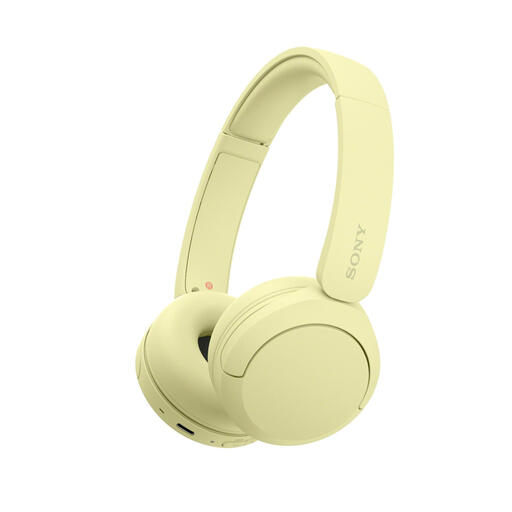
Why it suits this profile: This on-ear model is lightweight, with a quoted weight of 147 grams, and has multipoint connectivity for your phone and laptop. It is suitable for everyday listening, podcasts and calls, but is not intended for wet conditions.
The specifications clearly state that it has an on-ear design, microphone and multipoint connectivity. The product information makes no claim of water resistance, so you are less likely to use this model accidentally as sports or swimming headphones.
Up to 50 hours of quoted battery life, USB-C, multipoint connectivity and an adjustable headband.

Why it suits this profile: These in-ear earbuds combine ANC, a two-way speaker system, six microphones and support for wireless charging. They are particularly well suited to users who value features and a compact design.
The quoted playback time is split between ANC on and off. IP57 is also listed, together with a warning that the product is not intended for swimming or immersion.
ANC, 24-bit/96 kHz audio according to the product information, 360 Audio, Bluetooth 6.1 and up to 30 hours in total with the case.
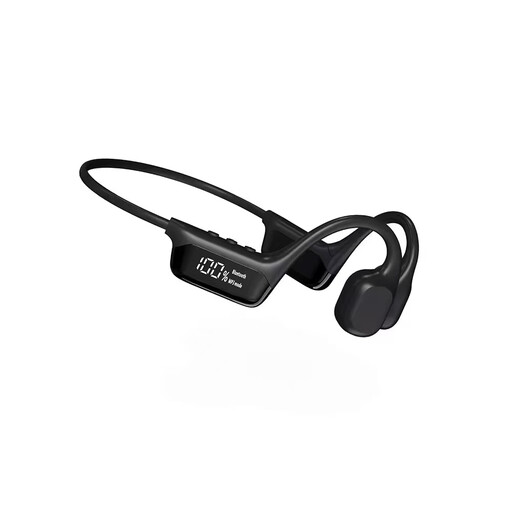
Why it suits this profile: The open-ear bone-conduction design with ear hook is intended for sports, cycling, the office and situations where you want to remain aware of your surroundings. The product information also mentions a swimming mode, but specifies conditions for underwater use.
The usage instructions state that the charging port must be dry and that the product should be rinsed with fresh water after swimming. Before buying, however, check the correct internal mode and the latest water-resistance information.
Bluetooth 5.3, open-ear design, ear hook, multipoint according to the specifications and quoted battery life of up to 8 hours.
We have put together a complete, up-to-date list of products that fully meet these strict selection criteria and the applicable European safety regulations.
Yes, ANC can reduce ambient noise without music playing. The effect varies by model and environment. Constant low-frequency sounds are generally processed differently from voices or unexpected noises. When travelling, always use a mode that allows you to hear enough of your surroundings.
Battery capacity decreases over time. Lifespan depends on charging habits, temperature, usage time and the quality of the internal battery. If you listen every day, choose a model with USB-C, fast charging and a clear battery indicator. A charging case makes wireless earbuds practical, but it also contains a battery that may hold less charge over time.
The electricity used for charging is generally minimal. The main recurring costs are more likely to come from replacing ear tips, ear cushions or the entire device. So check whether replacement parts are available and whether the seller provides clear warranty and returns information. This way, you are considering not only the purchase price but also the cost of using the product over a longer period.
