
Vandaag of morgen in huis

Kwaliteit gegarandeerd

Welkomstaanbiedingen ontgrendelen: GRATIS bezorging | Tot 80% korting | Gratis 30 dagen JoyPlus-proefperiode
Download de app
Wireless noise-cancelling headphones can be a great choice on the train, at the office or during a long flight. But a high decibel rating, lots of microphones or a long battery life don’t tell you everything. A model may look impressive on paper but disappoint in everyday use because of a poor fit, unclear battery-life figures or mediocre call quality.
That’s why Joybuy Product Recommendation Officer recommends focusing on specifications you can verify. This makes it easier to compare Bluetooth headphones, ANC headphones and noise-cancelling earbuds based on what suits the way you use them in the Netherlands.
Some brands quote noise reduction of, for example, 45 dB or more than 90%. These figures may be measured under specific conditions, according to the brand’s own tests or the product description. They don’t automatically show how well the headphones reduce the low rumble of a train, office chatter or wind outdoors.
So, also look at:
Headphones with long battery life usually reach the stated number of hours only under certain test conditions. ANC, higher volume, calls and codecs such as LDAC can all affect how long they last. Always compare battery life with ANC on and with ANC off.
For earbuds, you should also distinguish between:
Over-ear headphones can create a good seal, but may also feel warm or put pressure on your head during long listening sessions. In-ear earbuds are compact, but they won’t fit securely in everyone’s ears. Weight, the headband, ear cushions and the option to choose from different ear tips are therefore more important than looks alone.
ANC, or Active Noise Cancelling, uses microphones and electronics to reduce ambient noise. ENC is often used to describe noise reduction during calls. It isn’t the same as active noise cancelling for music.
So, headphones with a microphone may sound clear during calls, even if their ANC is less effective for music. If you’re looking for headphones for both music and calls, check each feature separately.
The style also makes a difference:
Bluetooth 5.3 or Bluetooth 5.4 tells you which connection standard is used, but doesn’t guarantee better sound quality on its own. Also check whether the model supports multipoint, so you can connect it to, for example, your phone and laptop at the same time.
A wired option can come in handy when the battery runs out or when you need a stable connection. According to the product information, the Soundcore Space One supports both Bluetooth and a 3.5mm connection.
Hi-Res Audio headphones can support higher-resolution formats, but your audio source, streaming subscription and smartphone must also be compatible. LDAC is a codec that can transmit more audio data than some standard Bluetooth codecs. This can affect compatibility and battery life.
Also look at:
Specifications can be checked, but they can’t tell you exactly how the sound will come across to you. A trial period, returns policy and good fit still matter.
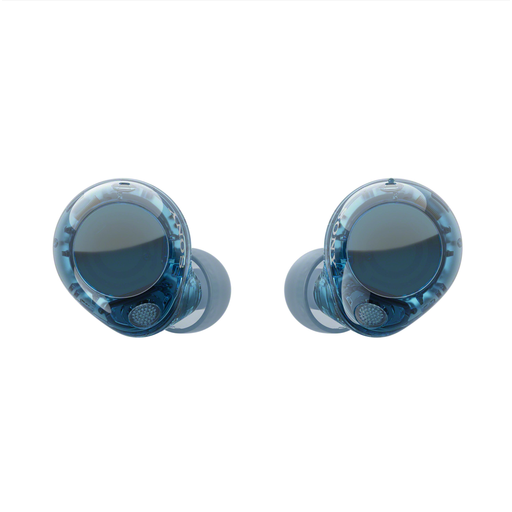
Why it suits this type of user: These wireless earbuds are compact, making them a good choice for commuting and everyday use. According to the product information, they offer multipoint, Bluetooth 5.3 and IPX4 splash resistance.
The product information lists playback time separately with and without noise cancelling. It also states that a 5-minute quick charge provides 1 hour of listening.
In-ear design, microphone, multipoint connection and a stated battery life of up to 40 hours with the case.

Why it suits this type of user: This over-ear model is designed for people who value comfort, active noise cancelling and extensive controls when travelling, working or listening to music.
The specifications list both Bluetooth and a 3.5mm connection. This means you’re less reliant on the battery when you want to listen using a cable.
Bluetooth 5.3, multipoint, Hi-Res Audio, active noise cancelling and a stated battery life of 24 hours.
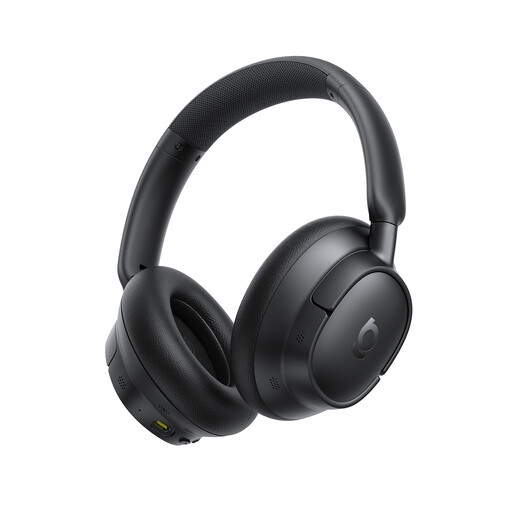
Why it suits this type of user: The over-ear design is well suited to long working days and travel, and to anyone who values long battery life and clear calls.
The stated battery life is broken down into 80 hours without ANC and 55 hours with ANC. The product information also lists five microphones for calls.
LDAC, Hi-Res Audio, USB-C quick charging and, according to the product information, 10 hours of playback after a 10-minute charge.
We’ve put together a complete, up-to-date list of products that meet these strict selection criteria and the applicable European safety regulations.
First, connect your headphones via Bluetooth and, if necessary, install the manufacturer’s app. Then select ANC mode and check that the ear cushions or earbuds fit snugly. Use transparency mode when you need to hear what’s going on around you. Turn the volume down before playing music, then raise it only to a comfortable level.
Battery life per charge varies depending on the model and settings. Battery capacity generally decreases over time as the battery goes through charging cycles. A model with USB-C, quick charging and, where available, a wired connection is practical if you’re often on the go. Keep your headphones dry and avoid heat, moisture and leaving them fully discharged for long periods.
That depends on the microphone setup and the voice-noise processing software. Check the number of microphones, multipoint support and whether there’s a transparency mode. For meetings, headphones with a microphone and a reliable connection matter more than a high ANC rating alone. Also check that the headphones you choose are compatible with your laptop and calling platform.
