
Vandaag of morgen in huis

Kwaliteit gegarandeerd

Welkomstaanbiedingen ontgrendelen: GRATIS bezorging | Tot 80% korting | Gratis 30 dagen JoyPlus-proefperiode
Download de app
Wireless noise-cancelling headphones can be ideal on the train, in the office or during a long flight. However, a high price or attention-grabbing claim does not automatically mean a model will suit the way you use it. Battery life, fit and protection against moisture are sometimes presented differently in product adverts than you might expect in real-world use.
In this guide, you’ll find out what to look for in Bluetooth headphones, noise-cancelling headphones or a set of True Wireless earbuds. You’ll then find recommendations for different user profiles, based on verifiable product specifications.
Manufacturers often state the maximum battery life with noise cancelling switched off. With active noise cancellation, high volume or phone calls, battery life may be shorter. Always compare:
For example, the product information for the JBL Wave Buds 2 states up to 40 hours of total playback with ANC switched off. According to the same specifications, the earbuds themselves offer up to 8 hours of music playback. These are two different figures.
ANC is most effective against constant low-frequency sounds, such as an aircraft engine, train or air conditioning. Voices, sudden noises and traffic may still be audible. Fit also plays a major role: a poorly sealed earcup or incorrectly sized ear tip will let surrounding noise through.
So don’t focus solely on a claim such as “-45 dB”. According to the product description for the Baseus EH10 NC, this refers to adjustable noise reduction of up to -45 dB. This is a brand specification, not a guarantee that you’ll have the same experience in every environment.
An IP rating indicates the conditions against which a product is protected according to its stated specification. IPX4, for example, is intended to protect against splashes and light rain, not immersion. The Samsung Galaxy Buds4 Pro are listed with an IP57 rating, but you should still follow the manufacturer’s instructions and keep the charging case dry.
A standard over-ear headphone without an IP rating is generally not a suitable choice for exercising in the rain. For running or cycling, lightweight in-ear earbuds or a model with ear hooks are often more practical.
Over-ear headphones surround the ear and usually combine passive noise isolation with comfort. This type is suitable for travelling, working from home and long listening sessions, but may feel warmer and take up more space.
An on-ear model rests on the ear and is often lighter. In-ear earbuds are compact and fit easily into a coat pocket. The seal depends heavily on the supplied ear tips. If you’re unsure, choose a model with several sizes, such as the Apple AirPods Pro 3, whose product information lists five sizes of silicone ear tips.
Bluetooth 5.2, 5.3 or 5.4 can provide a modern, stable connection, but the overall experience also depends on your smartphone, laptop and the codecs used. Also check whether a multipoint connection is available. This allows you to connect the headphones to, for example, a laptop and smartphone at the same time.
According to its product specifications, the Sony WH-CH720N supports multipoint and Bluetooth 5.2. The Bose QuietComfort Ultra is listed with Bluetooth 5.3 and multipoint pairing. This can be useful when you want to switch quickly between music and phone calls while working.
Comfortable headphones need more than soft ear cushions. Also consider:
Low weight is useful for everyday use, but it says nothing about how pressure is distributed. Fit is a personal matter. So check the returns policy before using a model for an extended period.
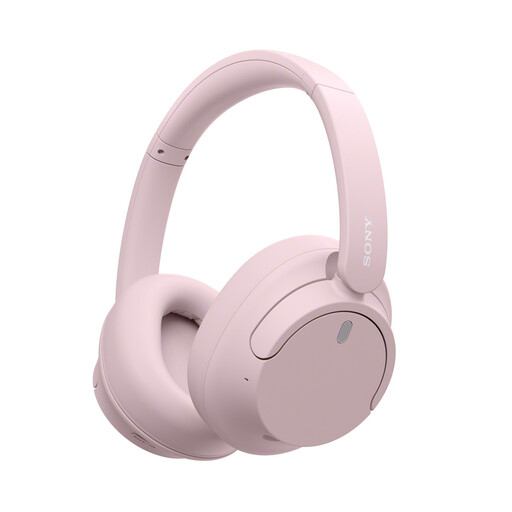
Why it suits this profile: These wireless headphones are designed for everyday listening, travelling and making calls without stepping straight up to a heavier model.
The product information lists 35 hours with noise cancelling and up to 50 hours without it separately. This makes the difference between the two usage conditions clear.
Over-ear design, active noise cancelling, USB-C and a multipoint connection for two devices.

Why it suits this profile: An over-ear model with app control, a cable option and active noise cancellation for music, travelling and work.
The stated battery life is 24 hours, and the model comes with an audio cable. You’re therefore not entirely dependent on Bluetooth or the battery.
Bluetooth 5.3, multipoint pairing, a closed-back over-ear construction and a supplied travel case.
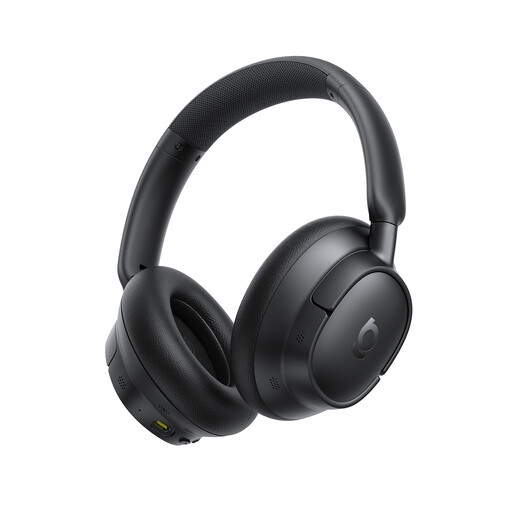
Why it suits this profile: Designed for long listening sessions, working, travelling and making calls, thanks to its stated battery capacity and microphones.
The listing states up to 80 hours without ANC and 55 hours with ANC separately. According to Baseus’s own information, ten minutes of fast charging provides ten hours of playback.
Bluetooth 6.0, LDAC according to the product description, five microphones and USB-C fast charging.
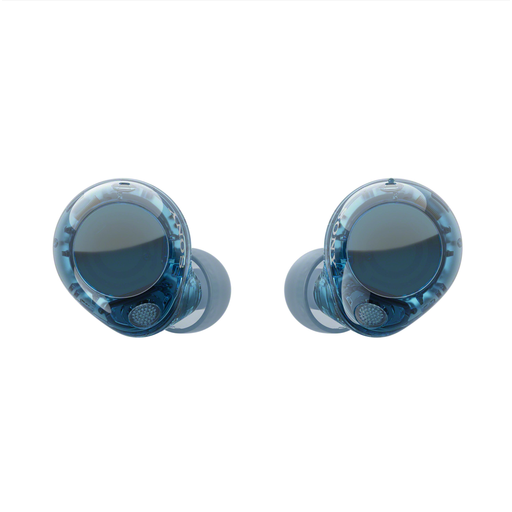
Why it suits this profile: Compact in-ear earbuds with ANC, multipoint and IPX4 splash resistance for use on the go and during light exercise.
The product information states both 30 hours with noise cancelling and 40 hours without it. IPX4 means splash resistance, not suitability for swimming.
Bluetooth 5.3, microphone, charging case, multipoint and a five-minute fast-charge function for around one hour of listening.
We’ve put together a complete, up-to-date list of products that fully meet these strict selection criteria and the applicable European safety regulations.
That depends on the microphones and how the manufacturer processes background noise. Look at the number of microphones, any stated microphone features and experiences with making calls. Multipoint is useful for work calls, as it allows you to connect the headphones to a laptop and phone at the same time.
Battery capacity decreases over time, but lifespan also depends on charging habits, heat, moisture and everyday use. A model with USB-C, fast charging and, if applicable, an audio cable remains practical when the battery starts to perform less well. Don’t use the headphones at high volume for extended periods, and store them somewhere dry.
The electricity costs of charging are generally limited. Pay particular attention to replaceable parts, such as ear cushions, and to whether a charging case or cable is available. With earbuds, an additional or replacement case may be relevant. Also check the warranty and your statutory consumer rights regarding conformity before ordering.
