
Vandaag of morgen in huis

Kwaliteit gegarandeerd

Welkomstaanbiedingen ontgrendelen: GRATIS bezorging | Tot 80% korting | Gratis 30 dagen JoyPlus-proefperiode
Download de app
Wireless noise-cancelling headphones may seem easy to choose on paper. In practice, models vary considerably in comfort, battery life, call quality and the way active noise cancellation works. A long list of features also does not always tell you what everyday use will be like.
Your requirements will be different if you mainly travel than if you use your headphones in the office. So do not just focus on the Bluetooth version or a striking claim about sound quality. Consider the combination of fit, battery life, controls and connectivity options.
Manufacturers often quote the longest playback time with noise cancellation switched off. As soon as you use active noise cancellation, a higher volume or a phone call, battery life may be shorter.
So always check:
Headphones with long battery life are particularly useful on train journeys, flights and during working days. When comparing figures, look at the mode you will actually use.
Active noise cancellation uses microphones and electronics to reduce background noise. This is different from passive isolation provided by ear cushions. For example, an open-ear or bone-conduction model can offer a different listening experience from closed-back over-ear headphones.
Pay attention to the type:
A brand’s claim about noise reduction is not a universal guarantee of the same experience in every environment. A brand’s own research may indicate that certain test results can be achieved, so also check the product design, microphones, ANC modes and fit.
Comfortable headphones should not just feel soft when you first try them on. Weight, clamping pressure, ventilation, swivelling earcups and the shape of the headband all determine whether you can wear the model for hours.
Check the product specifications:
Replaceable cushions can be practical if you use your headphones intensively. Also check the water resistance: not every pair of wireless headphones is suitable for rain, exercise or swimming.
An ANC headphone can offer various modes. Transparency mode lets background sound through, which is useful at a station or when someone speaks to you. For calls, multiple microphones and good positioning around the earcups are important.
So do not just look for ‘noise cancelling’. Also check for:
Multipoint means you can connect your headphones to two devices at the same time, such as a laptop and smartphone. This saves you from having to pair them again whenever you switch from listening to music to taking a call.
Bluetooth 5.0, 5.2 or 5.4 describes the wireless connection, but it is not the only factor that determines sound quality. The supported audio codecs also play a part. Many models support SBC and AAC. Some models add LDAC for compatible devices.
Before buying, check:
A quoted battery life is usually a maximum figure under specific conditions. Volume, ANC, codec and phone calls all affect power consumption. A fast-charging function may therefore be more important than simply choosing the model with the highest number of hours.
For everyday use, a model with USB-C and multipoint is often practical. For long journeys, a foldable model with a cable connection can provide extra peace of mind.
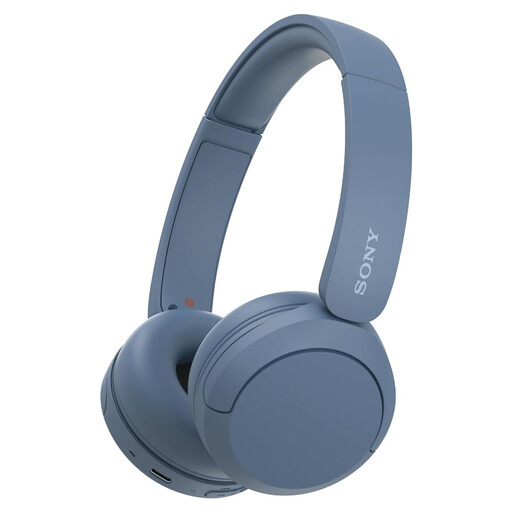
Why it suits this profile: These lightweight on-ear Bluetooth headphones are suitable for music, podcasts and calls without committing straight away to a more advanced ANC model.
The specifications state a weight of 147 grams, an adjustable headband, soft ear cushions and multipoint connectivity. Please note: this model does not have active noise cancellation.
Bluetooth 5.2, USB-C, a built-in microphone and simultaneous connection to your phone and laptop.

Why it suits this profile: This over-ear model is designed for users who value active noise cancellation, spatial audio and the option to listen both wirelessly and with a cable.
The product information lists a detachable cable, Bluetooth 5.4 and a 3.5 mm connection. This means you are not entirely reliant on Bluetooth or the battery.
Bose Immersive Audio, Cinema Mode, active noise cancellation and up to 24 hours of battery life according to the product specifications.
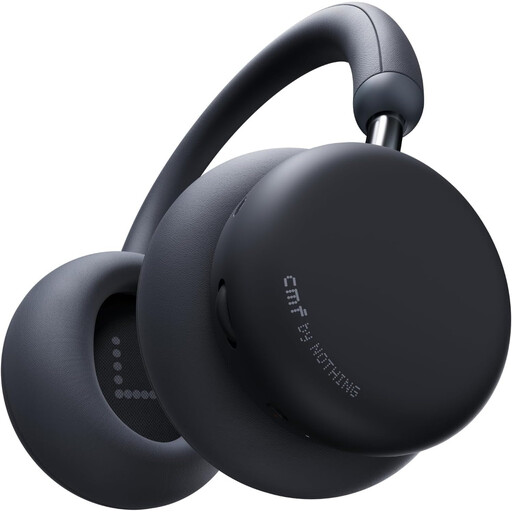
Why it suits this profile: This model is a good fit for intensive listeners who want to combine long battery life, adjustable ANC modes and connectivity with multiple devices.
The quoted battery life is listed separately with ANC switched off and on: up to 100 hours without ANC and 48 hours with ANC. This makes it easier to compare the figures with your own usage.
40 mm drivers, LDAC, Bluetooth 5.4, four ANC modes, adaptive ANC and replaceable ear cushions.
We have put together a complete, up-to-date list of products that fully meet these strict selection criteria and the applicable European safety regulations.
No. Sound isolation is created by ear cushions or earbuds that physically block out sound. Noise cancelling uses microphones and electronics to reduce background noise. The final experience depends on the fit, your surroundings and the ANC mode selected.
This depends on how you use and maintain them, as well as the battery. Check whether the ear cushions can be replaced, handle the hinges carefully and charge the headphones with the recommended USB-C cable. Avoid moisture and high temperatures if the manufacturer warns against them.
ANC uses additional electronics and can reduce playback time. Always compare the quoted battery life with ANC switched on and off. Fast charging and a cable connection can be useful if you run out of power while you are out and about.
