
Vandaag of morgen in huis

Kwaliteit gegarandeerd

Welkomstaanbiedingen ontgrendelen: GRATIS bezorging | Tot 80% korting | Gratis 30 dagen JoyPlus-proefperiode
Download de app
Wireless noise-cancelling headphones can be ideal on the train, in the office or during a long flight. However, you may sometimes be paying mainly for eye-catching marketing terms, while comfort, battery life or compatibility disappoint. The right choice therefore depends not only on sound quality, but also on how and where you intend to use them.
Brands sometimes state that active noise cancellation, or ANC, reduces background noise by a certain number of decibels. According to the brand’s own research, this figure may have been measured under specific conditions. In practice, the result varies from person to person and depends on the fit and type of sound.
Low-frequency humming from a train engine is usually easier to reduce than voices, passing bicycles or sudden noises. So check whether a model also has a transparency mode or ambient mode. This lets you hear important sounds around you when needed.
Headphones with long battery life may, for example, list 60 hours of playback without ANC and 40 hours with ANC in the product information. This difference matters if you mainly use your headphones while travelling or every day in the office. For wireless earbuds, the total playback time is also often stated including the charging case.
Pay attention to the following points:
Hi-Res Audio, LDAC and other codec terms can be useful, but only if your smartphone, subscription and audio source support these features. Bluetooth headphones with LDAC do not automatically work with every source in that mode. A wider frequency range on paper is also no guarantee that the sound will be more enjoyable for everyone.
So also look at the driver size, whether you can adjust the equaliser and whether the relevant app is supported.
Over-ear headphones surround the ear, which can create a peaceful listening environment. This design is often suitable for long listening sessions, but takes up more space. Foldable headphones are more convenient for travelling.
On-ear models are lighter and more compact, but generally let in more ambient sound. Wireless earbuds are small and easy to carry. Fit is particularly important here: a well-sealed earbud affects both bass response and passive noise isolation.
Active noise cancellation uses microphones and electronics to counteract ambient sound. Passive isolation mainly comes from the ear cushions or the seal inside the ear. A model with several microphones may also support calling and ambient-sound detection features.
Check whether the headphones have:
Lighter headphones are not automatically more comfortable. Consider the weight, the pressure from the headband and the size of the ear cushions. Memory foam can help distribute pressure, but the fit is still a personal matter.
For everyday use, a battery life of 20 to 30 hours is often practical. If you travel frequently, you may want to consider a model offering 40 hours or more. Always check whether the stated figure applies with ANC switched on or off.
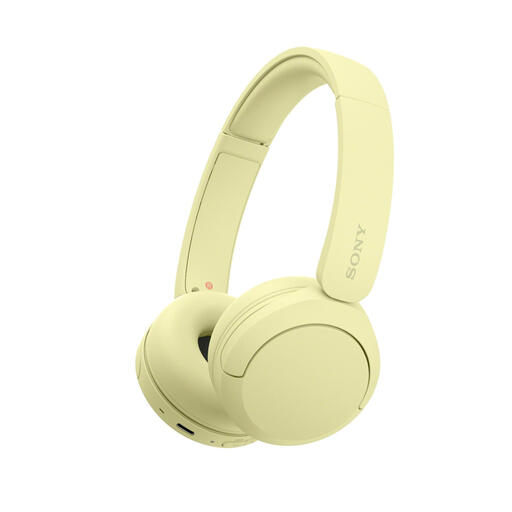
Why it suits this profile: Lightweight on-ear Bluetooth headphones for music, calls and everyday use, without the extra cost of ANC.
The product information clearly states that these are on-ear headphones with multipoint connectivity. So do not expect active noise cancellation, but you can enjoy a simpler purchase for quieter environments.
147 grams, USB-C, microphone and multipoint. The product listing states up to 50 hours of battery life; check the current product specification before placing your order.

Why it suits this profile: Designed for users looking for over-ear headphones with ANC, spatial audio features and Bluetooth 5.4.
The product description mentions both wireless and wired connections. That is useful when the battery runs out, but check in advance which cables and accessories are included.
Bluetooth 5.4, an active noise-cancellation system and a detachable cable. The manufacturer lists Cinema Mode and Bose Immersive Audio among the features.
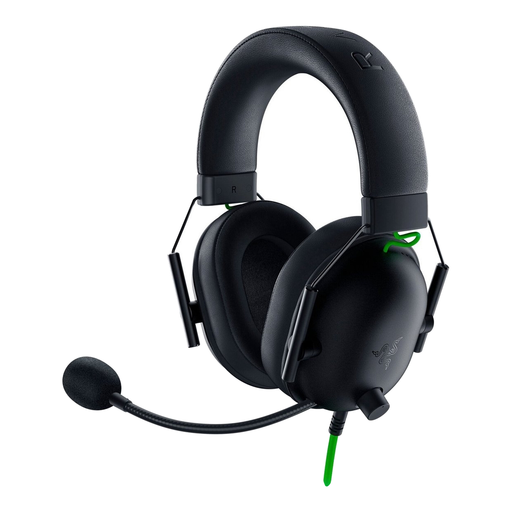
Why it suits this profile: For gamers looking for a gaming headset with a microphone, positional audio and broad platform compatibility.
This is a wired model with a 3.5mm connection. You therefore do not need to factor in battery life or Bluetooth latency, but it is less suitable if you want a completely wireless setup.
50mm drivers, a cardioid microphone, passive noise isolation and compatibility with PC, PlayStation, Xbox, Switch and mobile devices.
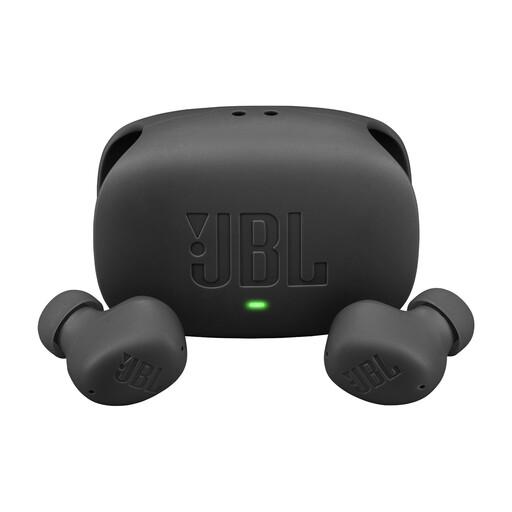
Why it suits this profile: Ideal if you prefer wireless earbuds for commuting, phone calls and light rain.
The stated battery life distinguishes between playback with and without ANC. The IP54 rating applies to the earbuds; according to the product information, the case has a lower IPX2 rating.
Up to 40 hours of total playback without ANC, multipoint and an app for equaliser and ANC settings. According to JBL, a 10-minute charge can provide additional playback time.
We have put together a complete, up-to-date list of products that fully meet these strict selection criteria and the applicable European safety regulations.
Use this quick checklist before placing an order:
On many models, ANC only works when the headphones are switched on. You may sometimes be able to play music via a cable, but the exact functionality varies by model. So check whether wired mode and ANC can be used together.
The lifespan depends on charging cycles, usage, storage and battery quality. Headphones may continue to work technically beyond their stated battery life, but playback time per charge will generally decrease over time. Keep the device dry, avoid extreme heat and use a suitable USB-C charger.
They can be, provided the model has a good microphone, multipoint and a stable connection. Also check whether your laptop and phone can be connected at the same time. For meetings, a transparency mode is useful, so you do not have to keep taking your headphones off.
