
Vandaag of morgen in huis

Kwaliteit gegarandeerd

Welkomstaanbiedingen ontgrendelen: GRATIS bezorging | Tot 80% korting | Gratis 30 dagen JoyPlus-proefperiode
Download de app
Wireless noise-cancelling headphones can be a pleasure to use on the train, in the office or during a long flight. However, a high price does not automatically mean that a model will suit the way you use it. Some buyers focus mainly on the number of decibels of noise reduction, while comfort, battery life and connectivity are at least as important.
When comparing models, pay particular attention to these three pitfalls:
Active noise cancellation, often abbreviated to ANC, uses microphones to measure ambient sound and produce an opposing signal. This can make constant low-frequency sounds, such as a train engine or aeroplane, much less noticeable.
ANC does not work in the same way in every situation. Voices, sudden sounds and traffic may still be audible. A good transparency mode is therefore useful when you need to hear a colleague in the office or stay alert outdoors.
Do not use noise-cancelling headphones while cycling, driving or operating machinery. Manufacturers’ safety information warns that ambient sounds may be harder to hear.
Compare battery life based on your own scenario:
Wireless headphones with USB-C are easy to charge using cables you may already use for other devices. However, check whether a charger is included. Some models come with a charging cable only.
Over-ear headphones surround your ears completely. This helps with passive sound isolation, but a heavy model may become less comfortable after several hours. Pay attention to:
For audio, Bluetooth 5.x is mainly relevant to connectivity and power consumption. The codec also affects how music is transmitted wirelessly. LDAC can offer a higher data rate than simpler codecs, but both your source device and music service must support it. A product listing mentioning Hi-Res audio therefore does not automatically mean that every user will hear the same difference.
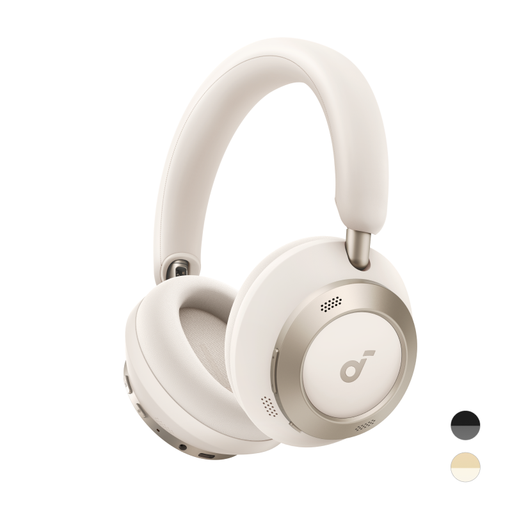
Why it suits this profile: This model combines a foldable design with long battery life, making it suitable for everyday commuting, use at home and travel.
According to the product specifications, battery life is 60 hours without ANC and 40 hours with ANC. This clearly shows the difference between the two usage scenarios.
Foldable design, LDAC support, fast charging and a pressure-relieving headband according to the product description.

Why it suits this profile: The over-ear construction, app controls and included audio cable are ideal for listeners who want to use different settings at home, in the office and on the go.
The product information mentions both active noise cancellation and a transparency mode. This means you are not reliant on ANC alone in changing environments.
Bluetooth 5.3, multipoint pairing, Hi-Res Audio and a stated battery life of up to 24 hours.
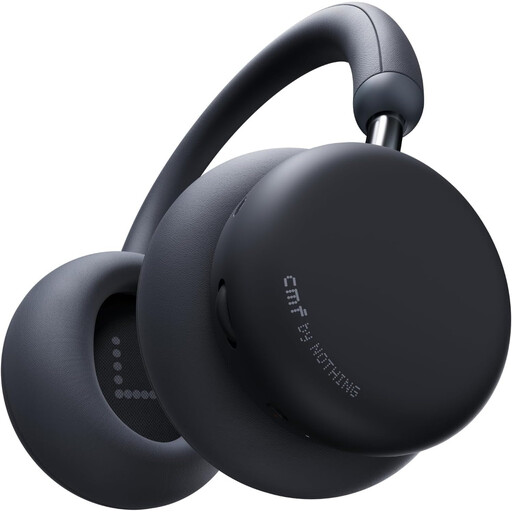
Why it suits this profile: The long battery life and replaceable ear cushions are practical for intensive use at home, at work and while travelling.
The product specifications distinguish between 100 hours without ANC and 48 hours with ANC. They also mention fast charging for up to 8 hours of use after 5 minutes of charging.
40mm drivers, LDAC, Bluetooth 5.4, four ANC modes and a weight of 283 grams according to the product listing.
We have put together a complete, up-to-date list of products that fully meet these strict selection criteria and the applicable European safety regulations.
With many models, ANC also works when you are not playing music, but the exact operation varies by product. You will generally need Bluetooth to listen to music. An audio cable can be useful when the battery is empty or when you are using a device without a wireless connection.
Their lifespan depends on the battery, hinges, ear cushions and how they are used. Store the headphones in a dry place, charge them with a suitable cable and avoid prolonged exposure to heat. A model with replaceable ear cushions can be practical if you want to keep using the headphones for many years.
Wireless earbuds, such as true wireless earbuds, are smaller and often more convenient for exercise or short journeys. Over-ear headphones generally provide more space around the ears, a larger headband and often longer battery life. Choose earbuds if portability is your priority; choose over-ear headphones if long-lasting comfort, passive isolation and extended listening time are more important.
