
Vandaag of morgen in huis

Kwaliteit gegarandeerd

Welkomstaanbiedingen ontgrendelen: GRATIS bezorging | Tot 80% korting | Gratis 30 dagen JoyPlus-proefperiode
Download de app
Wireless noise-cancelling headphones can make the noise of trains, chatty colleagues and engines less intrusive. But a big discount or a high decibel rating doesn’t automatically make something a good buy. The difference often comes down to comfort, battery life, Bluetooth connectivity and how noise cancelling works in practice.
This buying guide will help you assess marketing claims and choose a model that suits you, whether you’re travelling, working, making calls or listening every day.
Some noise-cancelling earbuds and headphones quote a maximum noise reduction level in dB. That figure doesn’t tell the whole story. Performance also depends on the fit, the microphones used and the type of sound. Low rumbles on a train are generally easier to reduce than voices or sudden noises.
A claim such as “up to 46 dB” should therefore be read as a product specification under certain conditions, not a guarantee that all background noise will disappear. According to Soundcore’s product information, the A30i can offer up to 46 dB of noise reduction. In practice, a good fit still matters.
Headphones with long battery life might offer, for example, 60 or 75 hours of playback with active noise cancelling switched off. With ANC on, battery life is often shorter. Always check both figures.
With earbuds, you should also distinguish between the playback time of the earbuds themselves and the total playback time including the charging case. This can help you avoid disappointment on a long flight or working day.
Over-ear headphones cover your ears and can be comfortable during long listening sessions, but they take up more room in your bag. In-ear models are compact and lightweight, but fit varies considerably from person to person. A model that looks light on paper might not feel comfortable in every ear.
Also look for features such as a foldable design, an included case, weight and the option to use a cable if the battery runs out.
Active Noise Cancelling, or ANC, uses microphones to detect background noise and counter it with an opposing signal. A transparency mode, on the other hand, lets outside sounds through. This is useful when you want to hear an announcement at a station or have a quick chat with someone.
For calls, microphones are just as important as ANC. Headphones may reduce music noise well but make voices less clear if the microphones don’t handle wind or background noise effectively. Check the number of microphones and whether there’s software to reduce call noise, but don’t treat these features as a guaranteed result.
Compare battery life under the same conditions:
The Sony WH-1000XM5 offers up to 30 hours with noise cancelling on and up to 40 hours with it off. The Sony WH-CH720N offers up to 35 hours with ANC on and up to 50 hours with it off. These figures come from the product information; volume, codec and connection can affect actual battery life.
Modern Bluetooth headphones should connect reliably to your smartphone and laptop. Multipoint is useful if you want to switch between two devices, such as listening to music on your phone and joining a video call on your laptop.
Also check whether an audio cable is included and whether you can listen without Bluetooth. This can be handy on a plane or when the battery runs out. Bluetooth versions such as 5.3 or 5.4 mainly tell you about the connection technology; on their own, they don’t predict sound quality.
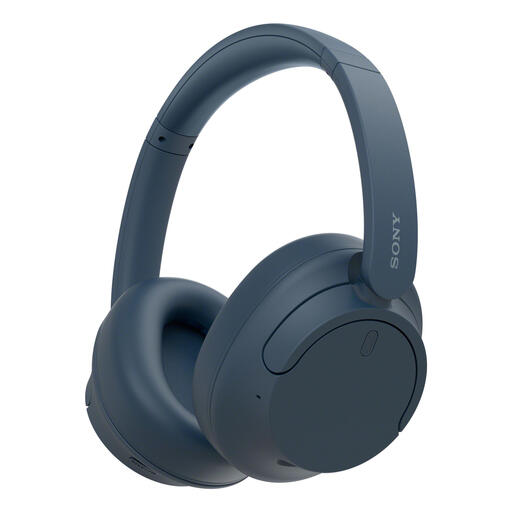
Why it suits this profile: These lightweight wireless headphones are designed for everyday use and offer multipoint connectivity for a phone and laptop.
The product information lists 35 hours with ANC and 50 hours without ANC separately, making the battery-life claim easier to assess.
192 grams, active noise cancelling, Bluetooth and fast charging, according to the product specifications.
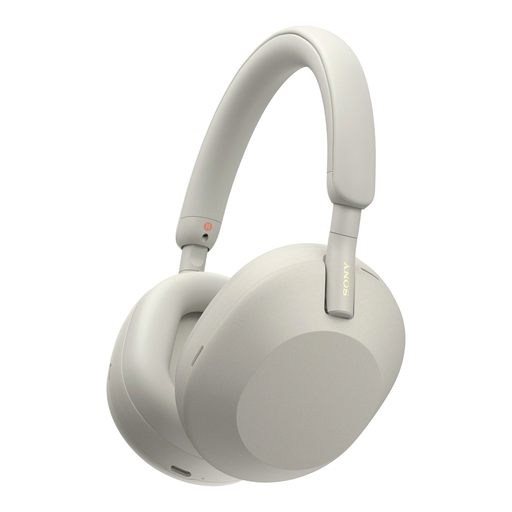
Why it suits this profile: Over-ear headphones for travellers and listeners who value multipoint connectivity, app settings and LDAC support.
The specifications list 30 hours with ANC, 40 hours without ANC and simultaneous pairing with two devices.
Four microphones per earcup according to the product information, Bluetooth 5.2, LDAC and fast charging.
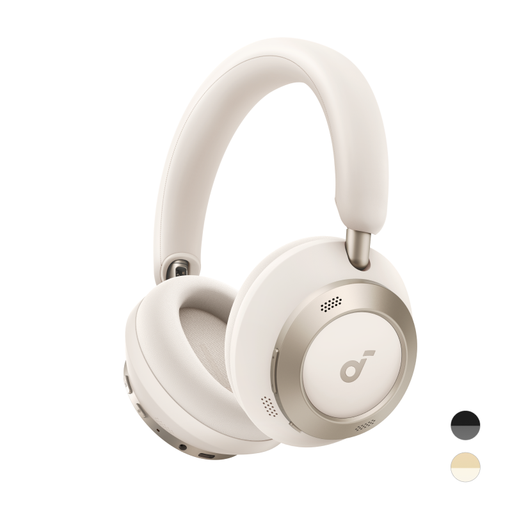
Why it suits this profile: Designed for frequent travellers and users who want to combine a foldable design with long playback time.
The product information gives battery life as 40 hours with ANC and 60 hours without ANC. The design is foldable, too.
LDAC, fast charging that provides 8 hours of playback from a 5-minute charge according to the product information, and a pressure-relieving headband.
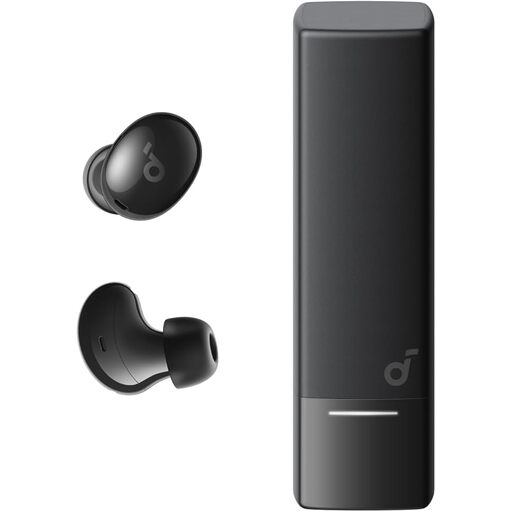
Why it suits this profile: These compact noise-cancelling earbuds are well suited to commuting, short journeys and anyone who doesn’t want to carry full-size headphones.
The product information lists 7 hours of playback per charge and up to 24 hours with the charging case, so both figures are clear.
Bluetooth 5.4, multipoint, four built-in microphones and IP54, according to the product information.
We’ve put together a complete, up-to-date list of products that meet these strict selection criteria and comply with current European safety regulations.
Yes, over-ear headphones in particular can be practical on trains, planes or buses. Look for a transparency mode, a foldable design, a carry case and battery life with ANC on. Don’t use noise cancelling in situations where you need to hear traffic or other warnings.
Playback time per charge varies by model and settings. Overall lifespan also depends on battery use, charging, storage and physical wear to the ear cushions. Check whether replacement accessories are available, and store your headphones somewhere dry and protected.
ANC uses extra power for microphones and signal processing. As a result, battery life is usually shorter with ANC on than with it off. Always compare both figures, and choose fast charging if you often use your headphones on the go.
