
Vandaag of morgen in huis

Kwaliteit gegarandeerd

Welkomstaanbiedingen ontgrendelen: GRATIS bezorging | Tot 80% korting | Gratis 30 dagen JoyPlus-proefperiode
Download de app
Wireless noise-cancelling headphones can reduce train noise, office chatter and background sounds while travelling. However, a long battery life or a label such as “ANC” does not tell you everything. The difference between a comfortable purchase and a disappointing one often comes down to wearing comfort, actual playback time and how well the headphones work with your phone and laptop.
Manufacturers often state battery life with active noise cancellation switched off. Once ANC, phone calls or a high-quality Bluetooth codec is active, usage time may be lower. So always check both figures. For example, the Sony WH-CH720N is quoted as offering up to 50 hours without noise cancellation and 35 hours with noise cancellation.
Active noise cancellation, also known as ANC, uses microphones and electronic processing to reduce ambient noise. Passive isolation mainly comes from the ear cushions or the seal provided by earbuds. A product described as offering only “noise reduction” may therefore provide something different from full ANC headphones.
A brand’s own research may quote certain attenuation values, but figures like these cannot automatically be compared between brands. Also look for a transparency or aware mode when you need to hear traffic, announcements or colleagues.
Over-ear headphones can be comfortable during long listening sessions, but too much pressure or warm ear cushions can become uncomfortable over time. In-ear earbuds are lighter and easy to carry, but the fit varies considerably from one ear to another. Check the weight, adjustability, type of ear cushion and whether multiple ear-tip sizes are included.
ANC is a useful feature for travelling and working in busy environments. Check whether its intensity can be adjusted using buttons or an app. A transparency mode lets ambient sound through, which is useful at the station or during a conversation.
Do not use headphones while cycling, driving or in other situations where you need to be fully aware of your surroundings. ANC does not reduce every sound and is no substitute for staying alert.
For everyday use, 20 to 30 hours with ANC is often sufficient. If you travel frequently or do not want to charge your headphones constantly, consider a model with long battery life. Pay attention to the difference between:
A USB-C connection makes charging easier, as the same cable can often be used for your phone or tablet too.
A modern Bluetooth headphone will usually work with a smartphone, tablet and laptop. Multipoint is useful if you want to stay connected to your phone and work computer at the same time. However, check whether this feature is available for all devices and codecs.
If you listen to a lot of music, look for AAC, LDAC, aptX Lossless or other supported codecs. A Hi-Res Audio headphone may offer more detail when the source, device and connection support it. The term does not automatically mean that every song will sound noticeably better. Recording quality, fit and personal preference are also important.
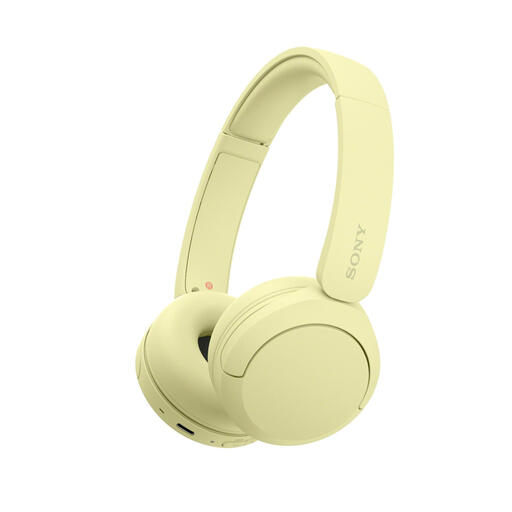
Why it suits this profile: Lightweight on-ear headphones for everyday listening, calls and work. The listed product specifications include a weight of 147 grams, multipoint and USB-C.
The product information mentions both long usage time and fast charging. Bear in mind that this model does not list active noise cancellation.
147 grams, multipoint connection, microphone and support for AAC and SBC.

Why it suits this profile: Designed for listeners who value lossless audio, spatial sound and active noise cancellation.
The quoted 30-hour battery life applies with ANC switched on, and there is a transparency mode. This makes the usage scenario clearer than quoting one standalone maximum figure.
Bluetooth 5.4, multipoint, active noise cancellation, USB-C audio and support for aptX Lossless.
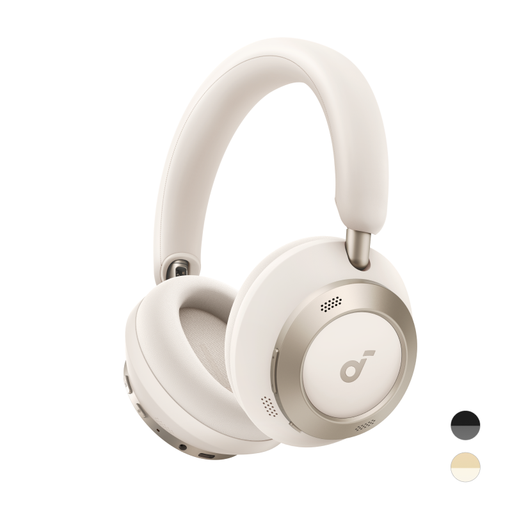
Why it suits this profile: Suitable for frequent travellers and home workers looking for a foldable design, long battery life and extensive audio codec support.
The specifications list 60 hours without ANC and 40 hours with ANC. Fast charging is also specified: according to the product information, charging for 5 minutes provides up to 8 hours of playback.
Adaptive ANC, LDAC, foldable design, six microphones and a pressure-relieving headband.
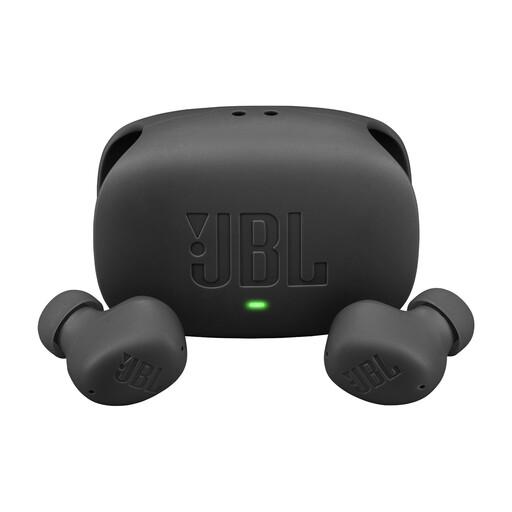
Why it suits this profile: In-ear earbuds are compact for commuting, walking and everyday use. The IP54 rating is suitable for dust and splashes, but not for submersion.
The quoted 40 hours refers to the total with the charging case and ANC switched off. The product information also states up to 8 hours per charge, making the figures easier to compare.
ANC, Smart Ambient, multipoint, USB-C fast charging and IP54 protection for the earbuds.
We have put together a complete, up-to-date list of products that fully meet these strict selection criteria and the applicable European safety regulations.
On many models, ANC also works without an active music connection, but this varies by product. It may still use battery power. Check the manual and see whether a wired connection is available if the battery runs out.
Their lifespan depends on battery wear, charging habits, hinges, ear cushions and exposure to moisture. A battery loses capacity over time. Store the headphones in a dry place, charge them with a suitable USB-C cable and avoid prolonged exposure to heat. Replaceable ear cushions can practically extend the usable life of an over-ear model.
Yes, active noise cancellation uses additional energy. As a result, battery life with ANC is often lower than the quoted maximum playback time without ANC. With earbuds, the capacity of the charging case also counts. Always compare playback time per charge as well as the total time with the case.
