
Vandaag of morgen in huis

Kwaliteit gegarandeerd

Welkomstaanbiedingen ontgrendelen: GRATIS bezorging | Tot 80% korting | Gratis 30 dagen JoyPlus-proefperiode
Download de app
A pair of wireless noise-cancelling headphones can bring calm on the train, at the office or during a long flight. Even so, not every model with “ANC” will automatically suit your needs. Marketing blurbs often emphasise a high decibel figure, long battery life or smart features, while practical details such as fit, microphone quality and charging behaviour are mentioned less clearly.
As Joybuy Product Recommendation Officer, I distil the key product information in a no‑nonsense way. That helps you avoid paying for features you’ll hardly ever use.
A manufacturer might quote noise reduction of −44 or −45 dB. That number doesn’t describe how quiet every environment becomes for every user. Effectiveness also depends on the fit, the shape of your ears and the type of sound. Low, constant tones from a train engine behave differently to voices, keyboards or sudden noises.
So treat active noise cancellation as a helpful aid, not a complete seal from your surroundings. A transparency mode is still practical when you need to hear an announcement, traffic or a colleague.
“Up to 50 hours” or “up to 100 hours” usually assumes a specific setting, often with ANC off. With active noise cancellation, higher volumes, phone calls and a multipoint connection, the usable time can be lower.
Always check:
What’s comfortable for one person may clamp too tightly on another or cause warm ears. Over‑ear headphones usually cover the ear completely, but are often bigger and heavier than on‑ear models. Earbuds are more compact, but the fit in your ear canal strongly determines how well the seal and ANC work.
Look at the weight, headband adjustability, the ear pad material and whether you can wear glasses without extra pressure.
ANC uses microphones to detect ambient noise and then generates an opposing signal to counter it. Dyson’s product information, for example, mentions eight microphones that monitor the surroundings very frequently. That’s a verifiable product spec, but it’s no guarantee that every user will have the same experience.
Passive isolation comes from the ear pads or ear tips themselves. A good seal is therefore at least as important as software‑driven noise reduction. Also check whether the model has an ambient or transparency mode.
A Bluetooth headphones works wirelessly with a smartphone, tablet or laptop. Bluetooth 5.2, 5.3 or 5.4 refers to the connection standard, but on its own it doesn’t tell you everything about range or sound quality. Codec support also plays a role. Models with AAC, SBC or LDAC can offer different transmission options depending on your device.
A multipoint connection is handy if you want to stay connected to your phone and laptop at the same time. You can then, for example, pause music when a business call comes in.
For daily commuting, headphones with long battery life can be useful. Over‑ear models usually list a single total runtime. With noise‑cancelling earbuds you need to distinguish between playtime per charge and the extra capacity in the charging case.
Also look at charging time and any fast‑charge feature. A short top‑up can be useful before you head to school, work or the station. Use the cable and power source the manufacturer recommends.
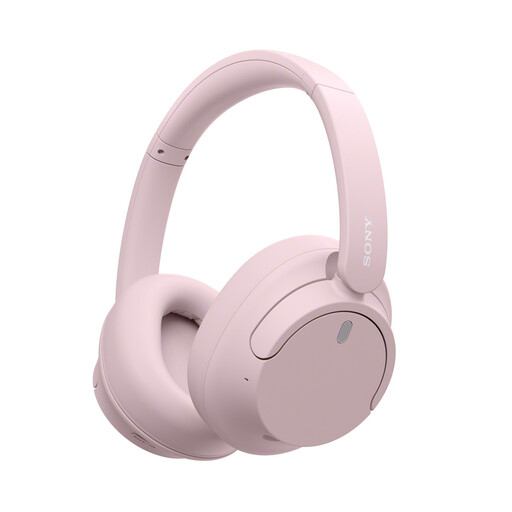
Why this suits the profile: This lightweight over‑ear model combines ANC, multipoint and an app for settings, without needing extra accessories for everyday use.
The listing distinguishes between up to 35 hours with ANC and 50 hours without ANC. That helps you put the battery claim into context.
192 grams, Bluetooth 5.2, USB‑C, multipoint and adjustable noise cancellation according to the product information.
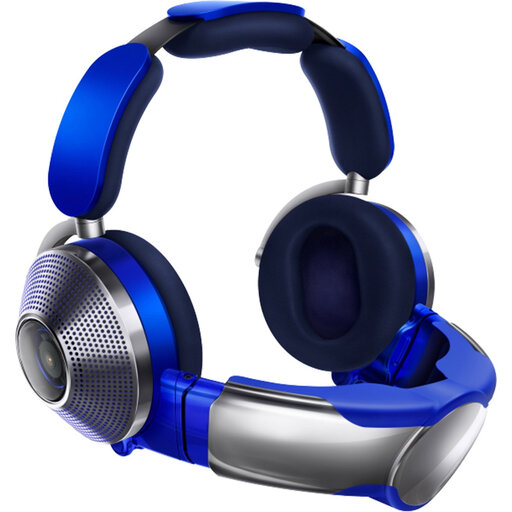
Why this suits the profile: Aimed at users who value extensive controls, a large driver and an app with EQ settings.
The product information lists a detachable cable, a rotating earcup and a warning not to clean the device with liquid.
40 mm neodymium driver, Bluetooth 5.0, USB‑C and, according to the listing, up to 50 hours of audio with ANC.
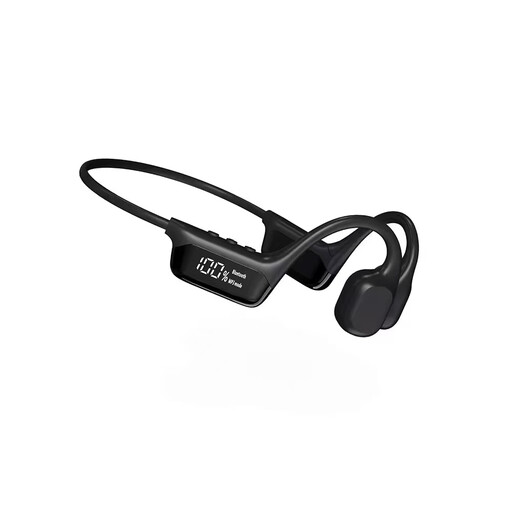
Why this suits the profile: The open‑ear design with ear hook is intended for sports and activities where you want to be less shut off from your surroundings.
The product description explicitly states that the charging port must be dry. For swimming, you must use the correct MP3 or internal mode according to the instructions.
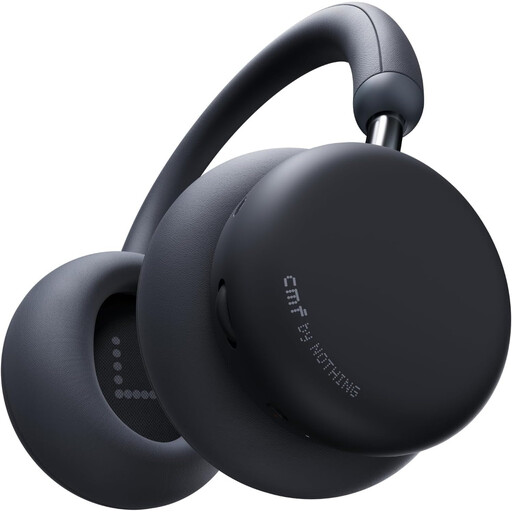
Why this suits the profile: Ideal if you listen a lot and switch between smartphone and laptop, with a focus on long runtime and adjustable ANC modes.
The listing breaks battery life out as up to 100 hours without ANC and 48 hours with ANC. That avoids confusion about real‑world usage time.
40 mm drivers, LDAC, Bluetooth 5.4, multipoint, four ANC modes and replaceable ear pads, according to the product specs.
We’ve compiled a complete, up‑to‑date list of products that fully meet these strict selection criteria and current European safety regulations.
On many models you can switch on active noise cancellation without playing music. That can be pleasant in a busy environment, but it does use battery. Check the manual to see which modes are available.
Lifespan depends on battery usage, hinges, ear pads and care. Keep your headphones dry, charge them as instructed and don’t use liquid on speaker grilles. For daily use, replaceable ear pads can be practical. For consumers in the EU, at least the statutory warranty applies; additional manufacturer terms can vary by brand and model.
That depends on the microphones and how well ambient noise is processed. Look for a built‑in microphone, noise reduction for calls and multipoint if you often switch between phone and laptop. Also check whether the manufacturer describes these features for calling, rather than only promising general sound quality.
For music, travel, calls or sport, the right form factor is at least as important as the ANC badge. So compare fit, battery life with ANC on, Bluetooth features and any usage limitations before you choose a model.
