
Vandaag of morgen in huis

Kwaliteit gegarandeerd

Welkomstaanbiedingen ontgrendelen: GRATIS bezorging | Tot 80% korting | Gratis 30 dagen JoyPlus-proefperiode
Download de app
Trains, chatty colleagues and wind while cycling can all get in the way of your listening experience. Wireless noise-cancelling earbuds may seem like a simple solution, but marketing claims don’t always tell the whole story. For example, a high dB rating doesn’t automatically mean that every sound disappears completely. Battery life, fit and microphone quality also vary considerably between models.
When choosing, look out for these three common pitfalls:
ANC stands for active noise cancellation. Microphones pick up ambient sound, then the earbuds produce an opposing signal. This is most effective against low, steady sounds such as a motor, fan or train.
ENC is generally designed to improve voice transmission during calls. It helps the microphone distinguish your voice from background noise, but it doesn’t replace active noise cancellation for music.
So check whether the product actually lists ANC. The Soundcore A30i is listed as offering noise cancellation of up to 46 dB, according to its product description. The Baseus Bass EP10 Pro is listed as offering adaptive hybrid ANC of up to 50 dB, according to its specifications. These are figures stated in the product information; your actual experience will depend on the fit, volume and surroundings.
A good transparency mode is handy when you want to hear an announcement at a station. Don’t use earbuds while driving or cycling if you need to hear what’s happening around you.
Wireless in-ear headphones will only create a good seal if the silicone eartips are the right size. A poor fit doesn’t just affect comfort; it can also make ANC seem less effective.
Check the following:
For sport, water-resistant earbuds with a suitable IP rating can be useful. IPX5 offers protection against water jets in limited conditions, while IP54 also specifies protection against dust. Neither rating means you can submerge the earbuds for an extended period.
If you commute every day, earbuds with long battery life and a charging case can come in handy. Check the charging port too: USB-C earbuds use the current cable standard and are practical if you already have a USB-C charger.
For calls, the number of microphones and the software processing are relevant specifications. More microphones don’t automatically guarantee a clear call, but models such as the Anker Liberty 4 Pro list six built-in microphones. Also check the Bluetooth version, multipoint support and whether the connection is stable with your phone and laptop.
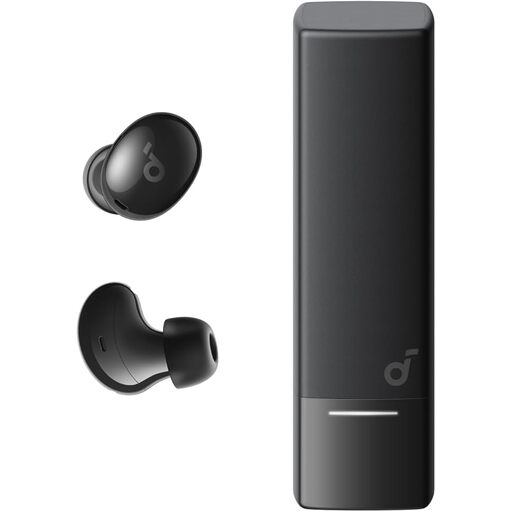
Why it suits this profile: A compact option for commuting, podcasts and everyday use, with Bluetooth 5.4 and multipoint according to the product description.
The product listing states ANC of up to 46 dB, but check the latest battery information before buying: the title and description give different playback times.
Compact design, USB-C, four built-in microphones and IP54, according to the product information provided.
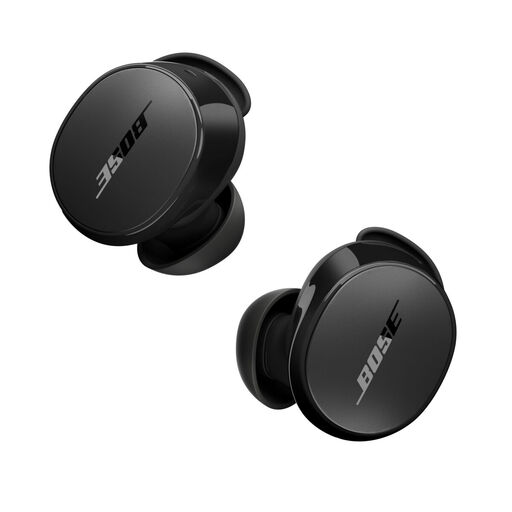
Why it suits this profile: Designed for users who value adjustable noise cancellation, an app and a comprehensive range of fit options.
The product information lists both Quiet and Ambient modes, so you can adjust the noise cancellation instead of relying on a single fixed setting.
ANC, IPX4, Bluetooth 5.3 and earbuds in three sizes with stability bands, according to the product information.
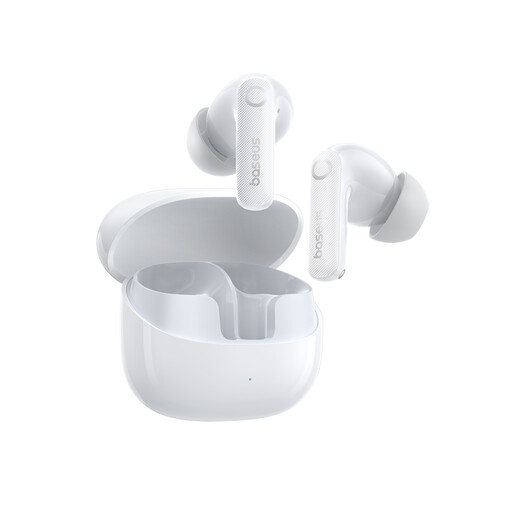
Why it suits this profile: A handy choice for long working days, travel and active everyday use, thanks to its stated battery life and IP55 rating.
The specifications distinguish between 11 hours of listening per charge and a total battery life of 55 hours; check the limitations of IP55 too.
Adaptive hybrid ANC of up to 50 dB, six microphones according to the product information, and support for USB-C and LDAC.
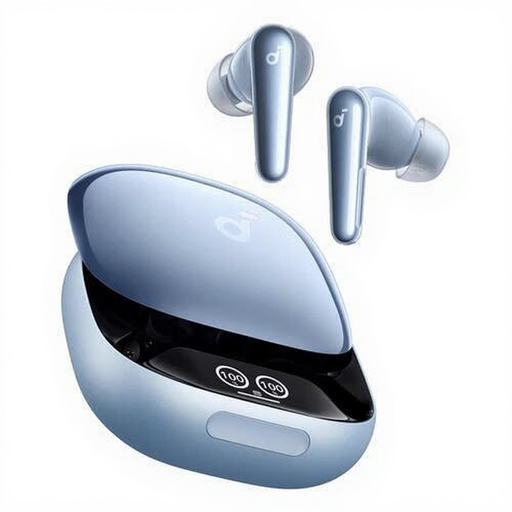
Why it suits this profile: A TWS model for calls, music and sport, with touch controls and extra eartips for a more personalised fit.
The listing states that it has six microphones, but before buying, check that the variant clearly lists the ANC features you want and the latest battery information.
IPX5, USB-C, dynamic drivers and up to 10 hours of playback, according to the specifications provided.
We’ve put together a complete, up-to-date list of products that meet these strict selection criteria and current European safety regulations.
ANC is generally most effective against constant low-frequency sounds, such as train or aircraft noise. Voices and sudden sounds aren’t always completely blocked out. A good fit and a transparency mode are therefore just as important.
Many models offer several hours of use per charge; the case extends this. Actual battery life depends on volume, ANC, calls and Bluetooth use. Keep the earbuds dry in the case and charge them with a suitable USB-C cable.
That depends on the IP rating and fit. IPX5 or IP55 may offer protection against splashes or water jets, but always check the product conditions. Let the earbuds and charging case dry completely before charging them.
