
Vandaag of morgen in huis

Kwaliteit gegarandeerd

Welkomstaanbiedingen ontgrendelen: GRATIS bezorging | Tot 80% korting | Gratis 30 dagen JoyPlus-proefperiode
Download de app
A pair of wireless noise-cancelling earbuds can make travelling by train, working in the office or taking a flight more comfortable. But a high dB rating or long battery life doesn’t tell the whole story. Some models become uncomfortable after a short time, lose their connection during calls or turn out to be less suitable for sport than their name suggests.
So look out for these three common pitfalls:
Earbuds with ANC use built-in microphones to detect background noise and create an opposing signal. Performance varies by model and also depends on the fit. A well-sealing silicone ear tip can often help reduce low-frequency background noise, but may make surrounding sounds less audible when you’re walking.
A transparency mode lets in sounds from your surroundings. This is useful at a station or when someone is talking to you. Also check how many microphones the earbuds have and whether the manufacturer mentions a call algorithm. Claims such as “filters 90% of background noise” should be treated as the brand’s own claim, not as a guaranteed experience in every environment.
Compare these three figures:
A model offering 7 hours per charge may be enough for your daily commute. For long journeys, earbuds with long battery life or wireless headphones with a larger battery are more practical. Bear in mind that high volume, phone calls and active noise cancellation can reduce battery life.
In-ear models are compact, but choosing the right ear tip size is important for comfort and passive noise isolation. A neckband model is often easier to keep track of when you’re on the move than separate true wireless earbuds. Over-ear wireless headphones may be more comfortable on long flights, but take up more space.
When choosing Bluetooth earbuds, look for:
An IPX4 or IP54 rating doesn’t mean you can rinse the product under a tap or swim with it. Always check which part of the set is protected. Standard sports earbuds aren’t automatically suitable for intensive exercise or swimming.
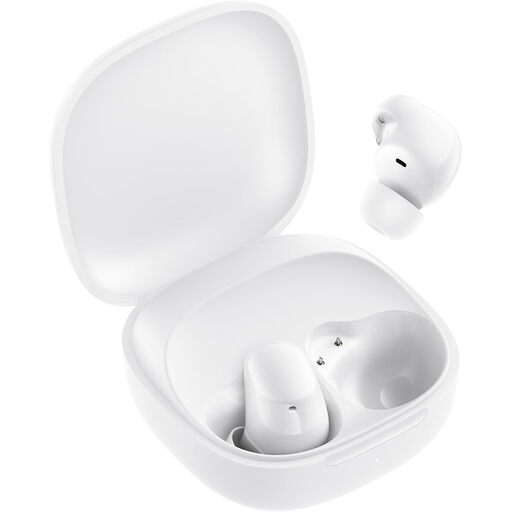
Why it suits this profile: This model is designed for everyday listening and, according to the product specifications, offers 7.5 hours of listening time per charge and 36 hours with the case.
The stated battery life clearly distinguishes between a single charge and use with the case. The IPX4 rating for the earbuds helps avoid mistaking splash resistance for waterproofing.
Bluetooth 5.4, USB-C and a weight of 3.6 grams per earbud, according to the product specifications.

Why it suits this profile: The product specifications list ANC, a two-way speaker system, 6 microphones, 360 Audio and support for Galaxy features.
Battery life is specified as 6 hours with ANC and 7 hours without it. This makes it easier to compare the claim with your own listening habits.
IP57 rating for the earbuds, USB-C, wireless charging and Bluetooth 6.1, according to the listed specifications.
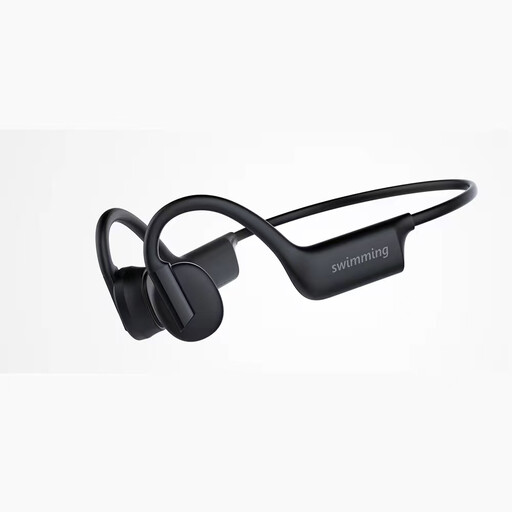
Why it suits this profile: This bone-conduction model is designed for sports use and lists 32 GB of internal memory and an IPX8 rating.
The product specifications explicitly mention use in fresh water and swimming pools. The charging contacts must be completely dry before charging; IPX8 doesn’t mean you can use the product without any restrictions.
Bone-conduction design, Bluetooth connectivity and a stated battery life of 8 hours.
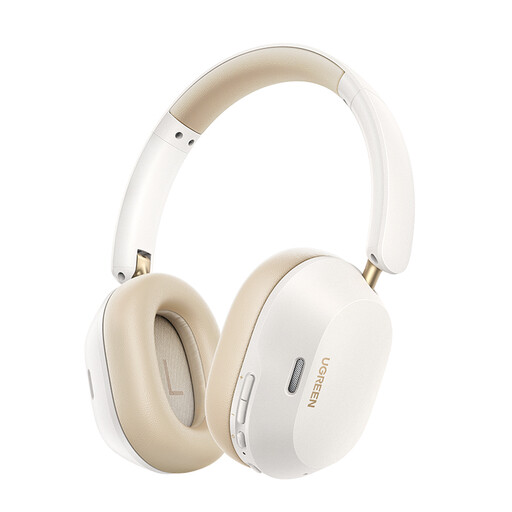
Why it suits this profile: These over-ear wireless headphones are designed for travel, music and long listening sessions with ANC.
The product specifications distinguish between 75 hours without ANC and 45 hours with ANC. There’s also a transparency mode for when you want to hear what’s happening around you.
40 mm driver, Bluetooth 5.4, LDAC support, app equaliser and a 3.5 mm connection, according to the product information.
We’ve put together a complete, up-to-date list of products that meet these strict selection criteria and the applicable European safety regulations.
That depends on the microphones, wind filtering and software. ANC mainly protects the listener from background noise. For calls, look for multiple microphones, a dedicated call noise-reduction feature and multipoint if you often switch between your phone and laptop.
Battery capacity decreases over time, as it does with other products that have a built-in lithium battery. Use the case and earbuds according to the instructions, avoid exposing them to heat and check the battery life with ANC switched on. The charging case for separate earbuds usually isn’t designed to be opened or replaced by the user.
As well as the purchase price, replacement ear tips, any app and charging accessories are worth considering. USB-C makes charging easier, as you can often use the same cable for other devices. Check the accessories and warranty conditions before ordering too.
