
Vandaag of morgen in huis

Kwaliteit gegarandeerd

Welkomstaanbiedingen ontgrendelen: GRATIS bezorging | Tot 80% korting | Gratis 30 dagen JoyPlus-proefperiode
Download de app
Wireless noise-cancelling earbuds are handy on the train, in the office, while travelling and when making calls. But a high dB rating or long battery life doesn’t tell the whole story. Fit, microphones and charging options are just as important when it comes to choosing a pair that’s comfortable for everyday use.
Brands sometimes quote maximum noise reduction in decibels, such as 49 or 50 dB. That doesn’t guarantee that all sounds will be reduced equally. Low rumbles, such as those on a plane or train, are generally easier to reduce electronically than voices or sudden noises.
So, check which modes are available:
According to OnePlus’s own product information, its ANC feature analyses the shape of your ear. Bose’s product description says CustomTune is used to adjust the sound to the shape of your ear. Treat claims like these as product features, rather than a guarantee of consistent performance in every situation.
A quoted playback time may apply when active noise cancellation is switched off, at a particular volume and under specific conditions. With ANC on, during phone calls or when frequently switching between devices, battery life may be shorter.
Check each of the following separately:
A pair of earbuds can have impressive specifications but still feel loose or uncomfortable after a while. Check whether different sizes of ear tips or stability bands are included. If you plan to use them for sport, the IP rating is also important.
IP55 means protection against dust and water jets according to the relevant rating. IPX4 indicates protection against splashes, but not complete waterproofing. Don’t wear earbuds while swimming, and follow the instructions for use. Fit and the ear tips you use also affect passive noise isolation and how well ANC works.
Bluetooth 5.3 or 5.4 doesn’t guarantee better sound or a greater range on its own. Your experience also depends on your phone, codec, software and any obstacles. For everyday use, a stable connection, quick pairing and, if useful, multipoint are important. Multipoint lets you keep the earbuds connected to, for example, a laptop and a smartphone.
For gaming, latency is the main consideration. Look for a low-latency mode if you want the sound and picture to stay in sync. For music and podcasts, codec support and driver tuning are usually more relevant.
Earbuds designed for calls often use several microphones and software to distinguish your voice from background noise. This can help when you’re talking on a busy street, but wind, traffic and a poor Bluetooth connection can still affect call clarity.
Check the number of microphones, whether there’s a wind-noise reduction feature, and what other users say about call quality in the places where you plan to use your earbuds. Product descriptions are a useful starting point, but performance can vary depending on your surroundings.
Long battery life is especially useful if you travel often or don’t have a power socket to hand. Don’t just look at the total; check how many hours you get from a single charge, too. Fast charging can be more useful than a big total figure: according to some manufacturers, a few minutes of charging can provide extra playback time.
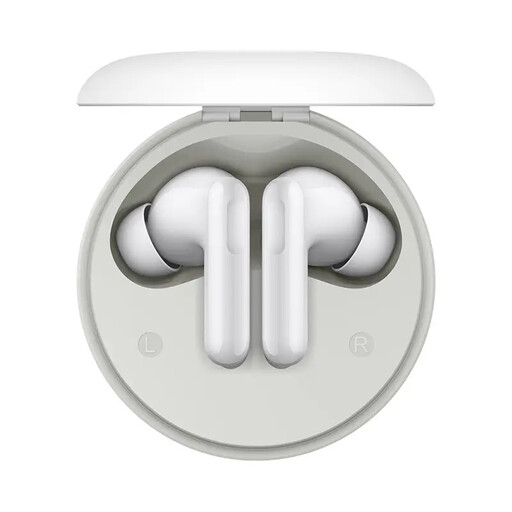
Why it suits this type of user: This model combines active noise cancellation with a quoted total battery life of 42 hours. That makes it a good choice for everyday commuting and listening to music without having to charge it often.
The available modes and app settings let you adjust ANC, transparency and controls, rather than relying on a single dB figure.
12.4mm driver, 49 dB ANC according to the product information, and a USB-C charging case.
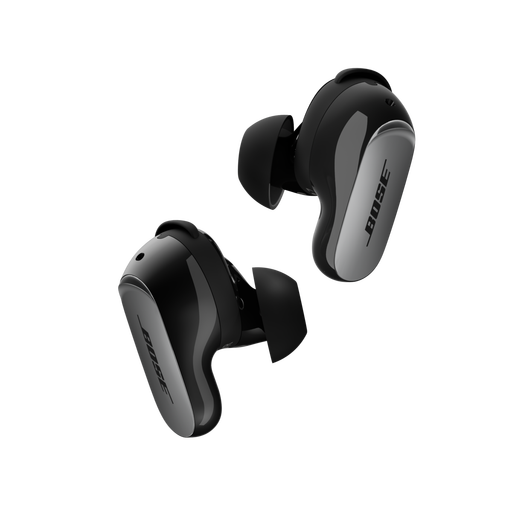
Why it suits this type of user: A good choice for listeners who value comfort, adjustable sound and the ability to use their earbuds with multiple devices.
The set includes several sizes of ear tips and stability bands, so you can find the right fit instead of relying on sound claims alone.
Bluetooth 5.3, multipoint, Aware mode, wireless charging and up to 6 hours of playback per charge.
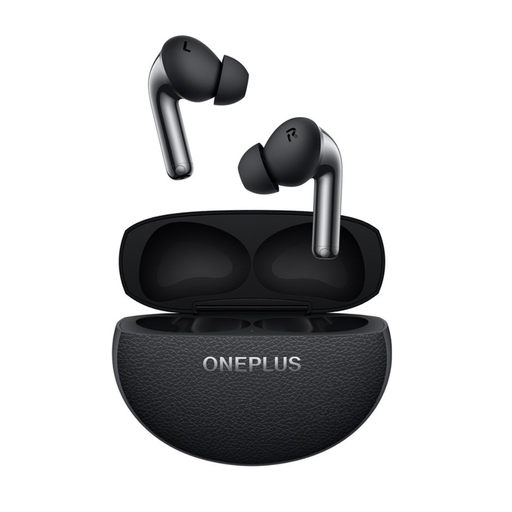
Why it suits this type of user: The combination of IP55, multipoint and microphones with VPU makes these earbuds well suited to sport, travel and regular calls.
The product information gives battery life both with and without ANC, as well as a specific IP55 rating. This makes it easier to compare the claims with how you plan to use them.
Bluetooth 5.4, two drivers per earbud, USB-C and up to 44 hours with the charging case, according to the product information.

Why it suits this type of user: The combination of multiple sensors, fast charging and six microphones is designed for commuting, travelling and making calls.
The charging case has a display and controls for ANC levels. According to Soundcore’s own information, the noise cancellation regularly adjusts to your surroundings.
Up to 10 hours per charge and, according to the product information, up to 40 hours with the case, plus six microphones and USB-C.
We’ve put together a complete, up-to-date list of products that meet these strict selection criteria and the applicable European safety requirements.
Yes, you can often switch on noise cancellation on ANC earbuds without playing music. How much background noise is reduced varies by model and environment. Use transparency mode when you need to hear traffic, announcements or colleagues.
Battery life per charge varies considerably, often ranging from a few hours to around ten hours according to the quoted product specifications. The batteries in earbuds wear down over charging cycles. To help look after them, store them in the charging case, avoid extreme heat and charge them with a suitable cable. Your statutory guarantee and any manufacturer’s terms are separate from the expected battery life.
Active noise cancellation generally uses extra power. As a result, playback time with ANC on may be shorter than the maximum quoted time with ANC off. Always check both figures if you’re choosing earbuds for long journeys or working days. Also consider the charging case’s power consumption and whether a quick charge will be enough for your everyday needs.
