
Vandaag of morgen in huis

Kwaliteit gegarandeerd

Welkomstaanbiedingen ontgrendelen: GRATIS bezorging | Tot 80% korting | Gratis 30 dagen JoyPlus-proefperiode
Download de app
Wireless noise-cancelling earbuds can often look very similar on paper. However, differences in fit, battery life and water resistance can determine whether you enjoy using them every day or leave them in a drawer after a few weeks. With Bluetooth earbuds and true wireless earbuds in particular, there are three pitfalls to watch out for: marketing claims without a clear testing method, a poor fit and battery life figures that only apply with active noise cancellation switched off.
Use this buying guide to compare the practical features of ANC earbuds for music, calls, travel, work and exercise. The product specifications below are based on the available product information. Brand claims about sound quality or noise reduction are not presented as independently verified results.
Brands sometimes quote noise reduction of, for example, 49 dB, or a percentage reduction in noise. Without details of the testing environment, frequencies and measurement method, you can’t compare these figures like for like. Active noise cancellation usually works best against constant low-frequency sounds, such as the hum of a train or plane. Voices, sudden noises and wind may still be audible.
So, look at features such as transparency mode, wind noise reduction and the option to switch ANC off, too.
A product may quote, for example, 40 or 50 hours of playback time, but this often refers to the combined capacity of the earbuds and charging case, usually with noise cancelling switched off. Always check:
For your daily commute, a short charge may be enough. For long journeys, earbuds with long battery life and a sturdy charging case are more practical.
Wireless in-ear headphones only create a good seal if the earbuds fit your ear canals. A poor fit not only reduces comfort, but can also affect passive noise isolation and how well ANC works. Check whether several sizes of silicone ear tips or stability wings are included.
Also consider the weight of each earbud. A difference of a few grams can be noticeable during extended wear. If you’re sensitive to pressure in your ear canals, an open-ear model may be a better choice. Bear in mind that open-ear earbuds generally don’t offer full active noise cancellation.
Active noise cancellation uses microphones to detect ambient sound and reduce it electronically. The experience varies depending on your ears, the fit and your surroundings. For calls, multiple microphones and wind noise reduction are useful features. A model with multipoint can also connect to, for example, a laptop and smartphone at the same time.
Check whether you can control the earbuds directly or need to use an app. Features to look for include:
The IP code indicates how well a product is protected against dust and water. IPX4 means splash resistance in practice, but it doesn’t mean you can submerge the earbuds. IP55 also provides a degree of dust protection, while IP57 indicates a higher level of protection against dust and temporary immersion, according to the stated product specification.
The charging case may have a lower IP rating, or none at all. So, dry the earbuds before placing them in the case. For exercise, sports earbuds with at least splash resistance are more suitable than models with no stated IP rating.
Bluetooth 5.3, 5.4 or 6.1 mainly tells you which connection technology is used; it doesn’t guarantee better sound. Also check which codecs are supported. AAC and SBC work with a wide range of smartphones. LHDC may be useful with compatible Android devices, but the benefits depend on your phone, software and settings.
Also consider which ecosystem you use. Apple features work particularly well with iPhone and iPad, while Galaxy Buds may offer extra features with Samsung devices. Bluetooth pairing is usually still possible with other devices, but not all additional features will be available.
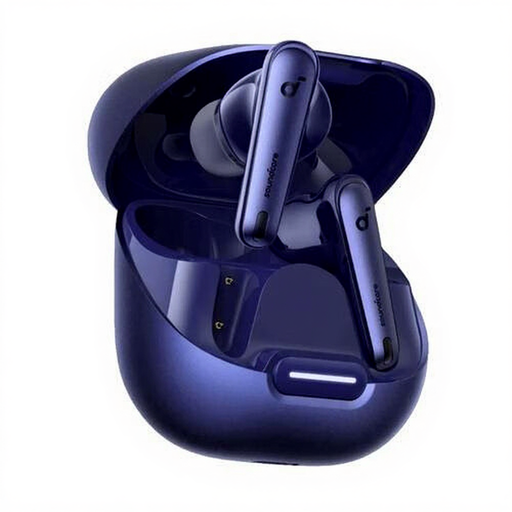
Why it suits this profile: This model combines Bluetooth 5.3, active noise cancellation and a charging case for everyday listening and calls.
The product information lists 10 hours of playback per charge separately from the charging case. When buying, check how long the battery lasts with ANC switched on.
IPX4 splash resistance, six microphones, USB-C and true wireless stereo support.
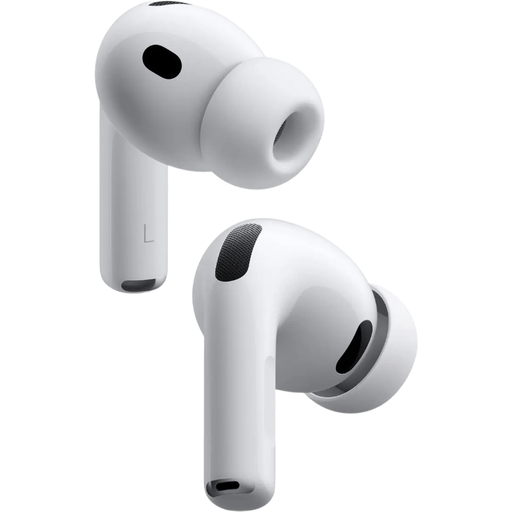
Why it suits this profile: A natural choice for Apple device users who value ANC, spatial audio and easy switching between devices.
Five sizes of silicone ear tips help you find the right fit. The stated IP57 rating shouldn’t be mistaken for unlimited use underwater.
Up to 8 hours of battery life with noise cancelling, according to the product information, plus Bluetooth 5.3 and an included charging case.
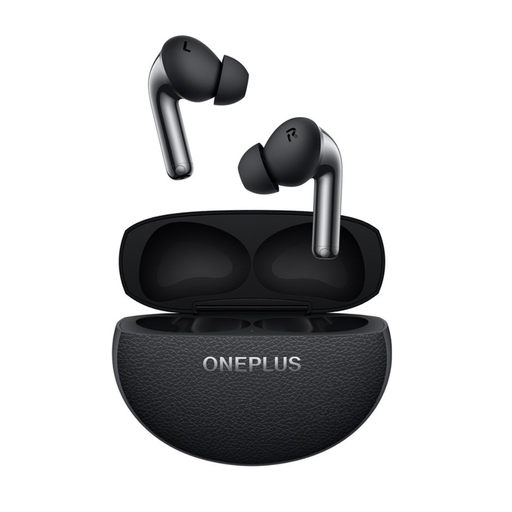
Why it suits this profile: A good fit for people who take their earbuds to work, exercise and on their commute, and want a long total playback time.
The specifications list both the earbuds’ battery life and the case’s capacity. The IP55 rating is for dust and splash resistance, not swimming.
Up to 12 hours per charge and up to 44 hours with the case, according to the product information, plus Bluetooth 5.4 and multipoint connectivity.
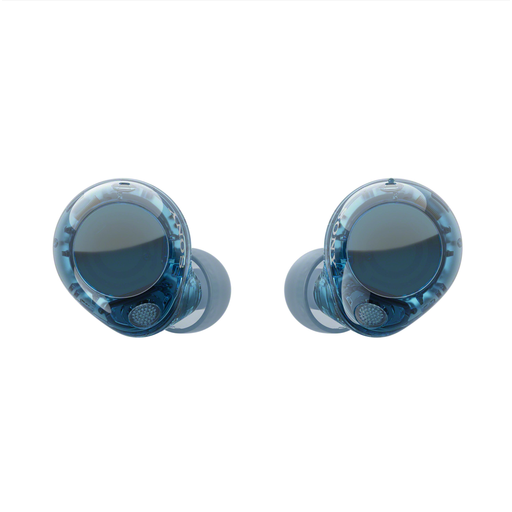
Why it suits this profile: A practical option if you switch between a smartphone and laptop and want a compact model for everyday use.
The product specifications state the battery life with ANC separately. They also make clear that IPX4 means splash resistance only.
Multipoint connectivity, USB-C, fast charging and up to 30 hours in total with ANC switched on, according to the product information.
We’ve put together a comprehensive, up-to-date list of products that meet these strict selection criteria and the applicable European safety requirements.
Yes, you can usually switch on ANC on wireless noise-cancelling earbuds without playing music. The earbuds will reduce certain ambient sounds, but they won’t block out every noise. For road safety and situations where you need to hear what’s going on around you, transparency mode or switching ANC off is a better choice.
The battery life per charge is separate from the earbuds’ overall lifespan. Batteries wear down through charging cycles, heat and prolonged use. Store the earbuds in their charging case, avoid extreme temperatures and clean them with a soft, dry cloth. Also check whether firmware updates, replacement earbuds or accessories are available.
There are usually no regular costs beyond the purchase price. However, you may need a USB-C cable or wireless charger if one isn’t included. Also allow for wear and tear on the earbuds, the possibility of losing one and reduced battery capacity over time. Under EU consumer rules, the statutory guarantee for this product category is generally at least two years; additional rights may depend on the circumstances and national law.
