
Vandaag of morgen in huis

Kwaliteit gegarandeerd

Welkomstaanbiedingen ontgrendelen: GRATIS bezorging | Tot 80% korting | Gratis 30 dagen JoyPlus-proefperiode
Download de app
Wireless in-ear earbuds often look very similar on paper. But differences in fit, battery life, microphones and moisture protection can determine whether they’re comfortable to use every day. If you focus only on the Bluetooth version, a large driver or a “noise cancelling” claim, you’re more likely to be disappointed.
In this guide, the Joybuy Product Recommendation Officer outlines the key things to consider. You’ll discover which specifications you can verify, which marketing claims need a closer look and which type of earbuds suit listening to music, making calls, travelling or exercising.
Brands sometimes give the total listening time, including the charging case. That’s different from how long the earbuds themselves last. So check both figures. A model with 10 hours of playback per charge may be more practical than one with a higher total claim but less listening time from the earbuds themselves.
Check the charging method, too. USB-C is now widely used, so you won’t need an extra type of cable. A charging case is also important for true wireless earbuds: it protects the earbuds and recharges them when you’re out and about.
In-ear headphones block some surrounding noise through their fit. This is called passive noise isolation. Active noise cancelling, often shortened to ANC, uses microphones and electronics to reduce surrounding noise. So check whether the product specifications actually state “Noise Cancellation: Yes” or mention ANC.
Treat claims about the strength of noise cancellation as claims made by the brand. According to Soundcore’s own information, the Liberty 4 Pro uses multiple sensors and adaptive noise cancellation. This tells you something about its features, but your experience may vary depending on your ears, surroundings and fit.
The IP code indicates the types of dust or water a product is protected against according to its stated rating. IP54, for example, means protection against dust particles and splashes of water under certain conditions. IPX5 refers to protection against water jets, while the X means the dust rating hasn’t been specified.
So use sports earbuds in accordance with the instructions. Sweat- or splash-resistant doesn’t automatically mean they’re suitable for swimming, showering or prolonged immersion.
A good fit affects comfort, noise isolation and bass. Check whether the earbuds come with several sizes of ear tips. Ear hooks can provide extra stability for running or working out. An open-ear model lets in more surrounding sound, which can be useful when walking or cycling, but usually offers less isolation than classic in-ear earbuds.
When choosing earbuds with a microphone, the number of microphones and the Bluetooth version aren’t the only things that matter. Their positioning, wind reduction and software also affect how your voice comes across during a call. A model with four or six microphones has more hardware for voice capture on paper, but that doesn’t guarantee the same call quality in every situation.
Bluetooth 5.3 or 5.4 can provide a modern connection, but compatibility with your smartphone is still important. Also check whether your device supports the listed audio codecs. AAC, SBC and LDAC can have different effects on transmission and sound quality.
Touch controls are handy when you’re out and about, but physical buttons can sometimes be easier to use with wet or cold fingers. If you mainly listen to music and make calls, you might also want to look for a voice assistant, volume control and the option to use either earbud on its own.
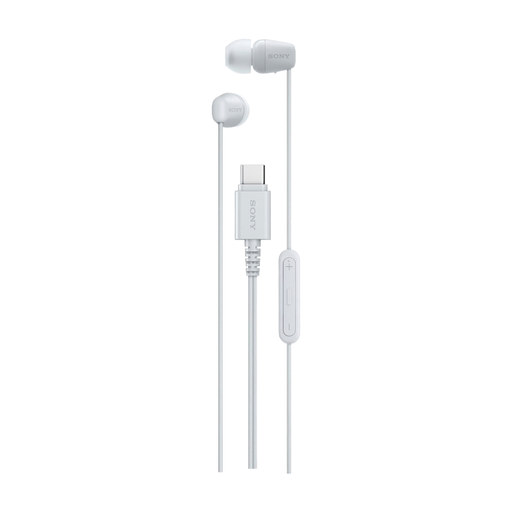
Why it suits this user: If you don’t want to manage a battery or Bluetooth pairing, this wired headset offers a straightforward way to listen to music and make calls.
The product specifications list a USB-C connection and a 120 cm cable. There’s no stated battery life that could decrease over time.
USB-C, built-in microphone, remote control and a stated weight of 3 grams.

Why it suits this user: According to the product information, this model is designed for travelling, listening to music and making calls, with active noise cancelling and multiple microphones.
The product information distinguishes between up to 10 hours of playback and up to 40 hours with the case, so you can compare both figures.
USB-C, six microphones, Bluetooth and up to 10 hours of stated playback per charge.
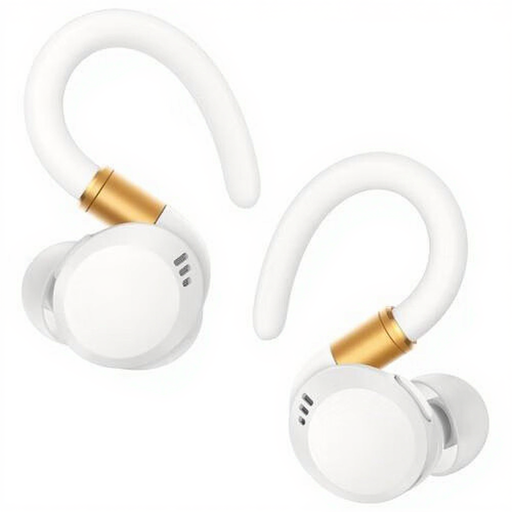
Why it suits this user: According to the specifications, the ear hook design and IP68 rating make these earbuds suitable for sport and active everyday use.
The protection is clearly stated as IP68. That’s more specific than a general claim about sweat resistance, but be sure to follow the instructions for use.
Ear hooks, AAC and SBC Bluetooth profiles, USB-C and up to 12 hours of continuous playback.
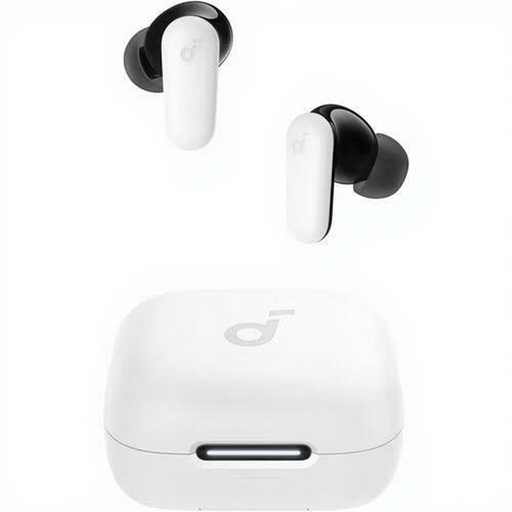
Why it suits this user: This model combines Bluetooth 5.4 and touch controls with a microphone setup that, according to the specifications, consists of four microphones.
The product specifications list the 10-hour playback time, IP54 protection and the included charging case separately.
Bluetooth 5.4, USB-C, four microphones, touch controls and a charging case.
We’ve put together a complete, up-to-date list of products that meet these strict selection criteria and current European safety regulations.
First, charge the earbuds, open the Bluetooth settings on your smartphone and select the model name. When pairing for the first time, the earbuds usually need to be in their charging case or pairing mode. If they won’t connect, remove the previous Bluetooth entry and try again.
Battery life per charge varies by model and depends on volume, codec, calls and noise cancelling. Battery capacity decreases over time. Keep the earbuds in their case, avoid extreme heat and charge them according to the instructions. Before buying, check both the playback time per charge and the extra capacity provided by the case.
It’s usually not a good idea in busy traffic. Noise cancelling and passive isolation can reduce surrounding sounds, making it harder to hear traffic or warnings. Only use earbuds where you can maintain good visibility and awareness of your surroundings, and follow local traffic rules.
