
Vandaag of morgen in huis

Kwaliteit gegarandeerd

Welkomstaanbiedingen ontgrendelen: GRATIS bezorging | Tot 80% korting | Gratis 30 dagen JoyPlus-proefperiode
Download de app
Buying a wireless headset might seem straightforward – until you have to choose between a Bluetooth headset, wireless earbuds, an on-ear model or an over-ear headset. Marketing terms such as “HiFi”, “3D audio” and “long battery life” don’t always tell you enough about everyday use.
The right choice depends mainly on fit, how you’ll use it, and the specifications you can actually check. Also watch out for conflicting product information: a model might claim 50 hours of battery life in the title, while the specification table gives a different figure. Always check the current details on the product page.
A stated playback time often applies under specific conditions – for example, at a certain volume level or with ANC switched off. With True Wireless earbuds, you also need to distinguish between the playback time of the earbuds themselves and the total playback time including the charging case.
So look out for:
This way, you can avoid a “headset with long battery life” that actually runs out sooner during train journeys with ANC turned on.
An in-ear headset is compact and, with the right ear tip, often stays in place well. However, not everyone finds the seal in the ear canal comfortable. An on-ear headset rests on your ears and is usually lighter, but can cause pressure after a while. An over-ear headset encloses your ears and generally offers more passive isolation, but takes up more space in your bag.
For sports, a splash-resistant rating is relevant. An IPX5 or IP55 rating doesn’t mean you can submerge the product. Always check exactly what the IP rating covers.
ANC earbuds and a noise-cancelling headset use microphones and electronics to reduce ambient noise. How well this works can vary depending on the type of sound. Constant low tones, such as the sound of a train engine, are a different scenario from voices or sudden noises.
According to product information from brands such as Bose, Apple, Samsung and Sennheiser, their systems adapt noise cancellation to the environment. Treat this as a product feature, not a guarantee of total silence. A transparency mode can actually be useful when you need to hear traffic, announcements or colleagues.
A modern Bluetooth connection is handy for daily use, but the version alone doesn’t determine the whole experience. Also check:
A model with multipoint, such as the Sony WH-CH520, can be connected to a phone and a laptop at the same time, according to the product information. That’s practical for working from home and making calls without having to pair again each time.
For a headset for music and calls, the number of microphones and their placement are relevant details. Some models mention wind noise reduction, beamforming or call noise reduction. These are technical features, but the final clarity also depends on wind, traffic, the phone you’re using and the Bluetooth connection.
Also check whether the controls use physical buttons or touch controls. Physical buttons are often easier to operate with gloves on; touch controls can be handy when you’re travelling.
A low product weight isn’t automatically comfortable. Also look at:
With a wireless headset for long working days, comfort is at least as important as a high battery capacity. When listening for long periods, take regular breaks and keep the volume at a moderate level.
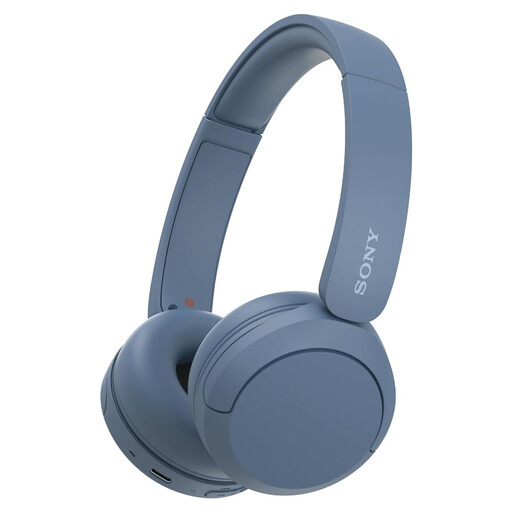
Why this fits the profile: A lightweight on-ear Bluetooth headset for music, podcasts and simple conversations, without extra features that not everyone needs.
The product information mentions an adjustable headband, soft ear cushions and multipoint connection. Do check the current battery value on the product page.
147 grams, USB-C connection, microphone and support for connecting to two devices.
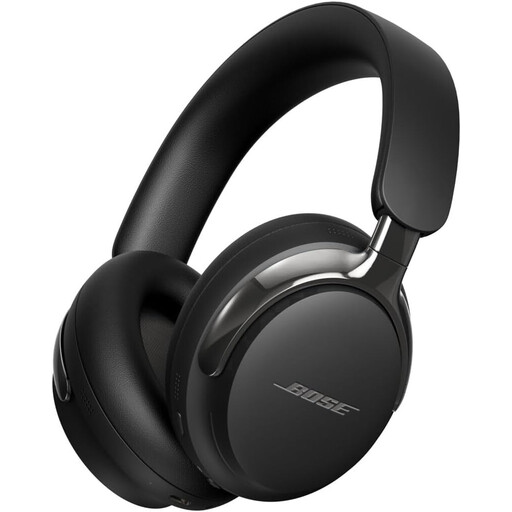
Why this fits the profile: An over-ear model for travellers and home users who want active noise cancellation, spatial audio and both wireless and wired connectivity.
The product information mentions Bluetooth 5.4, active noise cancellation and a detachable cable. This means you’re not solely reliant on the battery.
Bluetooth 5.4, 3.5mm connection, USB-C and a stated range of 9.14 metres.
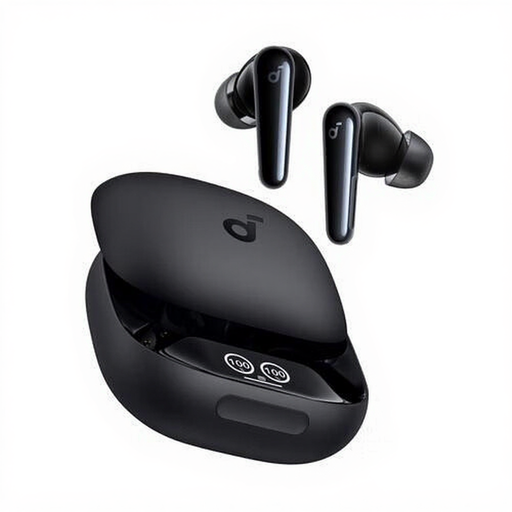
Why this fits the profile: Ideal for users who want one set of wireless earbuds for calls, music, sport and everyday use.
The specifications mention IPX5 splash protection, extra ear tips and a charging case. That helps with varied use, but the product is not designed for submersion.
TWS, six microphones, dynamic drivers, touch controls and up to 10 hours of continuous playback according to the product information.

Why this fits the profile: For long flights, train journeys and workdays where generous battery capacity and over-ear comfort are important.
The product information mentions a battery life of up to 60 hours, adaptive ANC and a transparency mode. The actual duration depends on settings and usage.
42mm drivers, four microphones, 3.5mm cable, USB-C and an app for equaliser and sound settings.
We’ve put together a full, up-to-date list of products that fully meet these strict selection criteria and comply with current European safety regulations.
First charge the headset, activate Bluetooth on your phone and put the product into pairing mode. Then select the model name from the list of available devices. With some brands, apps or features such as Google Fast Pair and Microsoft Swift Pair can help. If pairing doesn’t work, remove a previous connection and try again.
The battery life per charge varies greatly depending on the model and settings. An on-ear model can offer tens of hours of playback according to the product information, while wireless earbuds often provide a few hours per charge and are then recharged via the case. The lifespan of the product itself depends on battery wear, charging habits, moisture and physical strain.
Yes, many wireless earbuds have a built-in microphone. When buying, check the number of microphones, the stated noise reduction for calls and compatibility with your phone. For busy streets or windy locations, the environment remains the deciding factor; no product specification guarantees the same call quality in every setting.
Ultimately, don’t just compare the price – also compare the wearing style, IP rating, battery life with ANC, microphone features and warranty terms. That way, you’ll choose a wireless headset that suits your own use rather than a standalone marketing claim.
