
Vandaag of morgen in huis

Kwaliteit gegarandeerd

Welkomstaanbiedingen ontgrendelen: GRATIS bezorging | Tot 80% korting | Gratis 30 dagen JoyPlus-proefperiode
Download de app
A wireless headset may seem simple to choose: look at Bluetooth, battery life and price. However, marketing claims can give a misleading impression. For example, a large number of hours on the packaging does not always indicate how many hours of listening you will get with noise cancelling enabled. “Waterproof” does not automatically mean that a model is suitable for swimming either.
With this practical guide, you can focus on the specifications that really make a difference in the Netherlands. Compare Bluetooth headphones, wireless earbuds and open-ear models based on how you intend to use them.
Brands often state the maximum battery life at a particular volume and without active noise cancellation. With noise-cancelling headphones, ANC can reduce the operating time. So check whether the stated time applies to:
For example, the Baseus Bass EP10 Pro states up to 11 hours of listening under certain conditions, while the charging case can extend the total operating time. The Soundcore Space One is listed with up to 55 hours. Treat this as a product specification, not as a guaranteed operating time in every situation.
The IP code indicates the extent to which a product is protected against dust or water. IPX4 means resistance to splashing water, but not immersion. IP55 is suitable for protection against dust and light water jets, but not for swimming. A model with IP68 has a higher protection rating, but always follow the instructions regarding depth, duration and charging.
Also bear in mind that the charging case often has a different rating from the earbuds. Dry the earbuds and charging port completely before charging.
Active noise cancellation reduces background noise using microphones and electronic processing. This can be useful on the train, in the office or during a flight. However, it does not automatically make music sound better and may reduce your awareness of traffic. For cycling, walking in busy traffic or working in an environment where you need to hear signals, an open design may be more practical.
Bluetooth 5.2, 5.3, 5.4 or higher mainly indicates the connection standard being used. The actual experience also depends on your phone, laptop and codecs. Check whether your source device is compatible with features such as multipoint, which allows you to connect a laptop and smartphone at the same time, for example.
For calls, the Bluetooth version and codec are not the only important factors. Also look at the number of microphones and the stated noise reduction for calls. Claims such as “AI-clear calls” come from the brand’s product communications; practical performance depends on wind, distance and your surroundings.
A USB-C connection is convenient because many Dutch households already use USB-C cables. Consider the combination of:
If you travel frequently or often forget to charge your devices, you will get more benefit from headphones with long battery life than from a model that only offers a short fast-charge function.
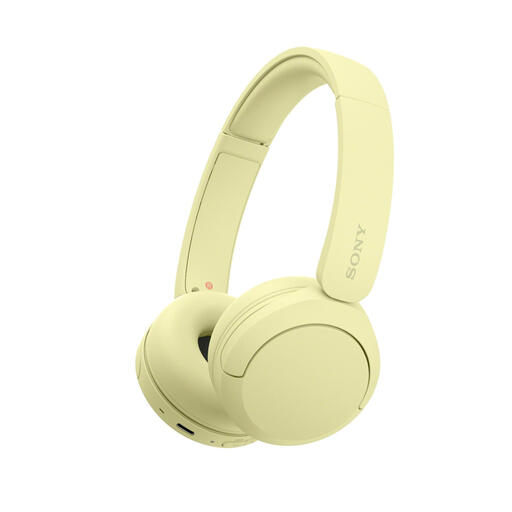
Why it suits this profile: Lightweight on-ear headphones for everyday use, working from home and travelling. The product specifications list multipoint, USB-C and battery life of up to 50 hours.
The key information is clearly specified: weight, Bluetooth codecs, USB-C and battery life. According to the description, this model is not intended for wet conditions.
147 grams, multipoint connection, USB-C and stated battery life of up to 50 hours.
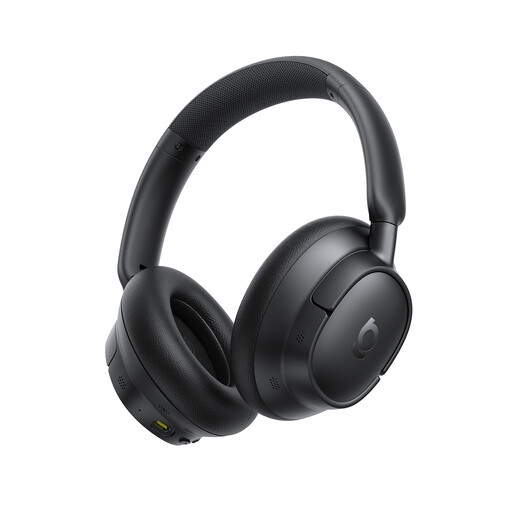
Why it suits this profile: Over-ear headphones for travelling, working and long listening sessions, with LDAC support, ANC and stated playback time of up to 80 hours without ANC.
The product specification distinguishes between use with and without ANC: up to 55 hours with ANC compared with up to 80 hours without ANC.
Over-ear design, LDAC, Hi-Res certification, five microphones and USB-C fast charging according to the product description.
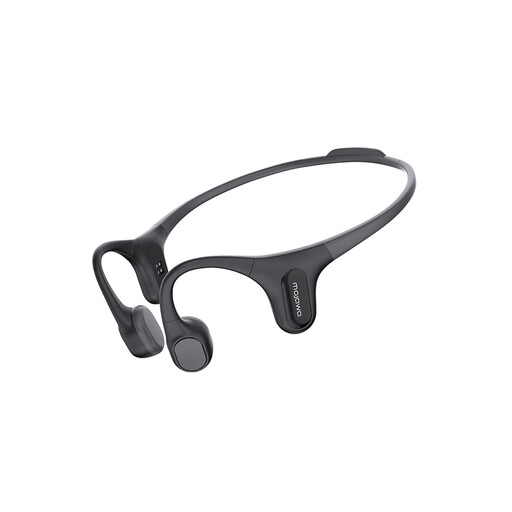
Why it suits this profile: Open-ear Bluetooth headphones for athletes who want to remain aware of their surroundings. The product information lists 32 GB of storage and IP68 water resistance.
The open-ear design prevents you from being completely cut off from background noise. For swimming and cleaning, however, follow the manufacturer’s specific instructions.
Open-ear bone-conduction design, 32 GB of built-in storage and an IP68 rating according to the product listing.
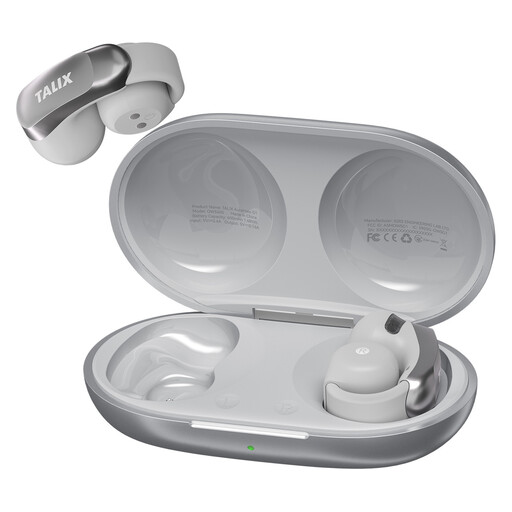
Why it suits this profile: The clip-on fit and silicone ear hook are designed for movement, online meetings and everyday use. According to the product information, each earbud weighs 5,2 grams.
The IPX4 rating is limited to sweat and light rain. This makes it clear that immersion is not intended.
Bluetooth 5.3, four microphones, up to 28 hours with the charging case and a stated fast-charging function.
We have put together a complete, up-to-date list of products that fully meet these strict selection criteria and the applicable European safety regulations.
Switch on Bluetooth on your smartphone, put the headphones or earbuds into pairing mode and select the product name from the Bluetooth list. Some models support Google Fast Pair, Microsoft Swift Pair or a brand app for quicker setup. After pairing, also check the microphone and volume permissions for calls.
Their lifespan depends on battery wear, charging frequency, moisture and physical strain. Store earbuds in the charging case, avoid prolonged exposure to heat and do not charge a wet product. You should also avoid listening at a high volume for extended periods. A stated battery life of 40 or 55 hours says nothing about how many years the battery will last.
In addition to the purchase price, charging, accessories and any battery replacement are the main costs to consider. USB-C models use a widely adopted charging standard. With wireless earbuds, you also need to factor in the charging case and small components such as earbuds or ear tips. So do not compare price alone; also consider battery life, fit, water rating and warranty information.
