
Vandaag of morgen in huis

Kwaliteit gegarandeerd

Welkomstaanbiedingen ontgrendelen: GRATIS bezorging | Tot 80% korting | Gratis 30 dagen JoyPlus-proefperiode
Download de app
Wireless headphones are useful for music, calls, travel, work and exercise. Yet the range often looks simpler than it really is. Manufacturers mention high battery capacities, powerful noise cancellation and immersive sound, but these features do not always tell you how a product performs in everyday use.
Focus on specifications you can verify. A model with lots of features is not automatically suitable for long train journeys, small ears or frequent calls. Below, you’ll find out which pitfalls to avoid and which features to check before buying.
Headphones with long battery life may sound appealing, but check how the manufacturer measures it. ANC, high volume, phone calls and an active app can all affect playback time. Also check whether the stated time applies to the earbuds alone or includes the charging case.
The Sony WH-CH520 product description mentions up to 50 hours of use, while the technical specifications state a battery life of 40 hours. This difference shows why you should not rely on a single marketing claim. Always check the full product specifications before buying.
Noise-cancelling headphones use microphones and electronics to reduce ambient sound. Their performance varies depending on the type of noise, the fit and the surroundings. Low, constant sounds such as train or aeroplane noise are generally a different scenario from voices or sudden sounds.
According to information provided by brands such as Bose, Samsung and Baseus, their models can actively reduce ambient noise. Treat such claims as product specifications, not a guarantee of complete silence. A good seal around the ears or a well-fitting in-ear earbud remains important.
Over-ear headphones surround the ear and can be comfortable for working from home or travelling, but they take up more space. On-ear headphones rest on the ear and are often lighter, but may create pressure after prolonged wear. In-ear earbuds are compact, but the fit varies considerably from person to person.
For cycling, walking and working in a busy environment, a transparency mode can be useful. When exercising, sweat resistance and a secure fit are more important than simply having a large driver. Also remember that an IP rating is not permission to submerge a product.
Choose according to your situation:
Check whether the headband is adjustable, whether the ear cushions can be replaced and how much the model weighs. With earbuds, the weight, the included fit options and the shape of the housing are important.
Bluetooth 5.x mainly indicates the connection standard; it does not determine sound quality on its own. Also check which codecs are supported, such as SBC, AAC or LDAC, and whether your smartphone supports them.
A microphone is important if you are looking for headphones for music and calls. Multipoint allows simultaneous connections to, for example, a phone and laptop. This is practical when working from home, as you can switch between music and an incoming call without pairing again each time.
Compare battery life under the same conditions. Look out for:
A product claim of 55, 80 or 100 hours is only meaningful if you know which settings apply. According to the product information, the CMF Headphone Pro offers up to 100 hours without ANC and up to 48 hours with ANC. That is a different usage scenario from the maximum figure shown on the packaging.
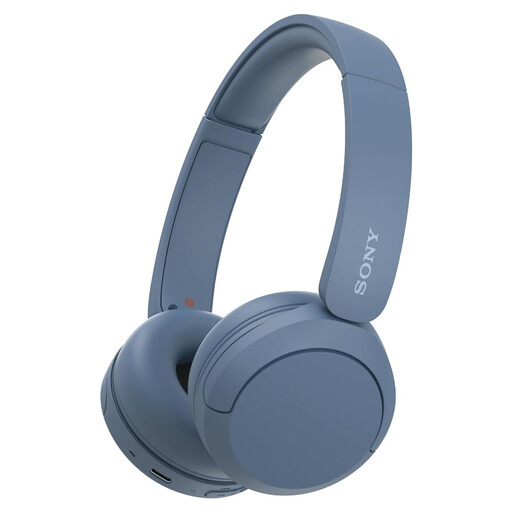
Why it suits this profile: The lightweight on-ear design, button controls and multipoint connection are ideal for everyday use with a phone and laptop.
The product information mentions both 40 hours and up to 50 hours of battery life. Always check the current specifications before ordering; the model has no stated water-resistance rating.
147 grams, USB-C, AAC/SBC codecs, microphone and multipoint connection.
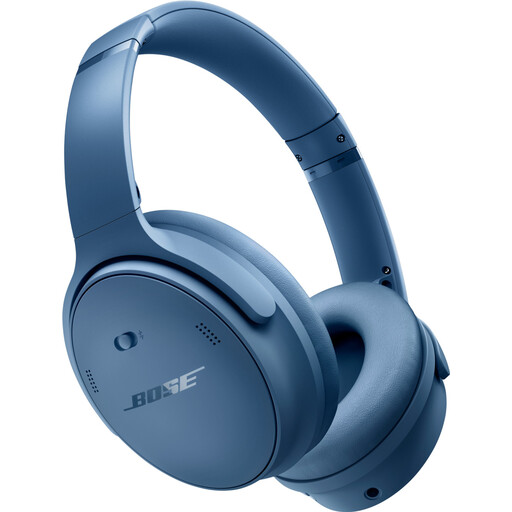
Why it suits this profile: This over-ear model is designed for comfort, wireless listening and active noise cancellation when travelling or working.
The stated battery life is 24 hours, not unlimited. This makes it clearer in advance when charging will be needed during journeys or working days.
Over-ear design, ANC, Bluetooth 5.1, multipoint and support for 2.5 mm and 3.5 mm connections.

Why it suits this profile: Compact wireless earbuds with ANC, an IP57 rating and features designed for users of Galaxy devices.
The product information lists 6 hours with ANC, 7 hours without ANC and a total playback time with the case separately. This makes it easier to match the figures to your usage.
ANC, Bluetooth 6.1, IP57, wireless charging, six microphones and multipoint-style Auto Switch within the Galaxy ecosystem.
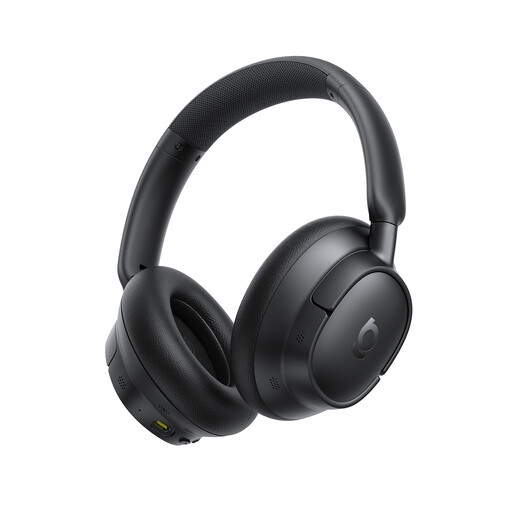
Why it suits this profile: The over-ear design with ANC, multipoint and a stated long playback time is aimed at travelling, office work and intensive everyday use.
The product description distinguishes between up to 80 hours without ANC and 55 hours with ANC. Compare these figures with the settings you expect to use.
Bluetooth 6.0, LDAC, USB-C, hybrid ANC, multipoint and five microphones according to the product information.
We’ve put together a complete, up-to-date list of products that fully meet these strict selection criteria and the applicable European safety regulations.
Put the headphones into pairing mode, open your phone’s Bluetooth settings and select the product name. With some models, Google Fast Pair, Microsoft Swift Pair or the brand’s app can help. If it doesn’t work, remove an earlier pairing and charge the device sufficiently first.
This depends on battery use, hinges, ear cushions and maintenance. Keep the model dry, charge it with a suitable USB-C cable and avoid prolonged exposure to heat or moisture. When buying, also check whether the ear cushions can be replaced and what warranty or repair terms apply.
Yes, active noise cancellation uses additional electronics and can reduce battery life. Always compare playback time with ANC switched on and off. Turn ANC off when you do not need it, and use transparency mode when you need to remain aware of surrounding sounds.
