
Listening on a noisy train
You want to understand spoken museum audio without constantly turning up the volume. The WHO identifies well-fitting noise-cancelling headphones as one way to reduce the need for high volume in noisy environments.


For a museum talk on a noisy train, well-fitting headphones or earbuds with noise cancelling can help reduce background noise. The WHO identifies this as one way to make you less likely to turn up the volume. If you want to hear train announcements, check whether you can quickly switch to ambient sound or transparency mode, and stay alert: these modes don’t guarantee that you’ll hear every announcement. Then weigh the comfort and size of over-ear headphones against the fit of in-ear earbuds.
You want to understand spoken museum audio without constantly turning up the volume. The WHO identifies well-fitting noise-cancelling headphones as one way to reduce the need for high volume in noisy environments.
You want to listen to the talk while still being able to hear travel information. NS says that up-to-date travel information is announced on trains.
You’re weighing comfort during longer listening sessions against the space headphones or earbuds take up. The Consumers’ Association describes over-ear headphones as comfortable for long listening sessions, but relatively bulky in a bag.
Start by considering how much noise isolation you want and how ambient sound is controlled. Then compare fit, size and battery life.
| What matters | What to look for when buying | Who is this important for? |
|---|---|---|
| Understanding speech over train noise | Look for a good seal and noise cancelling; try the fit if possible. | I want to understand the museum talk without constantly turning up the volume; around 36% of consumers prioritise speech clarity. |
| Being able to hear announcements | Check whether there’s an ambient sound or transparency mode and how to activate it. | I don’t want to miss up-to-date travel information while listening; around 29% of consumers prioritise announcements. |
| Fit and size on a longer journey | Consider comfort and space in your bag; for in-ear earbuds, check that the tips fit well. | On longer journeys, I want something comfortable to wear that doesn’t take up too much luggage space; around 21% of consumers prioritise comfort and size. |
| Battery and connection | Compare battery life using the same settings and check Bluetooth pairing with your playback device. | I want my playback device to stay connected throughout the journey and the battery to last; around 14% of consumers prioritise battery and connectivity. |
Transparency mode doesn’t guarantee that you’ll notice every announcement, and noise cancelling doesn’t necessarily remove all voices.
Try switching between listening modes and keep an eye out for travel information yourself.
Claimed battery life can vary depending on whether noise cancelling is on or off. For earbuds, the total listening time may also include the charging case.
Compare claimed battery life using the same settings, and distinguish listening time per charge from the extra time provided by the case.
A small size alone says nothing about comfort or how well in-ear earbuds seal.
If possible, try the fit and check whether you find the earbuds or headband comfortable to wear on your journey.
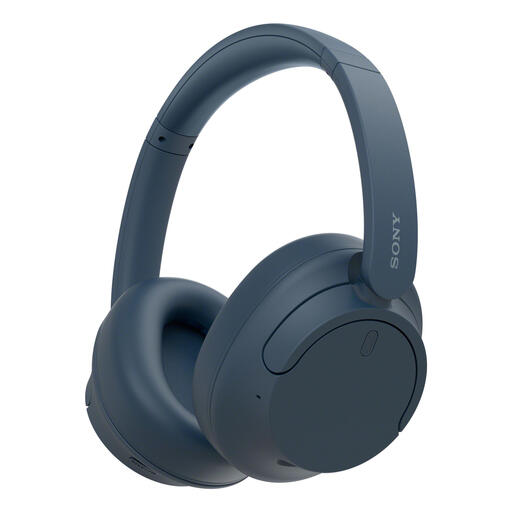
The WH-CH720N is an over-ear model, while the WF-1000XM6 is a more compact in-ear option.
The ACCENTUM Wireless is an over-ear option with transparency mode; ACCENTUM True Wireless is a more compact alternative.
The Tour One M3 is an over-ear model with noise cancelling and Bluetooth, cable and USB-C audio connections.
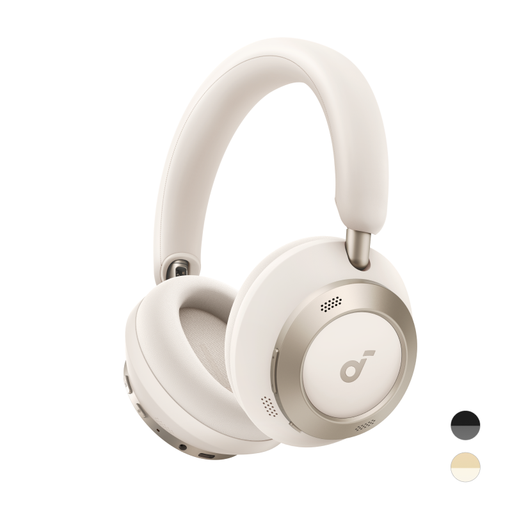
The Space One is a foldable over-ear option with adjustable transparency and noise cancelling.
The QuietComfort Ultra Headphones (2nd Gen) are an over-ear option with adjustable noise cancelling and removable ear cushions.
This selection includes wireless over-ear and in-ear models with noise cancelling. Compare their size and how they let in ambient sound.
 No image available
An over-ear model with noise cancelling for listening to spoken audio on a noisy train.
Sennheiser states that battery life is up to 60 hours; when comparing, check which listening settings apply to this figure.
 No image available
These over-ear headphones are designed for listening while reducing train noise.
Sony Netherlands states up to 35 hours with noise cancelling on and a weight of 192 g.
 No image available
An over-ear model with active noise cancelling for listening to spoken audio on a train journey.
The design folds down; compare its folded size with the space you have in your bag.
 No image available
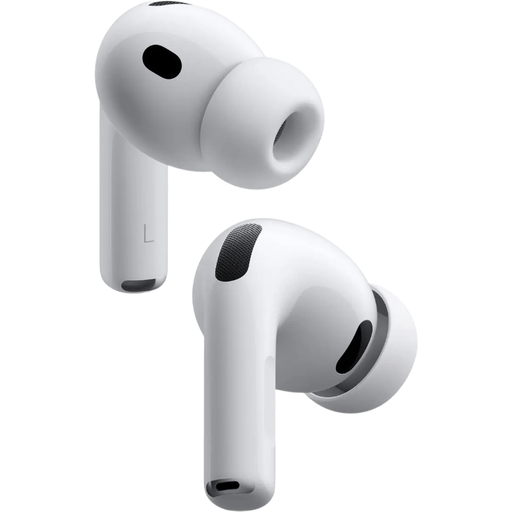
In-ear earbuds with active noise cancelling and transparency mode for anyone considering a compact design.
Check how the earbuds fit; comfort and the seal also depend on how they sit in your ears.
 No image available
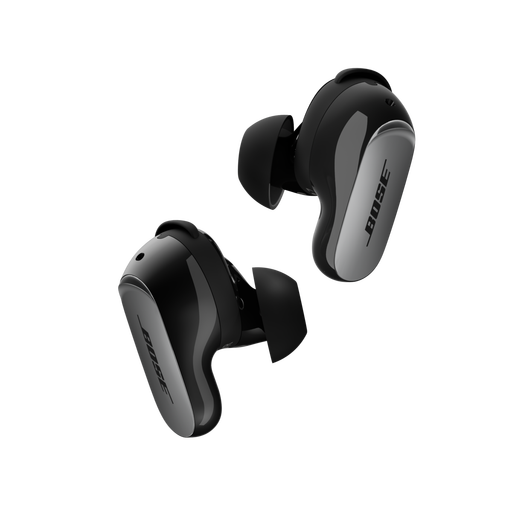
These in-ear earbuds combine active noise cancelling with Aware Mode, so you can choose how much ambient sound to let in.
Check the fit using the supplied ear tip sizes and see whether you find the in-ear design comfortable on your journey.
No. Choose the setting that suits the level of train noise and how much you need to hear travel information. The WHO identifies well-fitting noise-cancelling headphones as one way to reduce the need for high volume in noisy environments; NS says that up-to-date travel information is announced on trains.
Check whether the headphones have an ambient sound or transparency mode, and try switching it on before you travel. According to the manufacturer, the NC button on the soundcore Space One switches between noise cancelling and transparency by default; keep an eye out for travel information yourself, too.
Compare the stated battery life using the same settings, such as with noise cancelling on. For in-ear earbuds, consider listening time per charge separately from the extra listening time provided by the charging case.
Not necessarily. According to the Dutch government, you’re entitled to a product that works properly in the Netherlands. If a fault is covered by the legal guarantee, the seller must offer a solution; there’s no fixed legal guarantee period. Before paying for extra cover, check what additional rights it actually gives you.
In its campaign, NS asks passengers to be considerate of others and to use earbuds or headphones when listening. Keep the volume low enough not to disturb others, and stay alert for travel information.