If you want to follow spoken theatre audio while it’s noisy at home, start with well-fitting, closed-back over-ear headphones and compare isolation tests for the specific model. If you need to be able to hear other people at home, a switchable ambient mode is more practical, although it will also let distracting sounds through. Also check that the headphones are comfortable during longer listening sessions and that your phone, computer or television supports the required audio connection.
Who is this for?
Listeners who want to shut out distractions
You want to follow spoken theatre while background noise at home is distracting. A good fit and tested noise isolation matter more than an ANC label alone; VeiligheidNL points out that a good seal helps prevent sound from leaking in.
Listeners planning long sessions
You listen to a full performance or several episodes in a row, so you’ll want to consider the fit, pressure on your ears and battery life. The Consumentenbond notes that over-ear models with soft ear cushions are often comfortable for long listening sessions.
Listeners who want to stay approachable at home
You want to follow spoken audio while still being able to hear someone at home from time to time. A switchable ambient mode can be useful; check how to activate it on each model.
What should you look for?
| What to consider |
What to look for when buying |
Who is this important for? |
| Following speech over background noise |
Look for a well-fitting over-ear design and tests of the specific model’s noise isolation; an ANC label doesn’t prove that voices at home will be reduced. |
If I want to follow conversations clearly despite the noise, I look at both fit and model-specific tests. Around 33% of consumers give speech clarity top priority. |
| Comfort during long listening sessions |
Consider pressure on your ears and head and, if you wear glasses, whether the arms affect the seal of the ear cushions. |
When I’m listening to a long programme, I don’t want uncomfortable pressure on my ears or head. Around 27% of consumers put long-wearing comfort first. |
| Being able to hear people at home |
Check whether the model has an ambient mode and how easily you can switch between that and noise isolation. |
If someone at home may need to speak to me, I want to hear what’s going on around me without taking off my headphones. Around 20% of consumers prioritise being able to stay connected. |
| Connecting to your audio source |
For a television, check that it supports the required Bluetooth audio profile; only consider multipoint if you want to switch between devices. |
When I listen via my television, phone or computer, the headphones need to be able to connect properly. Around 20% of consumers put source compatibility and controls ahead of other considerations. |
Common mistakes
-
Assuming an ANC label means voices will disappear
Noise reduction varies by model and type of sound. Even a model that reduces background noise may provide less isolation if it doesn’t fit well.
Look for an isolation test of the specific model and pay attention to the fit, especially if you wear glasses.
-
Choosing an open or compact design without considering noise
An open design lets in more surrounding sound, while on-ear headphones can put more pressure on your ears. These features aren’t necessarily suited to long listening sessions in a noisy room.
First decide whether shutting out noise or staying approachable at home matters more to you.
-
Assuming Bluetooth on a television is all you need
A television with Bluetooth doesn’t necessarily support the profile needed for headphone audio. Sony warns that this can make direct pairing unsuccessful.
Check the audio profiles supported by the exact television model before relying on this way of listening.
-
Confusing the manufacturer’s warranty with your full statutory rights
In the Netherlands, your statutory rights if a product develops a fault depend on what you could reasonably expect from it with normal use; they are not the same as a fixed manufacturer’s warranty period.
Keep your proof of purchase and contact the retailer if the product develops a fault early on. ACM ConsuWijzer explains how statutory rights work.
Brands to consider
Sony
The WH-1000XM5 is an over-ear model with noise cancelling and an ambient sound mode, making it worth considering when comparing noise isolation with the ability to hear people around you.
- Sony Netherlands states that the WH-1000XM5 offers up to 30 hours of playback with noise cancelling switched on.
- An independent test of the WH-1000XM6 doesn’t automatically apply to the WH-1000XM5; fit also affects the seal.
Sennheiser
The MOMENTUM 4 Wireless is an over-ear option for comparing adjustable sound and the ability to switch between noise isolation and ambient sound.
- Sennheiser lists adaptive ANC, a transparency mode, an equaliser and up to 60 hours of playback on a full charge.
- The stated battery life is a manufacturer specification and doesn’t indicate how clearly you’ll hear theatre dialogue in a noisy home.
JBL
The LIVE 770NC is an over-ear model, while the LIVE 670NC is on-ear. This difference in fit may be worth considering.
- JBL lists ANC and Smart Ambient for these models.
- These feature names alone don’t tell you how well conversations at home will be reduced.
Bose
The QuietComfort Ultra Headphones (2nd Gen) are an over-ear option to compare for fit, controls and seal.
- Bose lists Bluetooth audio, an audio input and up to 30 hours of battery life.
- The stated battery life is a manufacturer figure and doesn’t provide an independent comparison of how clearly you can hear theatre dialogue.
Products at Joybuy
These products are wireless over-ear models with noise cancelling. The ambient or transparency modes mentioned are useful if you want to hear sounds in the room from time to time.
 No image available
Sennheiser MOMENTUM 4 Wireless, black
The over-ear fit and Transparency Mode are suited to listening with less ambient noise while still being able to hear sounds in the room from time to time.
Sennheiser lists adaptive ANC and up to 60 hours of playback on a full charge.
View at Joybuy
 No image available
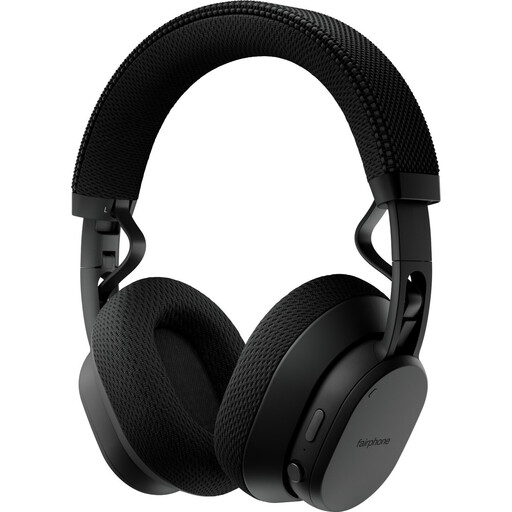
Fairphone Fairbuds XL 2025, black
This closed-back over-ear model features both noise cancelling and a mode that lets ambient sound through.
Battery life is stated as up to 26 hours with ANC on; the battery is replaceable.
View at Joybuy
 No image available
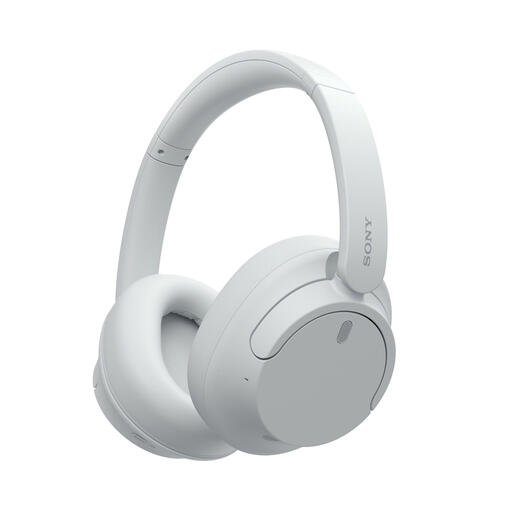
Sony WH-CH720N, white
The product information lists ANC and an Ambient Sound mode for switching between noise reduction and sounds from your surroundings.
Battery life is stated as up to 35 hours with ANC on; multipoint is also listed.
View at Joybuy
 No image available
Sonos Ace, black
This wireless over-ear model features ANC and an Aware or Transparency mode that lets ambient sound through.
Battery life is stated as up to 30 hours with ANC on; the controls are on the headphones.
View at Joybuy
 No image available
Sony WH-1000XM5, silver
These over-ear headphones feature noise cancelling and an ambient sound mode, so you can weigh up whether to shut out noise or hear what’s going on around you.
Sony Netherlands states that battery life is up to 30 hours with noise cancelling switched on, and that multipoint is supported.
View at Joybuy
Frequently asked questions
Is ANC enough to block out voices from people at home?
Don’t assume so: noise reduction varies by model and type of sound. Some specific models reduce background conversations, but check tests of the model you’re considering and make sure it fits well.
How can you listen safely when it’s noisy at home?
Avoid repeatedly turning up spoken audio to drown out the sounds around you. VeiligheidNL recommends considering both listening volume and listening time; well-fitting headphones can help you keep the volume down.
Can you connect wireless headphones directly to your television?
Only if the television supports the required Bluetooth audio profile. Sony warns that a television may have Bluetooth without offering a suitable headphone connection. So check the exact television model.
What can you do if your headphones no longer seal as well?
Check the ear cushions for wear and follow the care instructions for your model. Sony explains how to replace the cushions on the WH-1000XM5 and warns that incorrectly positioned noise-dampening material can interfere with noise cancelling; these instructions don’t automatically apply to other models.
What are your rights if headphones bought online don’t fit comfortably or break too soon?
For an online purchase in the Netherlands, you generally have a statutory 14-day cooling-off period after delivery; check whether an exception applies, for example to a sealed hygiene product. If a product is faulty, you can hold the retailer responsible under your statutory rights. ACM ConsuWijzer explains the cooling-off period and your rights.


