
Listeners of soft dialogue
You replay passages to follow the words and pronunciation, and don’t want to keep turning up the volume. The Consumentenbond includes speech clips when assessing headphones.


Prioritise natural-sounding speech at a comfortable, low volume. Also assess noise cancellation and fit in the environment where you study. Over-ear headphones may suit long listening sessions, while a more compact on-ear model is easier to carry but may put more pressure on your ears. Manufacturers’ specifications do not prove that a model reproduces soft theatre dialogue more clearly.
You replay passages to follow the words and pronunciation, and don’t want to keep turning up the volume. The Consumentenbond includes speech clips when assessing headphones.
You want to limit distractions while listening, but assess dialogue reproduction separately from the reduction of background noise. The World Health Organization recommends well-fitting noise-cancelling headphones to reduce the need to turn up the volume in noisy situations.
You wear your headphones for longer periods and take fit, pressure on your ears and battery life into account. The Consumentenbond notes that on-ear models can be more compact but may put more pressure on your ears.
Choose this when: you listen for long periods in a space where background noise is distracting.
The trade-off: over-ear headphones take up more room in your bag; noise cancellation won’t automatically make softly recorded words easier to understand.
Choose this when: portability matters and you usually study in a quiet space.
The trade-off: on-ear models are more compact but may put more pressure on your ears, so try them out during a realistic listening session.
| What to consider | What to look for when buying | Who it matters most to |
|---|---|---|
| Following soft speech | Compare independent reviews of speech on the exact model; if possible, listen to the same quiet scene at a comfortable volume. | If you want to follow words and pronunciation in quiet passages without constantly turning up the volume, natural-sounding speech should be your first priority. Around 36% of consumers put soft speech first. |
| Distractions from background noise | Assess the fit and noise cancellation in an environment similar to where you study; reducing low-frequency hum does not automatically tell you how nearby voices will sound. | If the sounds around you distract you during quiet scenes, you’ll want to know how the headphones perform in your space. Around 29% of consumers give limiting background noise their top priority. |
| Comfort when listening repeatedly | Try the model with any glasses you wear and assess the pressure during a study session; compare on-ear and over-ear fits. | If you wear your headphones for long periods, you’ll want them to remain comfortable throughout a full study session. Around 21% of consumers prioritise long-wearing comfort. |
| Portability and connectivity | Check compatibility with your phone or computer and compare battery life only with the same noise-cancelling setting. | If you study in different places or switch between devices, size and connection options matter more. Around 14% of consumers put portability and device connectivity first. |
Noise cancellation and natural-sounding dialogue are separate things to assess. Reducing background noise does not prove that soft words in a recording will be easier to understand.
Compare speech clips and noise cancellation separately. Try the quiet scene at a comfortable volume.
Manufacturers may quote different maximum battery life figures for use with noise cancellation on and off. For example, Sony quotes up to 30 hours with noise cancellation on and 40 hours with it off for the WH-1000XM6.
Compare battery life only using the same setting, and check which mode the quoted figure applies to.
If you base your expectations on the figure for noise cancellation off, you may need to charge the headphones more often while using them.
In the Netherlands, your statutory guarantee is separate from any manufacturer’s or seller’s warranty. If there’s a fault, the seller is your point of contact.
Read the additional warranty terms and contact the seller if there’s a fault.
The WH-1000XM6 is an over-ear model with ambient sound mode, multipoint connectivity and an audio cable included.
The JBL Live range includes the over-ear Live 780NC and the more compact on-ear Live 680NC, giving you two different fits to compare.
According to Sennheiser, the MOMENTUM 4 Wireless combines an over-ear fit with adjustable EQ, adaptive noise cancellation and a transparency mode.
According to soundcore, the Space One is an over-ear model with adaptive noise cancellation and adjustable transparency.
These Joybuy picks are over-ear models to compare for studying soft dialogue, with background noise and wearing comfort in mind. Assess speech reproduction separately from the listed features.
 No image available
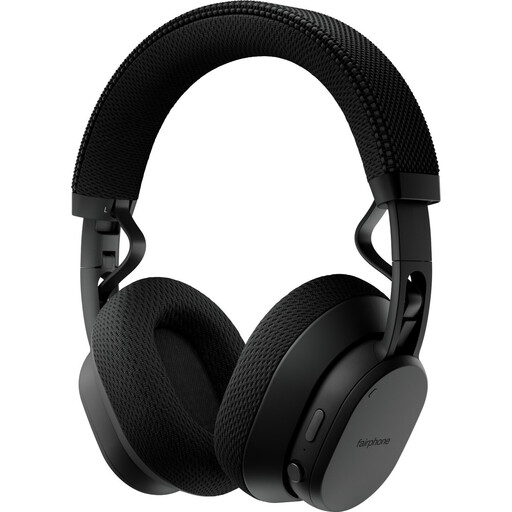
An option to compare if you’re looking for over-ear headphones for study sessions; assess soft speech separately from noise cancellation.
The product name lists noise cancellation and 60-hour battery life.
 No image available
A model to compare if you’re looking for over-ear headphones for longer listening sessions; try the fit and speech reproduction for yourself.
 No image available
An option if you’d like to compare over-ear Bluetooth headphones for studying; listen to a familiar quiet scene to assess speech reproduction.
The product name lists Bluetooth.
 No image available
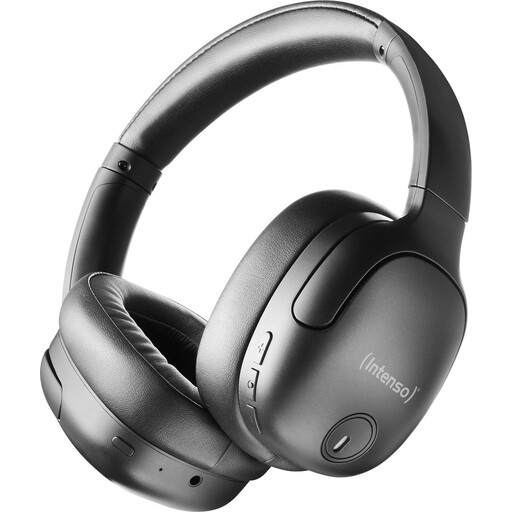
An option to compare if you want to take background noise into account while studying; assess soft dialogue reproduction separately.
The product name lists wireless use and noise cancellation.
 No image available
An over-ear option to compare if you’d also like a wired connection for studying; check that the connection is compatible with your device.
Start by checking speech reproduction on the exact model, and try a familiar quiet passage at a comfortable volume. The Consumentenbond assesses speech clips separately; a general noise-cancelling or music specification won’t answer this question.
Don’t keep turning up the volume without limit to hear a passage. The World Health Organization recommends keeping the volume low, using well-fitting headphones and taking listening breaks. The stated 80 dB for up to 40 hours a week is an example of an exposure level, not a listening setting that suits everyone.
Check that the exact model connects to your playback device and compare battery life using the same noise-cancelling setting. Follow the model’s instructions for cleaning and care.
In the Netherlands, qualifying online consumer purchases generally come with a 14-day cooling-off period; according to the Dutch government, an online purchase from a private individual isn’t covered by the same distance-selling rules. Your right to a product that meets the required standards is separate from any manufacturer’s warranty. Contact the seller if there’s a fault.
CE marking is compulsory for radio equipment covered by the applicable EU rules. The Dutch Authority for Digital Infrastructure and the Radio Equipment Directive 2014/53/EU set out this requirement; check the marking and conformity of the specific product.