
Vandaag of morgen in huis

Kwaliteit gegarandeerd

Welkomstaanbiedingen ontgrendelen: GRATIS bezorging | Tot 80% korting | Gratis 30 dagen JoyPlus-proefperiode
Download de app
A pair of wireless headphones can seem instantly appealing on paper: Bluetooth, long battery life, noise cancellation and a low price. However, these terms can also cause confusion. A model that is suitable for commuting may not be comfortable when running. And a high IP rating does not automatically mean you can use it for swimming.
The Joybuy Product Recommendation Officer filters the most important product information down to practical points. This helps you compare Bluetooth headphones or wireless earbuds based on features that make a real difference in everyday use.
Manufacturers may quote the playback time of the earbuds, the charging case or both together. For the JBL Wave Buds 2, for example, the figure is up to 40 hours with the case and active noise cancellation switched off. According to the product specifications, the earbuds themselves provide up to 8 hours of music playback.
Always check:
Headphones with long battery life are particularly useful when the stated figure matches the way you intend to use them.
An IP54 or IPX5 rating is not a licence to submerge the product. IP54 indicates, among other things, protection against dust and splashing water, while IPX5 indicates protection against water jets. Swimming requires a different level of protection and often built-in MP3 storage, as Bluetooth works only to a limited extent underwater.
For sports earbuds, look out for:
Active noise cancellation, or ANC, uses microphones and electronics to reduce surrounding noise. Its effectiveness depends on the fit, the type of sound and the settings. According to JBL’s product information, the Wave Buds 2 feature Active Noise Cancelling and Smart Ambient. This means you can switch between reducing surrounding noise and staying more aware of your surroundings; it does not guarantee that every sound will disappear.
For cycling, running and traffic, open-ear headphones or bone-conduction headphones may be more practical than a closed in-ear model. You retain greater awareness of your surroundings, but may sacrifice some sound isolation.
Over-ear headphones cover the ear and generally offer a stable fit for train journeys, working from home and gaming. Consider the weight, the pressure from the headband and the ventilation provided by the ear cushions.
In-ear earbuds are compact and fit easily into a coat pocket. The right fit is important for comfort and sound quality. A charging case is convenient, but check how often it needs to be recharged.
Open-ear headphones or a bone-conduction model leave the ear canal open. The Verbex K08 product description mentions an ear hook, Bluetooth, multipoint connectivity and a range of 10 metres or more. This makes the fit suitable for movement, but always check whether the design suits your ears.
Bluetooth 5.2, 5.3, 5.4 or 6.0 says something not only about the product, but also about compatibility with your phone, laptop or tablet. A newer version will usually work with older devices, but features such as multipoint, low latency or certain codecs depend on both devices.
For calls and gaming, these points are particularly relevant:
A model with physical buttons may be more practical on the go than touch controls. According to the product listing, the GT887 headphones have independent buttons on the earcups and a scroll wheel for the volume. This allows you to control the headphones directly without reaching for your phone.
For headphones used while running, a secure ear hook, low weight and a sweat-resistant housing are more important than simply having a large driver size. For long train journeys, a soft over-ear design with ANC may be preferable.
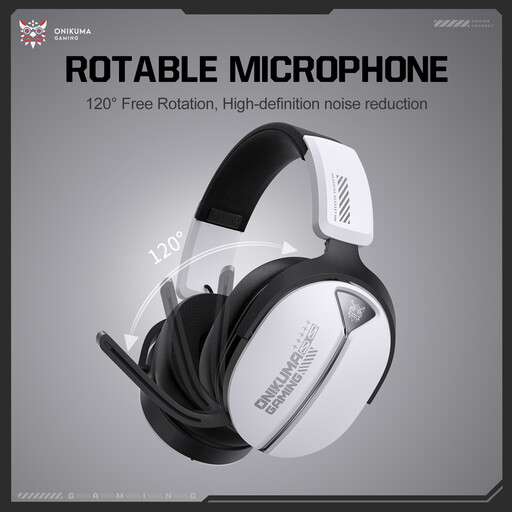
Why it suits this profile: This model is designed for straightforward everyday use, with physical controls and a volume scroll wheel.
The product information states a frequency range of 20 Hz to 20 kHz and clearly describes the controls, without making a specific ANC or water-resistance claim.
Wireless design, physical buttons and direct volume control via the scroll wheel.

Why it suits this profile: Ideal for users who value adjustable sound, ANC and integration with Galaxy devices.
The specifications list 6 hours of playback with ANC and 7 hours without ANC separately. IP57 is specified for splashing water and dust, not swimming.
Two-way speaker system, adjustable 9-band equaliser, Bluetooth 6.1 and wireless charging.
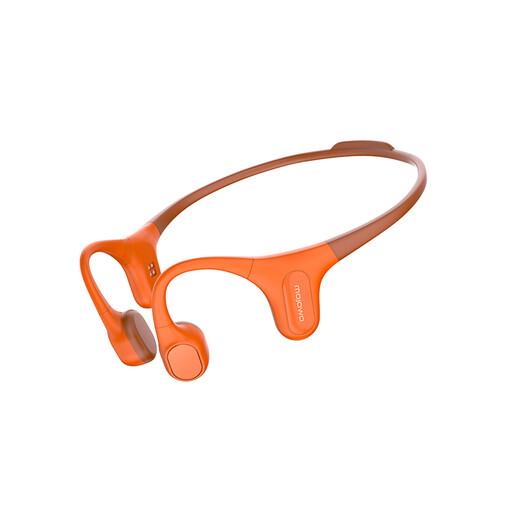
Why it suits this profile: Designed for running, cycling, swimming and training where an open-ear solution is preferred.
According to the product information, this model has IP68 and 32 GB of internal storage. For swimming, built-in MP3 storage may be more practical than Bluetooth alone. Rinse the product after use and dry it before charging.
Open-ear bone-conduction design, IP68 according to the product listing and 32 GB of built-in storage.
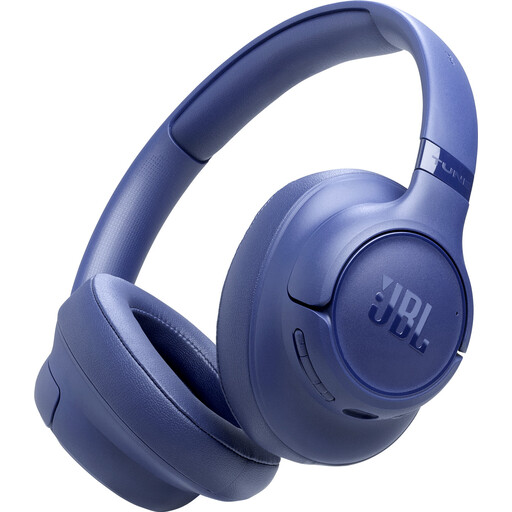
Why it suits this profile: The over-ear design and stated long playback time make it well suited to travelling, working from home and listening to music every day.
The product specifications state up to 76 hours of music playback and a 5-minute fast-charge function for up to 5 hours of additional playback. Check the current compatibility of Bluetooth features with your device.
40 mm dynamic drivers, foldable design, multipoint connectivity and two microphones per earcup according to the product information.
We have put together a complete, up-to-date list of products that fully meet these strict selection criteria and the applicable European safety regulations.
First charge the headphones, open the Bluetooth settings on your phone and select the product name. Some models support Google Fast Pair or Microsoft Swift Pair. If the device does not appear, put the headphones back into pairing mode and check that they are not already connected to another device.
Battery life depends on battery capacity, volume, ANC and charging habits. A model may function for years technically, while its battery gradually lasts for less time. Store the headphones in a dry place, avoid extreme heat and use a suitable USB-C charger. Also follow the manufacturer’s safety instructions.
That depends on the fit and IP rating. Sports earbuds with an ear hook often stay in place more securely. For traffic and cycling, open-ear headphones or a bone-conduction model can help you remain aware of surrounding sounds. Do not listen to music at high volume, and check in advance whether the product is only splash-resistant or is also designed for more intensive water use.
